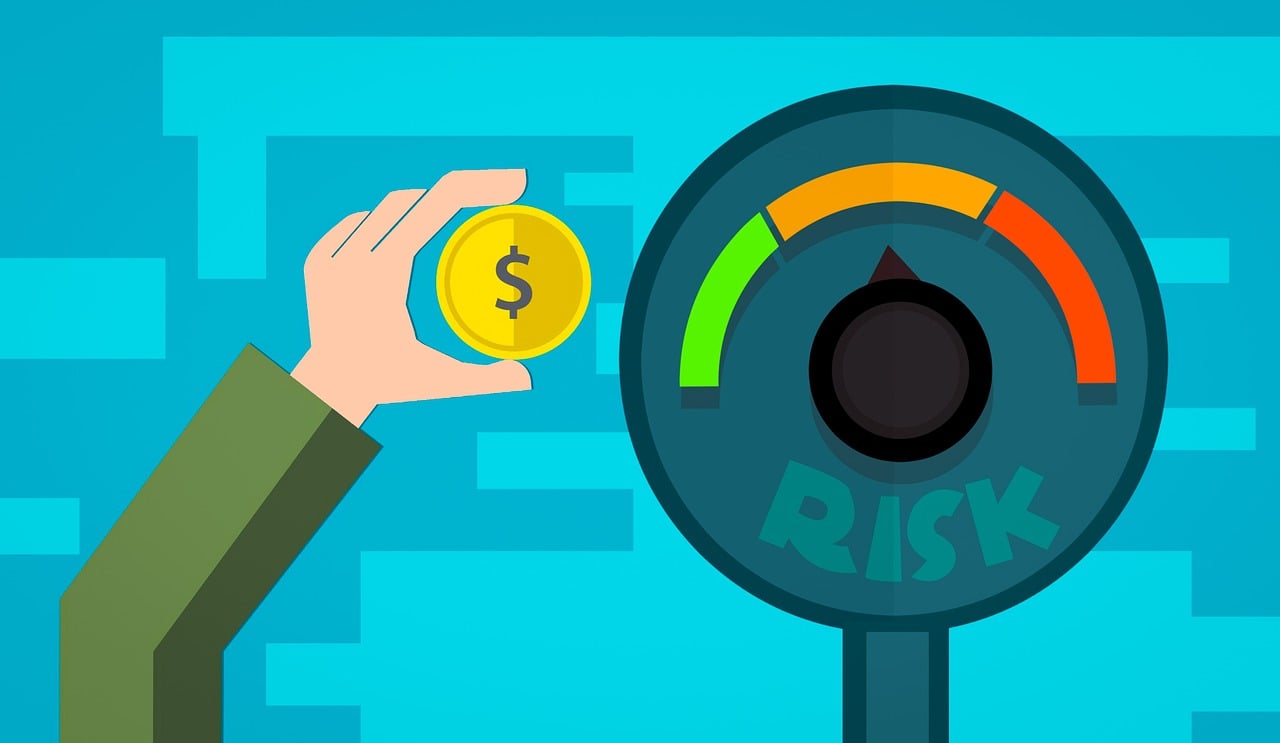

The Importance of Risk Assessment in Investment Decisions
Risk assessment is a critical element in making informed investment decisions. Without a thorough analysis of potential risks, investors might face significant losses. Risk assessment allows investors to identify various types of risks, including market, credit, operational, and legal risks. By understanding these risks, investors can develop strategies to mitigate them effectively. A risk assessment process usually involves qualitative and quantitative analysis to evaluate the likelihood of adverse events. As investors gather data, they can formulate risk profiles that guide their investment choices. Moreover, risk assessment encourages diversification, as spreading investments across different asset classes can reduce exposure to specific risks. Furthermore, effective risk assessment leads to more resilient investment portfolios. Investors must regularly update their risk assessments to account for changing market conditions and emerging risks. Implementing a robust risk management framework enables investors not only to protect their capital but also to position themselves strategically for future opportunities. In this dynamic environment, staying informed and vigilant about risks can significantly enhance an investor’s ability to achieve long-term financial success. Therefore, risk assessment can’t be overlooked in any serious investment strategy.
Investors should employ various tools and techniques to enhance their risk assessment efforts. For example, scenario analysis is a valuable method for understanding how different factors could impact investments. Additionally, stress testing enables investors to evaluate extreme market conditions and their potential effects on their portfolios. Tools like Value at Risk (VaR) provide a statistical measure of the potential loss, offering insights into the risk involved in investment opportunities. By utilizing these strategies, investors can gain deeper insights into their risk exposures. Risk assessment should also integrate external factors such as regulatory changes and geopolitical events that may impact market dynamics. Furthermore, creating a checklist of key risk indicators can help investors maintain a proactive approach. Understanding the connection between risk and reward is essential in maximizing investment returns. Investors must weigh potential risks against expected gains to ensure that their investment decisions align with their risk tolerance. Moreover, clear communication of risk factors to stakeholders builds trust and transparency. In conclusion, adopting a comprehensive risk assessment approach is fundamental to driving informed investment decisions and ultimately realizing the desired investment objectives. Awareness of risks can lead to better portfolio management.
Types of Risks in Investment
Every investor encounters various types of risks throughout their investment journey. Market risk, which involves fluctuations in asset prices due to economic factors, is perhaps the most prominent. Additionally, credit risk arises when a borrower fails to meet their obligations, leading to defaults on loans or bonds. Operational risk stems from internal processes, human error, or technical failures that can disrupt business operations. Liquidity risk refers to the potential inability to buy or sell assets without affecting their prices significantly. Moreover, foreign exchange risk affects investors engaging in international deals, as currency values may fluctuate unpredictably. Legal and regulatory risks arise from compliance failures or changes in law, impacting investment viability. Investors should familiarize themselves with these risks to develop strategies to mitigate them effectively. Conducting a thorough risk assessment helps investors identify which risks are most relevant to their specific situations. Such insights enable investors to prioritize their focus on certain risk aspects while creating a balanced approach. Empowering themselves with knowledge of risk types also fosters better decision-making and enhances the potential for achieving desired financial outcomes.
A key element of successfully navigating investment risk is establishing a robust risk management strategy. A well-defined risk management plan outlines the processes and protocols for identifying, assessing, and mitigating risks. This plan should include regular monitoring of risk factors and a response framework to handle any identified risks. Integrating risk management into the investment decision-making process ensures that potential risks are considered at every stage. Creating a diversified portfolio is one practical strategy for managing investment risk. By spreading investments across varying asset classes, sectors, and geographical regions, investors can is limit the impact of any single adverse event. Furthermore, utilizing stop-loss orders can help investors minimize potential losses during market downturns. Another crucial strategy involves continuously reviewing and adjusting risk management strategies in response to market changes or new challenges. Stakeholders should foster a culture of risk awareness, where all team members understand the importance of risk assessment. Engaging with financial advisors and subject matter experts can provide additional perspectives and insights. Ultimately, a proactive approach to risk management not only protects investments but also opens doors to new opportunities in the financial landscape.
The Role of Technology in Risk Assessment
In today’s digital world, technology plays a transformative role in enhancing risk assessment in investment decisions. Advanced analytics and data visualization tools empower investors to analyze vast amounts of data effectively. Utilizing algorithms and artificial intelligence enables intuitive risk assessment, providing deeper insights into market trends and investor behaviors. Machine learning models can predict potential risks based on historical data, allowing for more informed decision-making. Furthermore, fintech platforms offer tools to automate risk assessments, significantly improving efficiency and accuracy. Real-time data access means investors can respond swiftly to emerging risks and market fluctuations. Implementing technologies like blockchain can enhance transparency and reduce risks associated with transactions. Additionally, big data enables investors to understand better the macroeconomic factors affecting their investments. Using digital risk management solutions streamlines communication and collaboration among teams while also ensuring that everyone remains aligned with the risk management strategy. As technology evolves, investors must remain adaptable and leverage these tools to refine their risk assessment processes. Ultimately, integrating technology into risk management strategies can lead to improved outcomes and a more robust approach to financial decision-making.
A key to long-term investment success lies in the continuous evolution of risk assessment practices. The investment landscape is constantly changing, with new risks emerging alongside advancements in technology and market dynamics. Investors must stay informed about trends in risk management to adapt their approaches accordingly. Keeping abreast of emerging risks, such as cybersecurity threats or changing regulatory landscapes, is vital. Continuing education and professional development are essential for investors who wish to excel in today’s dynamic environment. Forming alliances with other investors, analysts, and risk management professionals can lead to valuable insights and learning opportunities. Additionally, proactively seeking feedback on risk management strategies can uncover areas for improvement. Through collaboration and knowledge-sharing, investors can develop best practices that enhance their risk assessment processes. Participating in seminars, workshops, and industry conferences provides further education on innovative risk assessment methodologies. Ultimately, embracing a culture of continuous improvement ensures that risk management remains a cornerstone of successful investment decision-making. As investors evolve their practices, they will be better positioned to achieve their long-term financial goals while navigating risks effectively.
Conclusion
Understanding the importance of risk assessment in investment decisions cannot be overstated. From identifying different types of risks to implementing robust management strategies, risk assessment is integral to successful investing. Investors must use technology and continuous learning to refine their assessment processes continually. By fostering a proactive risk management approach, investors can safeguard their capital and capitalize on emerging opportunities. Engaging with experts can enhance understanding and provide new perspectives on risk. Moreover, establishing a strong risk culture within investment firms and teams ensures that everyone values risk assessment in their roles. This collective awareness leads to improved outcomes and better portfolio performance. In summary, risk assessment is not just a protective measure; it is a driving force behind informed investment decisions. Through effective risk assessment, investors can navigate the complexities of the financial landscape confidently. Ensuring that risk management is a fundamental part of the investment strategy will create pathways for sustainable growth and success. Therefore, integrating rigorous risk assessment practices into investment frameworks is essential for investors looking to thrive in today’s ever-changing markets.
In conclusion, risk assessment is vital for safeguarding investments and maximizing potential returns. Investors who prioritize risk assessment will benefit from reduced volatility and improved decision-making. The importance of risk assessment in investment decisions cannot be overemphasized, as it forms the backbone of effective investment strategies. Adopting a proactive approach to risk management ensures that investors are prepared for unexpected challenges, enhancing their overall confidence in the market. As financial environments evolve and new risks emerge, ongoing education and adaptation to fresh trends remain paramount. Exploring technological advancements will further enhance risk assessment processes, leading to smarter investment choices. Investors must stay resilient and agile, consistently updating their risk management practices to meet shifting market dynamics. Building strong relationships with advisors and risk management professionals can also deepen their understanding of various investment risks. Ultimately, the effectiveness of an investment strategy hinges on a robust risk assessment framework that weighs risks against rewards. An education-based view toward risk will ultimately create more competitive investors, capable of navigating tumultuous financial landscapes with resilience.