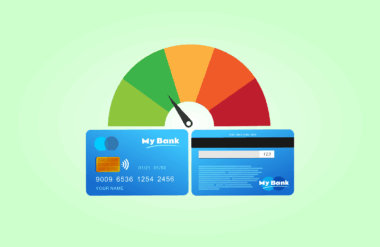

Understanding the Impact of Credit Score Fluctuations on Interest Rates
Credit scores play an essential role in determining interest rates on loans and credit products. A credit score is essentially a numerical representation of a borrower’s creditworthiness. Fluctuations in your credit score can have a direct and significant impact on the interest rates you receive. Lenders assess your credit score to evaluate the risk involved in lending you money. Higher scores generally lead to lower interest rates, while lower scores can result in higher rates. Maintaining a good credit score is crucial for financial health, as it affects not just interest rates but also loan approvals and terms. Furthermore, significant fluctuations in your credit score can occur due to factors like late payments, high credit card balances, or newly opened accounts. Therefore, it is vital to monitor your credit report regularly to understand these changes and their implications. Various resources and tools are available for tracking your score, such as online apps, credit alert services, and annual credit report checks. Taking charge of your credit health can ultimately save you money in the long run.
Factors Influencing Credit Score Fluctuations
Several factors can influence your credit score and consequently affect the interest rates offered to you. Payment history accounts for a significant portion of your credit score—making timely payments is critical. If you miss payments, this can lead to a drastic score drop. Credit utilization, which is the amount of credit you’re using compared to your total available credit, also plays a role. Keeping this ratio low helps maintain a healthy score. Additionally, the average age of your credit accounts factors into your credit score; newer accounts can negatively impact your score during initial evaluation periods. Opening multiple credit accounts within a short time can also result in score fluctuations as it indicates increased risk to lenders. Furthermore, hard inquiries, which occur when lenders check your credit when you apply for credit, will temporarily lower your score. Other lesser-known factors include credit mix and total debt levels, which both contribute to your overall financial profile. Being aware of these elements can help you take timely actions to stabilize or improve your score.
Interest rates are not solely dependent on credit scores. They are also influenced by broader economic factors, such as inflation rates and the Federal Reserve’s monetary policy. When the economy faces inflation or higher unemployment rates, lenders may adjust interest rates accordingly. During inflationary periods, lenders tend to increase interest rates to compensate for decreased purchasing power. Conversely, when economic health improves, interest rates generally decrease. It’s essential to be aware that a borrower’s credit score isn’t the only determining factor in interest rates. The loan type, loan term, and amount also play significant roles. For example, personal loans may have different rates compared to mortgages, regardless of credit score. Additionally, secured loans often offer lower rates due to reduced risk for lenders. Understanding these nuances helps borrowers make informed decisions regarding different loan products. By expressing intent to understand the overall lending landscape, you can negotiate more effectively with lenders. Whether it’s refinancing an existing loan or applying for a new one, knowing your position enhances your negotiation power.
The Importance of Regular Credit Monitoring
Regularly monitoring your credit report is crucial to maintaining a healthy credit score. Familiarizing yourself with your credit report ensures you are aware of any errors that may lower your score. There are several services available to elect for periodic credit checks, many of which provide notifications for significant changes. These alerts enable you to take immediate action if there are signs of fraud or identity theft. Furthermore, understanding your credit report helps you identify areas needing improvement, such as excessive utilization rates or late payments. Websites like AnnualCreditReport.com allow you to request free reports from major credit bureaus once a year. Taking advantage of this can illuminate factors affecting your score. If discrepancies or inaccuracies exist, you have the right to dispute them directly with the credit bureaus. This process, while somewhat tedious, can result in significant improvements in your score. Awareness can also guide your financial decisions, helping you avoid actions that could cause score fluctuations that lead to unfavorable interest rates.
Borrowers should also consider strategies for mitigating negative factors affecting their credit scores. For instance, paying off outstanding debts can have a swift positive impact on your score, thus improving your interest rate offers. Moreover, maintaining a consistent payment schedule prevents late payment penalties that can cause drops in credit scores. Another approach is keeping old accounts active, as closing them could decrease the overall age of your credit history, leading to a higher risk perception by lenders. It is also advisable to maintain a low credit utilization ratio, ideally below 30%. This indicates to lenders that you manage credit responsibly without maxing out your available limits. If seeking new credit, it is recommended to space out applications over time to avoid multiple inquiries that could adversely affect your score. Payment plans or debt consolidation can also be beneficial for managing outstanding debts more effectively. Ultimately, adopting a proactive approach regarding credit management can help stabilize your score and improve the interest rates available to you.
How to Improve Your Credit Score
Improving your credit score is achievable through consistent efforts and the right strategies. Begin by ensuring timely payments for all your bills, as this factor significantly influences your score. If you struggle to remember due dates, consider setting up automatic payments or reminders through financial apps or calendars. It is also important to manage your credit utilization effectively; use only a small fraction of your credit limit to maintain a healthy ratio. Furthermore, consider limiting the number of new credit accounts you open within a short period. Opening multiple accounts can signify risk to lenders and negatively impact your score. Additionally, diversifying your credit mix can boost your score, as lenders favor borrowers with different types of credit, such as installment loans and credit cards. Regular reviews of your credit report can help you identify areas needing improvement and any potential errors that could be contested. By taking these steps, you can create a stable financial profile that allows you to qualify for loans with better interest rates.
To summarize the impact of credit score fluctuations on interest rates, it’s clear that maintaining a healthy score is vital for financial security. Several factors, including payment history and credit utilization, can cause your score to fluctuate, directly affecting interest rates. Borrowers must understand that while their credit score is crucial, external economic factors also influence interest rates. Regular monitoring of credit reports and ensuring timely payments are necessary steps for maintaining a good score. Moreover, adopting effective credit management strategies can prevent or mitigate negative impacts on your score and improve your overall financial health. As you work towards improving your credit profile, remember that patience and consistency are key. Credit scores do not improve overnight, but consistent positive financial behaviors will pay off over time. Ultimately, the goal should be to achieve a score that allows access to favorable loan terms and interest rates. By prioritizing your credit health, you work toward securing better financial opportunities and achieving your financial goals.
In closing, understanding the intricate relationship between credit scores and interest rates is essential for leveraging financial opportunities. By recognizing the factors that affect your credit score and the resultant interest rates, you can make better financial decisions. Whether it’s applying for a mortgage, car loan, or even a credit card, your credit score matters. Regularly monitoring your credit report and actively seeking improvements will lead to long-term benefits. Keep in mind that every financial choice has consequences, and being proactive is the best defense against unfavorable interest rates. From making informed credit decisions to adopting effective management strategies, knowledge is your most powerful tool. Focus on maintaining a strong credit profile that reflects responsible financial behavior. Given today’s dynamic economic climate, being equipped with financial literacy can substantially enhance your negotiating power when dealing with lenders. Remember, even slight improvements in your credit score can translate to significant savings over the duration of a loan. Thus, prioritize making adjustments now for a more stable financial future.