
Using Data Analytics to Optimize Digital Marketing Efforts
In today’s fast-paced digital landscape, businesses must leverage data analytics to drive their digital marketing strategies effectively. Data analytics enables companies to gather, analyze, and interpret vast amounts of information generated through various digital touchpoints. By utilizing these insights, brands can craft targeted marketing techniques that resonate with their audiences, thereby enhancing customer engagement. The integration of data-driven decisions improves campaign efficiency and optimizes return on investment (ROI). Additionally, businesses can identify emerging trends and consumer behavior patterns, allowing for timely adjustments to marketing tactics. Companies relying solely on traditional marketing methods risk falling behind more agile competitors who utilize fact-based strategies. In this dynamic environment, the ability to adapt quickly is crucial for success. Therefore, firms should invest in robust analytics platforms that provide real-time insights and actionable recommendations. These invaluable tools help marketers create personalized experiences that cater to individual preferences and needs. As customers become increasingly discerning, personalized marketing becomes a differentiating factor for thriving brands. Ultimately, leveraging data analytics is essential for business growth and achieving lasting competitive advantages in the digital realm.
One of the most significant benefits of data analytics in digital marketing is its ability to facilitate audience segmentation. By analyzing demographic data, behavior patterns, and psychographics, businesses can tailor their strategies to specific audience segments. This level of personalization fosters stronger customer relationships and increases engagement rates. For instance, targeted email campaigns can yield higher open and click-through rates when tailored to distinct customer segments rather than adopting a one-size-fits-all approach. Moreover, data analytics enables marketers to track customer journeys across multiple channels, offering valuable insights into touchpoints that influence purchasing decisions. By understanding these pathways, brands can enhance their customer experience further, ensuring that prospects receive relevant information at crucial moments. Additionally, A/B testing powered by analytics empowers businesses to make informed decisions regarding content, design, and messaging. The data from these tests allows marketers to refine their campaigns and allocate budgets more effectively. It helps them identify the most influential factors that drive conversions. In such a highly competitive market, utilizing data analytics becomes crucial for optimizing marketing performance and ensuring every marketing effort is as successful as possible.
Enhancing ROI Through Predictive Analytics
Another critical aspect of using data analytics in digital marketing is the integration of predictive analytics, which can help businesses forecast future trends and customer behaviors. Predictive analytics uses historical data to make predictions about future outcomes, enhancing strategic marketing efforts. By leveraging these insights, companies can allocate resources more efficiently and invest in campaigns likely to yield high returns. Predictive models can analyze various datasets, including purchasing history, social media interactions, and online behaviors. This analysis allows businesses to identify customer needs ahead of time, enabling them to develop products or services that meet evolving market demands. Operationalizing this type of analytics can drive profitability significantly, as brands become more proactive rather than reactive. For example, if data indicates a potential increase in demand for a product, companies can adjust their marketing strategies and inventory accordingly. Accurate predictions can minimize wasted ad spend and ensure efforts are concentrated on high-impact opportunities. Implementing predictive analytics not only enhances marketing effectiveness but also fosters a culture of data-driven decision-making within organizations, ultimately leading to sustained growth.
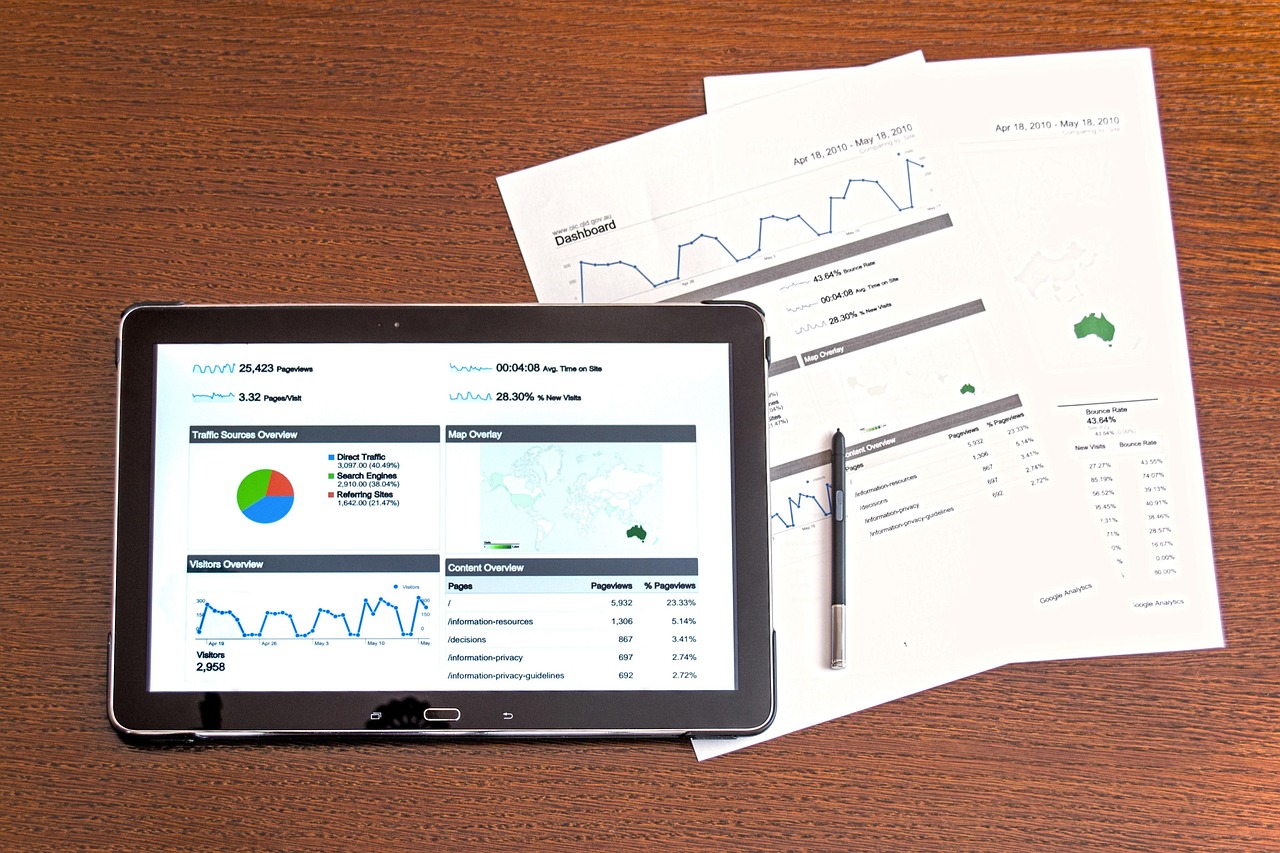
Another crucial component of data analytics in optimizing digital marketing efforts is the utilization of key performance indicators (KPIs). KPIs serve as measurable values that indicate how effectively a company is achieving its business objectives. By monitoring these indicators, businesses can assess the success of their marketing strategies and identify areas needing improvement. Common marketing KPIs include conversion rates, website traffic, bounce rates, and customer acquisition costs. Understanding these metrics enables marketers to assess the performance of their campaigns effectively. For instance, if a specific campaign shows a low conversion rate, it may indicate a need for strategic adjustments, such as revising messaging or targeting. Furthermore, combining qualitative and quantitative data provides a comprehensive view of customer sentiment, leading to informed marketing actions. Social media listening tools allow businesses to gather insights into customer opinions and trends, enhancing their content strategies. Data analytics empowers marketers to not only track performance but also derive actionable insights that propel campaign success. By regularly reviewing KPIs, companies can remain agile, adjusting their strategies based on real-time feedback and optimizing marketing efforts continuously.
The Role of Real-Time Analytics
Real-time analytics plays a significant role in the optimization of digital marketing strategies. With the rapid pace of change in consumer behavior and preferences, it’s vital for marketers to have immediate access to data that reflects current performance. Real-time analytics allows businesses to monitor user interactions and engagement as they happen, providing invaluable insights into what resonates with their audience. This immediacy enables companies to react swiftly to market trends, testing and refining strategies on the fly. For instance, if a specific ad type gains traction among users, marketers can increase their budgets and focus on optimizing that particular ad format. Likewise, real-time data can signal when a campaign is underperforming, allowing for quick adjustments to rectify the situation. Incorporating real-time analytics helps businesses stay competitive in an ever-changing digital landscape, as they can pivot quickly based on data instead of relying on historical trends alone. Moreover, this approach can enhance customer satisfaction, as brands can provide timely, relevant content that meets immediate needs, reinforcing positive relationships with their audience and boosting brand loyalty.
Social media platforms also benefit immensely from data analytics, as they provide marketers with valuable insights into audience behavior. Understanding what content performs best helps brands refine their social strategies for improved engagement rates. By utilizing analytics tools, marketers can learn which posts attract the most likes, shares, and comments, aiding in the crafting of targeted social media campaigns. Furthermore, social media analytics can inform influencers’ selection, enabling brands to partner with those whose audiences align with their target demographics. The integration of data-driven strategies in social media marketing can enhance the reach and impact of campaigns, as brands can tailor content specifically for audience preferences. Regularly analyzing social performance also facilitates real-time feedback loops, allowing marketers to adjust their strategies as needed. Engaging with followers based on insights gained through analytics promotes a responsive brand image. By leveraging these insights effectively, companies can ensure their social media marketing is both relevant and impactful, ultimately bolstering brand visibility and driving customer engagement. This emphasis on data analytics in social media reflects a broader trend towards personalized marketing experiences that resonate with today’s consumers.
Conclusion
In summary, data analytics is an indispensable tool for optimizing digital marketing strategies. As businesses strive to enhance their competitiveness in an increasingly digital world, the ability to collect and analyze data gives them a distinct advantage. From audience segmentation to predictive analytics, the various aspects of leveraging data can significantly impact marketing efforts. Businesses that embrace a data-driven approach not only improve their ROI but also enhance customer experiences and build lasting relationships. The dynamic nature of the digital landscape requires marketers to adopt real-time strategies, responding quickly to changing consumer behaviors. Furthermore, effective use of social media analytics allows companies to hone their messaging and engage with audiences more meaningfully. By continually monitoring KPIs, employing real-time insights, and staying flexible in their marketing strategies, businesses can navigate the complexities of the digital marketplace. In a world where data reigns supreme, adopting a data-centric mindset will be key to future success. Ultimately, the strategic implementation of data analytics provides a roadmap for businesses seeking to thrive in the crowded digital space and leverage innovative techniques to reach and convert their target audiences.
In conclusion, the integration of data analytics into digital marketing strategies profoundly transforms marketing effectiveness. Companies globally are starting to recognize the immense power data holds as they aim to connect with their target demographics more personally. By harnessing data analytics, businesses can tailor their marketing efforts to meet the unique demands and preferences of distinct audience segments. This tailored approach not only elevates customer satisfaction but also significantly increases conversion rates. Marketers now possess advanced tools to analyze vast datasets, creating strategies grounded in real, actionable insights. As the marketing landscape continues to evolve, brands that prioritize data-driven decision-making are setting themselves apart from those that ignore these valuable resources. Moreover, the future of marketing lies in the seamless integration of technology and customer data. This marriage will allow for even more precise targeting and personalization in messaging. By committing to a data analytics approach, companies are not just enhancing their marketing strategies but also nurturing customer loyalty and satisfaction. As we look forward to the future, it’s evident that leveraging data analytics will be crucial for shaping successful digital marketing landscapes.