
Analyzing Forex Market Trends Using Technical Analysis
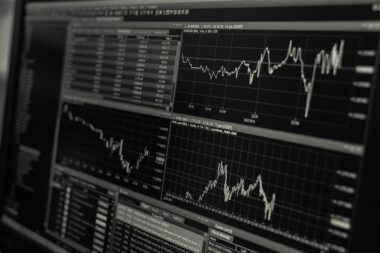
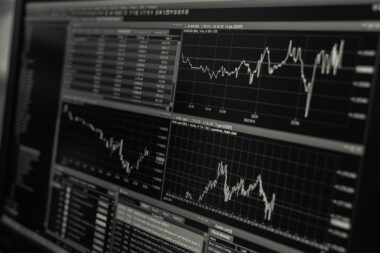
The Forex market is an extensive network that allows currencies to be traded globally. Understanding its intricacies requires delving into various analytical methods, especially technical analysis. This method focuses on utilizing price charts and indicators to summarize the market’s behavior and predict trends. Traders quickly adapt to market changes by studying historical price patterns and trading volume. Technical analysis relies on the assumption that price movements exhibit repetitive patterns driven by market psychology and fundamental economic factors. Essential tools include trend lines, support, and resistance levels, which help traders make informed decisions. Additionally, trading platforms provide various chart types that cater to different trading strategies. Regularly analyzing these tools enables traders to spot potential opportunities and determine optimal entry and exit points. Thus, by effectively employing technical analysis, traders can significantly enhance their trading results and profitability in the Forex market. Conducting thorough analyses not only enables traders to make better-informed trades but also helps manage risks associated with currency fluctuations. A systematic approach can yield considerable long-term gains in currency trading.
One of the fundamental components of technical analysis in Forex is understanding various chart patterns. These patterns emerge as a result of market dynamics and signify potential future price movements. Recognizing these patterns, such as head and shoulders, flags, and triangles, can provide traders with insight into market sentiment and direction. Head and shoulders patterns typically indicate reversals, whereas flags and triangles may signal continuation trends. Each of these patterns carries different implications depending on where they appear in the chart. Moreover, utilizing different time frames for chart analysis allows traders to gain a comprehensive perspective on trends and reversals. Day traders might focus on minute-by-minute charts, while swing traders may analyze daily or weekly charts. Employing multiple time frame analysis can further enhance accuracy in predictions. Beyond just chart patterns, key technical indicators, such as the Moving Average and Relative Strength Index (RSI), offer additional layers of analysis. These indicators provide insights into momentum, trend strength, and potential overbought or oversold market conditions. Properly integrating this information into trading strategies can result in improved decision-making and a higher success rate in performance.
Indicators in Technical Analysis
Indicators play a pivotal role in technical analysis and can greatly assist traders in making informed decisions. Among the most commonly used indicators are moving averages, Bollinger Bands, and MACD (Moving Average Convergence Divergence). Moving averages help identify the overall trend by smoothing out price data, providing a clear indication of direction. It can demonstrate bullish or bearish trends and is used to identify potential support and resistance levels. Bollinger Bands, comprising a simple moving average with two standard deviation lines, help gauge market volatility. They can signal price extremes, indicating potential entry and exit points. The MACD indicator, a trend-following momentum indicator, highlights relationships between two moving averages of a security’s price. These indicators can also signal potential buy or sell opportunities when the lines cross. Moreover, the application of multiple indicators in conjunction with chart patterns can provide a more robust analysis. Utilizing a combination of indicators allows traders to increase their chances of successful trades and improve risk management strategies effectively. Understanding these indicators is vital for developing solid trading strategies that yield profitable outcomes over time in the Foreign Exchange market.
Another critical aspect of Forex trading is establishing a risk management strategy that works hand in hand with technical analysis. Traders should never enter a position without understanding their risk exposure. Risk management techniques, such as setting stop-loss and take-profit orders, can safeguard investments against significant downturns. By determining how much capital one is willing to risk on a trade, traders can set precise parameters that align with their trading strategies and market conditions. Consequently, technical analysis can also provide insights into setting these levels effectively based on market structure. For instance, placing stop-loss orders just below key support levels can reduce potential losses while maintaining the potential for profit. Moreover, it is crucial to assess the risk-to-reward ratio for each trade. A ratio of 1:2 or better should be considered for a favorable trading environment; thus, adequate planning is indispensable. Incorporating sound risk management principles allows traders to remain resilient amidst volatile market conditions, minimizing emotional reactions and enhancing long-term profitability. Overall, integrating risk management and technical analysis creates a well-rounded and sustainable approach to Forex trading.
The Role of News Events
In the Forex market, technical analysis must coexist with an awareness of fundamental factors, including news events and economic indicators. Financial reports, central bank announcements, and political events have the potential to cause sudden market volatility. Traders utilizing technical analysis should always remain updated on upcoming economic news releases that may affect currency pairs they are trading. These strategies incorporate fundamental data analysis into technical frameworks to provide a fuller picture of market conditions. By understanding the potential implications of significant reports, traders can better prepare for short-term price movements triggered by these events. Furthermore, it is advisable to track economic calendars, which indicate dates and times for important announcements and reports. Sophisticated traders continuously monitor high-impact news events and analyze how past announcements influenced price movement patterns. Although technical analysis focuses primarily on historical price action, it is essential not to disregard prevailing economic contexts. A proper blend of technical analysis with awareness of current news can heighten the effectiveness of trading decisions and help mitigate risks. Ultimately, incorporating both elements strengthens the trader’s toolkit for navigating the complexities of the Forex market.
Traders can also benefit significantly from backtesting their strategies using historical data, which is essential for validating technical analysis methods. Backtesting compares a trading strategy’s performance against historical market data to assess its efficacy. By analyzing how well a strategy would have performed under previous market conditions, traders can identify strengths and weaknesses within their approaches. This process helps refine trading strategies, ensuring that traders employ methods with a higher probability of success. Additionally, backtesting allows traders to identify optimal parameters for various technical indicators, further tailoring their strategies to align with their trading styles. Trading platforms often provide built-in tools for backtesting, making it accessible for traders to analyze their methods efficiently. Furthermore, reviewing past trades can help track emotional responses to different market scenarios, enhancing psychological preparedness. By learning from both successful and unsuccessful trades, traders can build a more resilient mindset. By incorporating backtesting into the technical analysis process, traders can minimize errors while maximizing their confidence in the adoption of specific strategies. The relentless pursuit of continuous improvement can lead to measurable success in competitive Forex markets.
Emotional Discipline in Forex Trading
A vital component of successful trading in Forex involves maintaining emotional discipline, particularly when utilizing technical analysis. The emotional swings that traders experience can negatively impact decision-making capabilities. Even with effective technical strategies, a trader’s emotions can undermine their ability to execute trades consistently. Consequently, cultivating emotional discipline is crucial for adhering to well-defined strategies derived from technical analysis. Strategies such as developing a solid trading plan and following it rigorously are fundamental steps towards emotional regulation. Furthermore, journaling trading experiences can help traders reflect on successes and missteps, fostering learning through experience. Keeping a record of emotions felt during trades can also illuminate patterns that may be detrimental to performance. Regularly revisiting goals and maintaining adherence to trading plans can help in combating emotional reactions, especially following losses. Mindfulness techniques and stress-reduction practices can be empowering tools for maintaining emotional focus. Ultimately, achieving success in the Forex market is not solely rooted in technical skills; emotional discipline can significantly enhance a trader’s overall performance. A harmonious balance between technical analysis and emotional regulation ensures a more structured trading approach for lasting success.
In conclusion, adopting a comprehensive approach that embraces both technical analysis and emotional discipline can lead to significant advantages in the Forex market. The complex world of currency trading demands that traders employ various strategies as well as maintain a balanced mindset. By mastering chart patterns, indicators, and risk management techniques, traders can better navigate market fluctuations. A robust trading plan, coupled with the discipline to follow it, ultimately increases the chances of success. Recognizing how external factors, such as news events, impact trading strategies can further enhance the decision-making process. Additionally, regular analysis, backtesting of strategies, and ongoing education proves invaluable for growth. As Forex markets continue to evolve, traders must remain adaptable and open to learning. The willingness to embrace change, along with a commitment to continuous improvement, can yield measurable success for traders in this dynamic environment. By combining technical analysis insights and disciplined trading practices, traders can build a well-rounded toolkit to tackle the challenges of the Forex market effectively. This dual approach lays the groundwork for developing a successful trading career in the foreign exchange market.