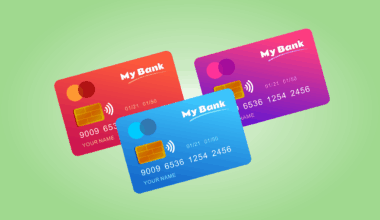

Data Privacy in Wealth Management FinTech
In the realm of wealth management, the integration of financial technologies has introduced new privacy challenges. These challenges arise from the advanced data collection methods used by FinTech companies. Protecting client data is paramount, as the loss or misuse of this information can lead to significant financial and reputational harm. Wealth management firms must be diligent in ensuring that their systems are secure. They should evaluate their software and systems regularly to assess the risk of data breaches. Compliance with regulations such as the General Data Protection Regulation (GDPR) is crucial. Regulations dictate how client data should be managed and protected. Inadequate measures may lead to penalties and a loss of client trust. Moreover, educating clients about privacy risks and their rights enhances transparency. FinTech companies must prioritize privacy measures by implementing robust cybersecurity protocols, such as encryption and access controls. Keeping abreast of the latest technologies and potential threats is essential for sustainable operations. This proactive approach allows firms to safeguard client assets and maintain trust, which is critical for building long-term relationships with clients, ensuring safety in the wealth management domain.
Understanding the implications of data breaches in wealth management is vital for stakeholders. When sensitive client information is compromised, the effects can be far-reaching. Clients risk identity theft, which can adversely affect their financial well-being. Therefore, wealth management firms need to emphasize risk management strategies, continuously updating their security measures. Notify clients promptly if a breach occurs, as transparency can mitigate reputational damage. Clients need to trust that their information is being handled responsibly. In this context, education plays a key role in ensuring clients are aware of potential vulnerabilities and protective measures available to them. Additionally, investment in employee training programs is essential, as human error often leads to security vulnerabilities. Employees must understand their responsibilities in safeguarding client data. Firms should conduct regular audits of their data privacy practices to identify any potential weaknesses. With these audits, wealth management companies can develop a culture of security awareness among employees, enhancing overall system integrity. Implementing a comprehensive privacy policy, aligned with legal requirements, can also provide clarity on the data handling processes. This will foster a relationship of trust with clients, maximizing their confidence in the services provided.
Legal Compliance Challenges
Navigating the web of legal compliance in wealth management FinTech can be challenging. Regulations vary widely depending on the geographical location, and firms must be vigilant about adhering to all applicable laws. Non-compliance can lead to significant penalties, including hefty fines and legal action. Therefore, investment in expert legal counsel is indispensable for FinTech companies operating in wealth management. These experts can help organizations understand complex compliance landscapes and establish effective policies. Regularly updating compliance frameworks is necessary to reflect changes in regulations. For instance, laws often change in response to new technologies and emerging risks. Keeping an eye on global trends allows firms to proactively adapt their practices. Additionally, the adherence to ethical standards is equally important. Clients expect their financial managers to protect their privacy and act with integrity. Failure to meet these expectations can lead to customer churn and negative publicity. Continuous training programs on compliance and ethics for employees can build a culture of accountability. This not only prevents legal issues but also enhances the overall reputation of the firm in a competitive market. Trust is built on transparency and adherence to legal standards, which ultimately benefits both clients and companies.
Another pressing issue in data privacy within wealth management is data sharing among third parties. As FinTech firms often collaborate with other organizations to offer enhanced services, risks associated with data exposure increase. Therefore, firms must scrutinize the data-sharing practices of their partners conscientiously. This includes carefully selecting vendors that prioritize data privacy in their operations. Contracts with third parties should include comprehensive data privacy clauses to delineate responsibilities in case of a breach. Additionally, conducting regular audits of third-party practices can identify weaknesses in security protocols. This collaborative approach ensures that client data remains protected throughout service delivery. Transparency regarding data sharing policies can also build greater trust with clients, as they appreciate knowing how their information is being utilized. Greater GDPR compliance requires informed consent from clients before sharing their data. As such, wealth management firms must establish clear communication channels to collect consent effectively. Moreover, clients should be empowered to control their data, offering them options regarding how and when their information is shared. This degree of control enhances clients’ confidence in the firm and affirms their choices as a critical component of wealth management services.
Cybersecurity Best Practices
Robust cybersecurity measures are essential for protecting client data in wealth management FinTech. Firms must implement comprehensive security protocols that integrate the latest technologies and best practices. Encryption of sensitive data, both in transit and at rest, is fundamental in preventing unauthorized access. Regularly updating software and systems to patch vulnerabilities minimizes risks associated with cyber attacks. Additionally, multi-factor authentication should be standard practice to enhance access control measures for client accounts. Training employees on recognizing potential phishing attempts can significantly reduce the likelihood of human error leading to breaches. Regular vulnerability assessments and penetration testing should be integral to cybersecurity strategies, enabling organizations to test their defenses before actual attacks occur. Furthermore, incident response planning ensures that, in the event of a breach, firms can act swiftly to mitigate damage. Maintaining an updated, comprehensive response strategy can streamline communication within the organization as well as with clients. Keeping up with recent cybersecurity developments allows firms to adapt their strategies accordingly. Engaging with cybersecurity experts can also bolster internal skills and knowledge. By establishing a culture of security awareness and vigilance, wealth management firms can significantly enhance their data privacy protocols.
Client education plays a pivotal role in safeguarding personal financial information. In wealth management, it is vital to communicate potential data risks in an effective manner. Welcoming clients to participate in informational sessions about data protection can greatly enhance their understanding. Providing educational resources helps clients make informed decisions regarding their financial data. It is also essential to offer clients tools and tips on securing their information, including password management strategies and recognizing phishing scams. Regular updates on security practices can keep clients informed, and maintaining open lines of communication fosters continuous engagement. Clients who feel knowledgeable about data privacy are more likely to trust their wealth management advisors. Transparency in data handling also contributes to stronger relationships, as clients appreciate knowing how their information is utilized and protected. Utilizing newsletters or webinars can serve as effective channels for education. Moreover, encouraging clients to ask questions and participate in discussions signals responsiveness from the firm. This inclusive approach enhances the client experience and fortifies trust. In summary, empowering clients with knowledge about their data privacy is essential, leading to a more robust and trustworthy wealth management framework.
Future Trends in Data Privacy
The landscape of data privacy in wealth management FinTech is continuously evolving. Emerging technologies such as blockchain and artificial intelligence are reshaping how financial institutions handle data. Blockchain offers enhanced security features, providing a transparent way to secure transactions and client information. These technologies bring promise but also come with their own set of challenges regarding compliance and client trust. As regulations adapt to accommodate technological advancements, firms must stay ahead of the curve. Agility in policy adaptations is critical for sustainable growth. Customizing privacy practices to align with technological capabilities ensures comprehensive protection for clients. Furthermore, increased emphasis on client consent is likely to shape future data privacy practices. Moving forward, clients will expect to have more control over their personal information, influencing how wealth managers operate. Additionally, the proliferation of digital finance will likely lead to heightened awareness among clients regarding data privacy. Firms need to prioritize transparency and ethical use of data to align with customer expectations. Embracing responsible innovation in financial technologies is crucial for building lasting client relationships. Firms that successfully navigate these evolving demands will gain a competitive edge in the wealth management sector.