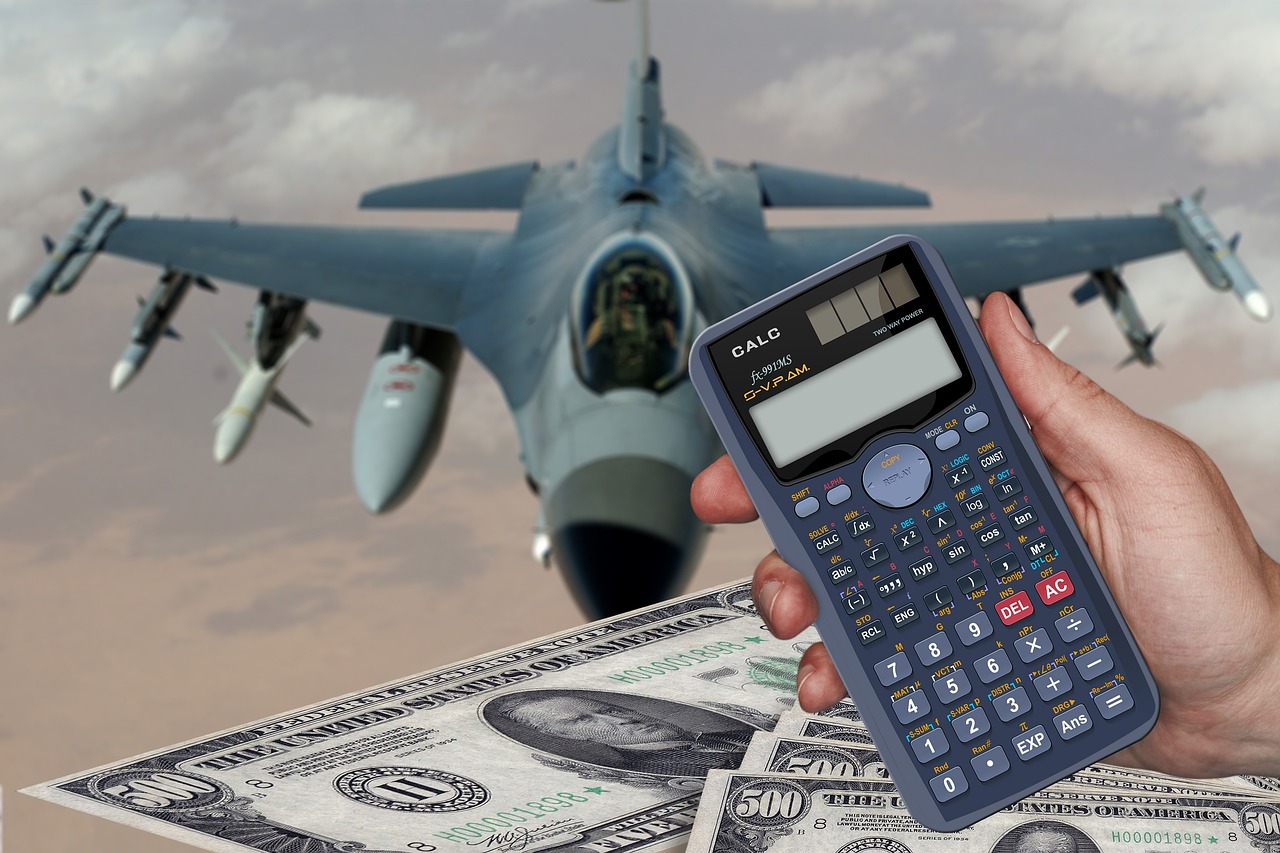

The Economic and Fiscal Ramifications of Overseas Military Engagements
The fiscal impact of overseas military engagements on national economies is significant and multifaceted. As nations commit resources to defense spending, especially in times of conflict, the consequences can ripple through various economic sectors. Governments face increasing pressure to allocate substantial portions of their budgets towards military expenditures, often at the expense of domestic programs. A large military budget can lead to a reduction in funds available for education, healthcare, and infrastructure development. The opportunity cost of such reallocations is considerable, as investments in these areas are essential for long-term economic growth and stability. Furthermore, prolonged military engagements can also trigger inflationary pressures, affecting prices and reducing consumers’ purchasing power. Economists frequently stress the need for a balanced fiscal approach that considers both military needs and social welfare. In conclusion, while defense spending is vital for a nation’s security, it should be weighed against the potential economic drawbacks it may present, including increased debt, reduced domestic growth, and inflation. Policy decisions regarding military funding must carefully consider these factors to ensure overall economic health.
Moreover, engaging in overseas military actions can significantly impact a country’s economic outlook due to increased borrowing requirements. Governments often finance military operations through loans or bond issuance, which can elevate national debt levels. A rising debt-to-GDP ratio can deter foreign investment, as potential investors may perceive heightened financial risks associated with a nation’s stability. Compounding these issues, the subsequent interest payments on this debt can exacerbate fiscal constraints, further limiting government spending on crucial domestic initiatives. Additionally, countries that are involved in extended military engagements often experience trade imbalances. Military supplies and foreign operations frequently lead to increased imports, which can further strain financial resources. The trade deficit may also result in currency devaluation, leading to adverse economic consequences. These effects create a vicious cycle of economic strain. Policymakers must recognize the complexity of fiscal management in times of military conflict. It is crucial to strike a balance between ensuring national security and maintaining robust and sustainable economic growth. Strategic planning and budgetary discipline are essential components of a comprehensive fiscal policy during military engagements.
In examining the effects of defense spending on employment, there are both positive and negative aspects to consider. On one hand, military engagements can create jobs in the defense sector and related industries. The infusion of government contracts often leads to workforce expansions in sectors such as manufacturing, logistics, and technology. This job creation can provide a temporary economic boost to local economies, particularly in areas with military bases. However, these benefits can be offset by job losses in other sectors due to reduced investment in public services and infrastructure, as mentioned earlier. Additionally, when military funding leads to a focus on defense-related industries, it can distort labor markets and reduce overall economic productivity. In areas heavily reliant on defense contracts, economies can become vulnerable to downturns if spending decreases. Inevitably, this creates wider economic implications. As military engagements continue, policymakers must consider the long-term impact of their decisions on employment and labor markets. By fostering a diverse economic landscape, nations can mitigate the adverse effects of defense spending while maintaining adequate military readiness.
The Long-Term Consequences of Prolonged Military Engagements
The long-term implications of sustained military spending extend beyond immediate economic impacts. Veterans returning from engagements require support in various forms, such as healthcare and job training, which necessitates additional government expenditures. Failure to adequately address veterans’ needs can lead to increased socioeconomic challenges, including mental health issues and homelessness. Additionally, these long-term commitments can strain national budgets, impacting fiscal policies for years. Nations may find themselves in situations where a portion of their budgets is allocated to veteran care. Furthermore, overspending on defense initiatives can lead to political tension and public dissent, particularly when citizens perceive that social services are being compromised for military priorities. Ultimately, the lack of public support may hinder future military initiatives and defense policies. Governments must take a holistic approach, factoring in the long-term ramifications of fiscal policies aimed at military spending. Investments in veterans, social services, and community rehabilitation are essential for ensuring that the balance between defense and public welfare is supported. This strategic investment is crucial for fostering societal stability and nurturing economic health post-conflict.
Another critical aspect to consider when discussing defense spending is its impact on innovation and technological advancement. High military budgets can drive significant investments in research and development, resulting in technological breakthroughs that may benefit civilian sectors. Technologies such as the internet, GPS, and advanced materials originated from military-funded projects. As military expenditures increase, the potential for fostering innovation grows. However, the challenge lies in ensuring that these advancements are effectively transitioned for civilian use. Unfortunately, there can be a disconnect between military R&D and its applications in civilian industries. Moreover, focusing heavily on military-related technologies can divert resources and talent from other areas of innovation that may yield critical advancements in societal welfare. Policymakers need to promote collaboration between defense initiatives and civilian innovation sectors to maximize the benefits derived from military research. This approach enables countries to not only maintain a robust defense framework but also strengthen their overall economic competitiveness in the global market. Ensuring a balanced R&D approach can catalyze growth and improve the quality of life across various sectors.
Fiscal policy also plays a vital role in managing public perception related to defense spending. Decisions made by governments regarding military budgets can elicit strong reactions among citizens and stakeholders. Transparency in fiscal policies is critical for maintaining public trust. Citizens often expect to see tangible results from defense expenditures, such as national security or job opportunities. However, when the public perceives that military spending is prioritized over domestic needs, discontent can grow. As a result, public discourse surrounding military budgets often includes heated debates about priorities. Concerns regarding the allocation of resources can lead to political instability, influencing elections and policy decisions. Furthermore, the way in which governments communicate military expenditures can shape societal attitudes. Engaging citizens in discussions, ensuring accountability, and providing clarity on budgetary allocations are crucial for countering potential backlash associated with defense spending. Consequently, integrating public input in the decision-making process can foster a sense of participation and accountability. Ultimately, cohesive engagement strategies are essential for aligning military budgets with national priorities and societal expectations.
Conclusion: Navigating the Fiscal Landscape
In conclusion, the fiscal repercussions of overseas military engagements present both opportunities and challenges for national economies. Defense spending influences various aspects of economic stability, including national debt, employment, technological innovation, and social welfare. While military engagements can enhance job creation and technological advancements, they come with risks, including inflation, debt accumulation, and public dissent. Policymakers must adopt a balanced approach, ensuring that financial resources are efficiently allocated to maintain national security while fostering domestic growth. This balancing act requires foresight and planning, emphasizing the importance of long-term fiscal strategies. Moreover, engagement with the public and stakeholders can help address concerns and enhance transparency, critical elements for effective governance. Ultimately, navigating the complexities of fiscal policy in the context of military spending demands careful consideration and responsiveness to changing circumstances. As nations contend with maintaining security in an increasingly volatile world, a thoughtful and measured approach will determine the long-term sustainability of both military readiness and economic stability.