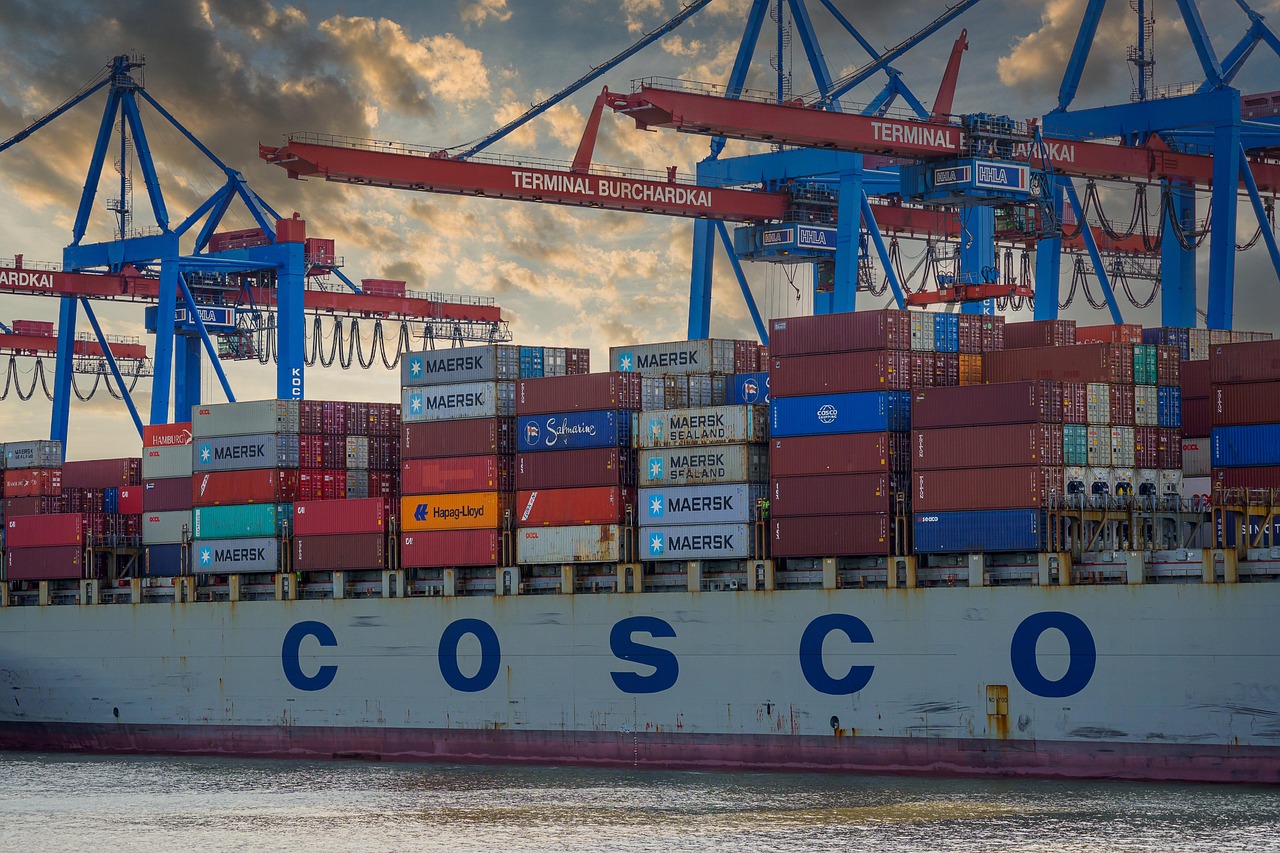

Understanding Supply Chain Linkages in International Trade and Investment
The concept of supply chain linkages is crucial in comprehending the dynamics of international trade and investment. Supply chains encompass a network of organizations involved in the production and delivery of goods, including raw materials to end-use customers. These linkages mean that businesses must understand how various parts of the supply chain interact in global markets. For instance, a manufacturer in Japan might source raw materials from Australia, then ship products to the United States. This interdependence highlights the significance of effective logistics and communication. Additionally, trade agreements also significantly influence supply chain decisions. For companies looking to expand internationally, considering tariff implications, transportation costs, and regulatory compliance across borders is essential. Furthermore, digitalization has transformed traditional supply chains through e-commerce, enabling firms to respond faster to market demands. In this increasingly interconnected world, understanding how these elements affect one another can lead to competitive advantages and improved profit margins. Therefore, businesses that effectively utilize these linkages position themselves strongly in international markets, enhancing their growth prospects and operational efficiency.
Supply chain management impacts many factors including cost efficiencies and risk mitigation in international trade. A well-managed supply chain can help companies reduce operational costs significantly. When organizations understand their supply chain dynamics, they can identify potential weaknesses and areas for improvement. Consider the logistics challenges that can arise when transporting goods across various international borders, including adding multiple intermediaries that can increase complexity. Companies that prioritize collaboration among supply chain partners tend to experience fewer disruptions and enhanced delivery times. Moreover, adopting technologies such as blockchain can improve transparency within the supply chain, leading to better decision-making. By tracking goods from the point of origin to delivery, firms mitigate risks linked with fraud and delays. Additionally, environmental considerations have surged in importance, thereby encouraging companies to invest in sustainable practices within their supply chains. This includes choosing eco-friendly materials and optimizing routes to reduce carbon footprints. As sustainability becomes a priority for consumers, companies that emphasize these aspects often enjoy a better reputation and customer loyalty while simultaneously contributing positively to the environment.
The Role of Technology in Supply Chain Linkages
Technology is reshaping traditional supply chain linkages, creating new opportunities for businesses engaged in international trade. For instance, automation in warehousing and transportation enhances efficiency while reducing reliance on manual processes. Companies can utilize software to monitor inventory levels, predict stock shortages, and plan accurate shipments. Moreover, the incorporation of Artificial Intelligence (AI) and Big Data analytics enables firms to forecast demand more effectively and identify trends in consumer behavior. AI algorithms analyze vast datasets to derive insights which help in strategic planning. Furthermore, Internet of Things (IoT) devices can monitor equipment health and product conditions, informing stakeholders throughout the supply chain. For example, temperature-sensitive goods can gain real-time tracking throughout their transit. This kind of oversight diminishes spoilage rates and improves overall customer satisfaction. With clearer visibility into their operations, companies can make informed decisions quickly. Additionally, cloud computing resources allow for seamless communication between international partners, which is essential for coordinated efforts. Consequently, technology positions businesses to respond promptly to changing market conditions and maintain competitive edges in their respective industries while engaging with global trade.
The competitive nature of international trade necessitates agility in supply chain strategies. Companies must possess the foresight to quickly adapt to market changes, such as shifts in consumer preferences or global crises. For instance, the COVID-19 pandemic disrupted many traditional supply chains, revealing vulnerabilities that firms often overlooked. Subsequently, businesses have begun to diversify their supplier bases, so they are not dependent on a single source. This approach reduces risks associated with supply shortages or geopolitical tensions that may affect specific regions. Moreover, companies increasingly incorporate flexibility into their supply chain models, allowing for rapid adjustments. As markets evolve, adopting Just-In-Time (JIT) inventory practices can enhance cash flow management while meeting consumer demands efficiently. Integral to this strategy is fostering relations with suppliers and logistics partners, emphasizing communication and trust. Building these connections enables firms to navigate uncertainties collaboratively. Furthermore, global sourcing strategies are revisited frequently as firms explore emerging markets that offer new growth opportunities. Understanding the potential benefits of diversification becomes imperative for long-term sustainability and performance in international trade.
Challenges in Global Supply Chain Linkages
Despite its advantages, managing supply chain linkages presents challenges that require careful attention. Compliance with various international regulations is a crucial concern for businesses that operate across borders. Each country has unique trade policies, documentation requirements, tariffs, and customs regulations that firms must navigate. Failure to adhere to these legalities can result in financial penalties and trade disruptions. Furthermore, fluctuations in currency exchange rates impact costs significantly, affecting overall profitability. Companies engaged in international trade must regularly monitor these rates and hedge when necessary. Additionally, logistics issues such as port congestion, transportation delays, and shipping costs can derail well-planned strategies. To counteract these issues, companies can establish a robust risk management framework that anticipates potential obstacles and develops contingency plans. By employing scenario analysis, businesses are better prepared for uncertainties that could affect their operations. Proactive management of these challenges ensures continuity in supply chain operations, avoiding pitfalls that could significantly impact a company’s market standing and profitability in the long run.
Environmental sustainability is becoming a growing concern regarding international trade and investment linkages. As not only consumers but also governments push for sustainable practices, businesses need to adapt. Companies are now encouraged to assess their supply chain processes to identify opportunities for minimizing waste and carbon emissions. This shift towards sustainability includes prioritizing eco-friendly materials, reducing packaging, and optimizing logistics routes to lower carbon footprints. Moreover, organizations are discovering that implementing green practices can lead to significant cost savings while catering to the preferences of environmentally conscious consumers. Regulations and standards surrounding environmental impact often influence trade agreements and investment opportunities. Companies that embrace sustainability can enhance their reputation, leading to increased market opportunities and consumer trust. Furthermore, collaboration is essential in promoting sustainability throughout the supply chain; firms must engage suppliers in discussions about sustainable sourcing and production methods. Investing in sustainable technologies can also optimize processes, leading to more efficient operations. As the global push for sustainability intensifies, forward-thinking companies are positioning themselves as leaders in responsible business practices while capitalizing on emerging trends in international trade.
The Future of Supply Chain Linkages in International Trade
The future of supply chain linkages in international trade is decidedly intertwined with technological advancements and evolving market dynamics. Innovation in areas such as artificial intelligence, machine learning, and automation continues to reshape how supply chains function. As organizations strive to maintain competitiveness, they increasingly adopt smarter supply chain solutions. The rise of blockchain technology offers promising prospects for transparency and traceability within supply chains, fostering greater trust among stakeholders. Moreover, the potential integration of autonomous vehicles and drones in logistics streams could revolutionize delivery methods, significantly reducing lead times and costs. It’s also anticipated that sustainability will remain a focal point, pushing businesses to integrate eco-conscious practices continuously. In the years to come, global trade may see a deeper integration of digital platforms that streamline operations and facilitate collaboration across borders. As businesses increasingly prioritize resilience, adapting to changing consumer expectations and global events will be vital. Consequently, organizations will need to remain agile, embracing innovative solutions that align with the demands of the ever-changing international trade landscape.
Supply chain linkages are more than mere connections; they encapsulate the dynamics that drive trade and investment in our globalized world. By understanding the complexity and interdependencies embedded within these systems, stakeholders can make informed decisions that enhance efficiencies and profitability. The adaptability inherent in supply chain strategies ultimately determines how businesses respond to market and environmental shifts. Moreover, a commitment to sustainability will only strengthen a company’s competitive edge in the international arena. Future-focused businesses will embrace technology to redefine their supply chains, fostering resilience while ensuring responsiveness to emerging trends and consumer demands. As globalization continues to evolve, harnessing the potential of supply chain linkages will be integral to achieving success in international trade. Through strategic planning, innovation, and collaboration, companies can position themselves effectively to navigate the complexities of global commerce. Ultimately, understanding and optimizing these supply chain linkages will pave the way for enhanced competitiveness and sustainable growth in the dynamic world of international trade and investment.