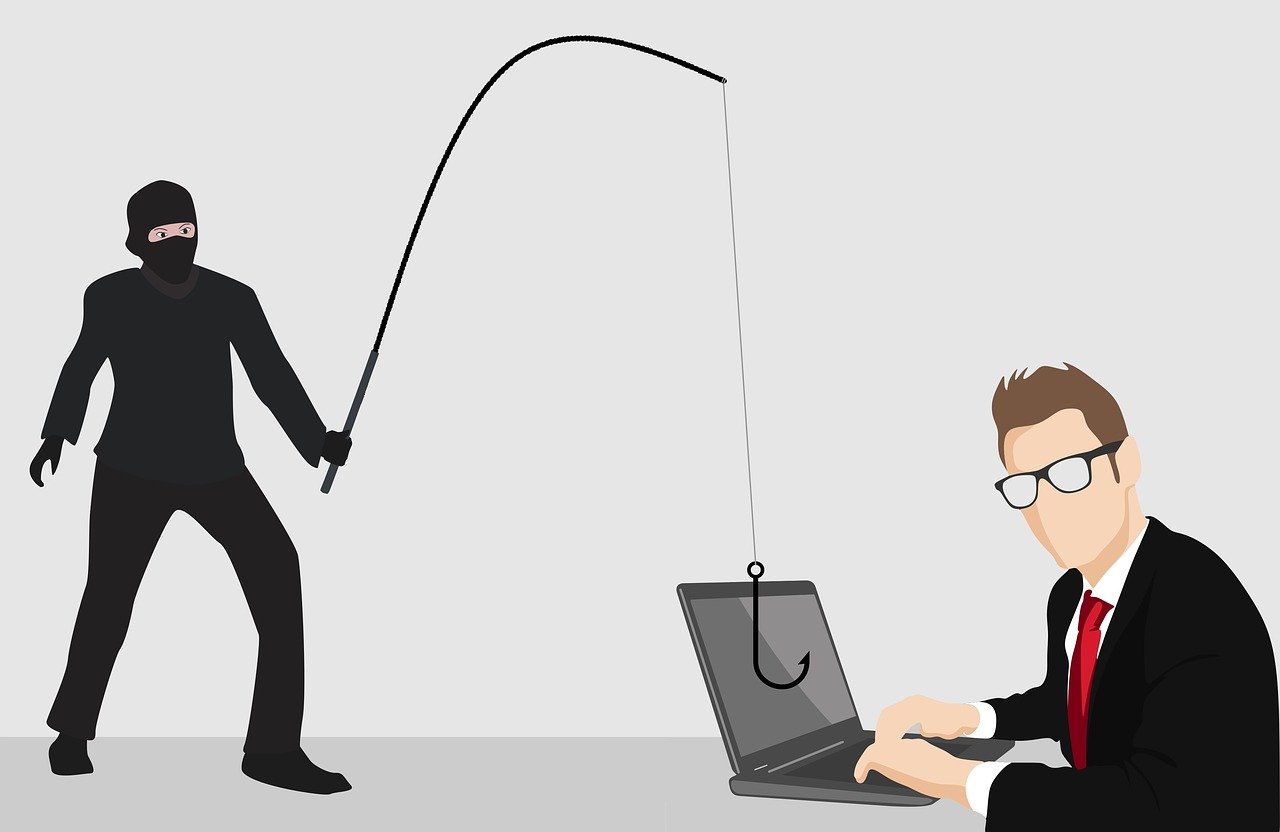

Emergency Credit Freeze Strategies for Identity Theft Victims
Identity theft can have devastating consequences on an individual’s financial health, making immediate steps essential. A credit freeze is a critical tool available to victims, preventing new credit accounts from being opened in their name. To initiate a credit freeze, contact the major credit bureaus: Equifax, Experian, and TransUnion. You’ll need to provide personal identification details and information to verify your identity, often requiring a Social Security number. In the aftermath of identity theft, it is crucial to act quickly. However, keep in mind that a credit freeze doesn’t remove any existing credit accounts; it simply prevents new inquiries. This will safeguard your score and prevent companies from accessing your credit report without your permission. Besides freezing your credit, utilizing fraud alerts can serve as an additional layer of protection. Consider adding a fraud alert, flagging your file with the credit bureaus, which can last for a year with possible extensions. This notice signifies to lenders that they should take extra steps to verify your identity before extending credit, further securing you against the consequences of identity theft.
Steps to Implement a Credit Freeze
To successfully implement a credit freeze, follow these structured steps to bolster your financial security. First, gather all necessary documents. This may include recent utility bills, your driver’s license, and Social Security card. Authenticating your identity is a straightforward yet vital component of the process. Second, visit the websites of the credit reporting agencies. Each bureau has specific processes to request a freeze and often requires comprehensive personal information. After initiating your freeze, ensure that you get a unique PIN or password. This critical piece of information is mandatory for unfreezing your credit in the future. Remember that freezing your credit is free of charge. You should receive confirmation via email or mail from the credit bureaus, confirming the status of your freeze. Another essential point to remember is that a credit freeze does not affect your credit score, so your ongoing financial activities will not be impeded. In fact, it acts as a strong deterrent against potential identity thieves seeking to exploit your sensitive information. Implementing these strategies effectively secures your financial integrity.
In addition to implementing a credit freeze, it’s vital to regularly monitor your credit reports for any unusual activities. Leverage the fact that U.S. citizens are entitled to one free credit report each year from each of the three major credit bureaus: Equifax, Experian, and TransUnion. By rotating your requests, you can essentially check your credit three times a year without incurring any costs. During your review, pay attention to inquiries, accounts you don’t recognize, or any inaccuracies in your information. If any discrepancies arise, contact the credit bureau immediately to dispute the inaccuracies. Each time a report shows unauthorized inquiries, it raises a flag, making it an excellent opportunity to further investigate. Additionally, be cautious of phishing attempts that can compromise sensitive information. Use secure passwords, and change them regularly. Enabling multifactor authentication wherever possible can also add an extra layer of protection to your financial accounts. The greater your awareness of your financial health, the better you can defend yourself against identity theft threats. This ongoing vigilance serves as a proactive approach to maintaining your credit integrity.
Utilizing Fraud Alerts Effectively
Fraud alerts serve as a critical line of defense against identity theft, augmenting your credit freeze strategy effectively. To establish a fraud alert, simply inform one of the major credit bureaus—they are mandated to notify the others. There are two types of fraud alerts: initial and extended. An initial alert lasts for a year, while an extended fraud alert can last for up to seven years. Opting for an extended alert typically suits individuals who have experienced identity theft, seeking additional security. Fraud alerts inform lenders and creditors to verify your identity before approving new accounts, which can deter fraudulent activity. When you place a fraud alert, you will receive a confirmation and details on how to proceed. This alert necessitates lenders to take extra steps, such as contacting you directly, thus providing extra security. Make sure to keep your contact information updated with credit bureaus, as lenders will be contacting you to verify identity. By strategically incorporating fraud alerts alongside a credit freeze, you enhance your chances of preventing further identity theft issues.
Furthermore, it’s essential to keep detailed records during your credit freeze journey. Document every step taken, including date, time, and agency contacts. Such records can be immensely valuable should any disputes or further problems arise. Having clarity on your situation will strengthen your defense against any attempts to open fraudulent accounts in your name. Additionally, remain informed about your rights as a victim of identity theft. The Fair Credit Reporting Act outlines clear guidelines and protections. You are entitled to report suspected identity theft and request your credit report for free. Utilize these rights to assertively manage your financial security. Understanding your legal entitlements makes navigating these turbulent waters simpler. Make sure to utilize available resources wisely. Non-profit organizations and government agencies are often equipped to assist through victim recovery processes. Websites like the Federal Trade Commission provide guidance on steps to take if your identity is compromised. When combined, these proactive strategies create a holistic approach to managing threats posed by identity theft and credit fraud. Awareness and preparedness are your best defenses.
Consider Professional Assistance
If you feel overwhelmed managing identity theft issues, seeking professional assistance may be a wise choice. Numerous organizations specialize in identity theft recovery and can provide expert advice tailored to your unique situation. These services can guide you through imposing credit freezes and managing disputes on your behalf. Although many services require fees, the potential prevention of future fraud often outweighs the costs. Before selecting a company, conduct thorough research and look for reviews to ensure legitimacy. Check the Better Business Bureau ratings and accreditation. You want a trusted partner who plays a crucial role in navigating your recovery processes. Additionally, participating in support groups can provide both emotional support and practical advice from individuals who’ve weathered similar challenges. Peer support often yields effective coping strategies and can help maintain your morale during this stressful ordeal. Your mental well-being is equally important in handling identity theft. Therefore, information and guidance, combined with emotional support from those who understand, can make all the difference.
Lastly, prioritize prevention strategies to mitigate risks associated with identity theft. Regularly updating passwords, using complicated passphrases, and employing password managers can significantly decrease vulnerabilities. Consider opting for credit monitoring services that alert you to emerging activity on your credit file. These services notify you or allow you to take immediate action against unauthorized activities. Conducting periodic reviews of your bank statements will help you detect discrepancies before they evolve into larger issues. Teach family members, especially children, about the significance of safeguarding personal information. Educating loved ones can significantly reduce exposure to potential threats. Engaging in proactive measures creates a strong barrier against identity theft. Establishing a strong monitoring system, sharing best practices, and ensuring everyone is educated will lead to a more secure environment. Moreover, adapting to these practices and remaining vigilant can play a significant role in maintaining financial health long into the future. Taking preventive measures today will benefit you tomorrow and beyond.
In conclusion, addressing identity theft requires decisive action towards implementing strategies like credit freezes and fraud alerts to safeguard your financial integrity. It’s a process essential to comprehending your options and applying necessary measures to maintain security over your credit file. Understanding the options at hand, like placing fraud alerts and obtaining ongoing monitoring, can significantly improve your defenses against identity theft. Engaging professional assistance can streamline recovery efforts, while also benefiting mental health during stressful situations. Organizations available to aid in recovery and prevent future issues are available, maintaining peace of mind in uncertain moments. Furthermore, by regularly coupling personal responsibility with preventative strategies, including robust security on accounts, the likelihood of becoming a victim reduces considerably. Constantly educating yourself and loved ones adds to a significant layer of preemptive protection. Remember the essential nature of remaining vigilant and proactive; these strategies are essential components of successful identity theft management. Your journey towards securing financial health doesn’t end after initiating credit freezes or alerts. Rather, it’s an ongoing commitment toward vigilance and excellence in protecting your identity.