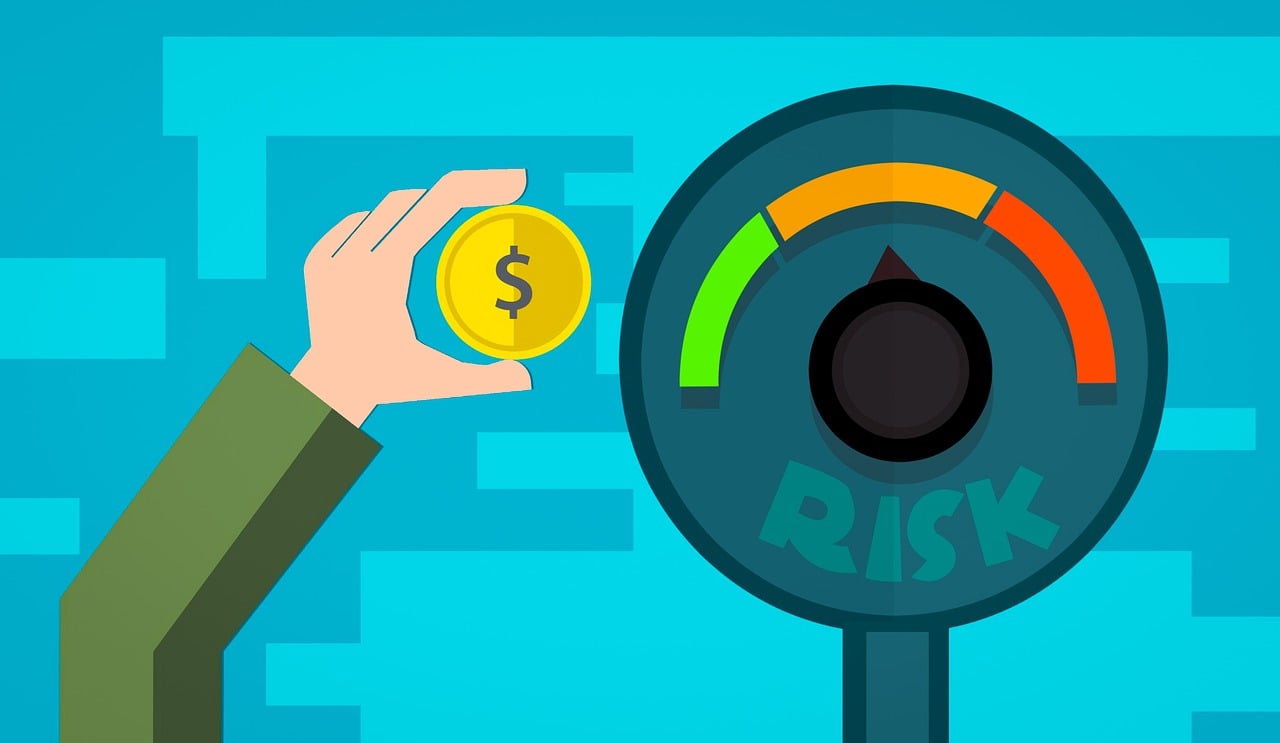

How Emotions Impact Risk Assessment in Investing
Understanding how emotions influence risk taking in investing is critical for investors. Emotions can lead to irrational behaviors that may deviate from fundamental analysis. For example, fear often drives people to sell stocks during market downturns, while exuberance leads to risky investments when markets are booming. This is often termed ‘loss aversion,’ where the fear of losing money outpaces the pleasure derived from potential gains. A well-balanced approach to investing considers not just financial metrics but also psychological factors. Behavioral finance explores the intersection of psychology and financial decision-making, revealing patterns that might not conform to classic economic theories. Personality traits and emotional responses significantly shape individuals’ decisions. Investors driven by emotions often miss crucial information needed for sound decision-making. By acknowledging these emotional biases, investors can craft better strategies to counteract them. Cultivating emotional intelligence facilitates a more objective approach to investing. This can lead to a successful investment strategy that leverages analytical skills and psychological awareness. It’s essential to educate oneself about personal biases in investing, enabling smarter decision-making in volatile markets.
Investors often experience a range of emotions, particularly fear and greed. The emotional rollercoaster of investing can affect decision-making profoundly. For instance, during a stock market crash, fear may lead to panic selling. Conversely, in bullish markets, greed can result in over-investing without adequate analysis. Understanding these emotional triggers allows investors to maintain a balanced perspective. Successful investing requires a level of discipline to resist irrational impulses. Emotionally-driven decisions can lead to regrettable choices that dramatically affect overall wealth. Cognitive dissonance, where beliefs conflict with actions, often arises in emotionally charged situations. For example, an investor might hold onto a losing stock due to pride, hoping it will recover while ignoring warning signals. Techniques like mindfulness and reflective thinking are useful for mitigating emotional reactions. By becoming aware of emotional responses, investors can create more rational strategies. Developing a robust investment plan based on analysis rather than emotions empowers longer-term success. Regularly reassessing one’s portfolio also encourages objective evaluations, free from emotional interference. In summary, understanding and managing emotional factors significantly contribute to effective risk assessment in investing.
Behavioral Biases in Investing
Behavioral finance identifies several biases that impact investor decisions. Awareness of these biases enhances one’s ability to assess risk accurately. One common bias is overconfidence, where investors believe they can predict market movements better than they can. This can lead to excessive risk-taking, ultimately resulting in losses. Another bias, confirmation bias, is when individuals seek information that confirms their existing beliefs while ignoring contradictory evidence. This can skew risk assessments and lead to poor investment choices. Anchoring is another bias that occurs when investors fixate on a particular piece of information, like an initial purchase price, distorting their perception of future risks. Additionally, herd behavior can inflame irrational decision-making as investors follow trends rather than seeking solid analysis. By acknowledging these biases, investors can develop strategies to mitigate their effects. Keeping a trading journal can help recognize and reflect on these emotional tendencies over time. A disciplined approach that separates emotions from decision-making can significantly improve investment outcomes. Thus, educating oneself about behavioral biases is essential to refining risk assessment capabilities.
Another important aspect involves understanding the emotional stages investors go through during market fluctuations. This journey typically follows a cycle of emotions that can influence investment decisions. Initial shock and denial occur when facing market downturns, contributing to poor choices, like panic selling. The stages of grief theory often parallels the emotional reactions of investors, influencing how they respond to losses. This cycle affects their ability to assess risks clearly. Recognizing these stages can help investors devise strategies to cope with emotional tumult. By having predetermined action plans, one can minimize emotional reactions that lead to rash decisions. Furthermore, engaging with financial advisors can provide an objective viewpoint, helping to counteract emotional tendencies. Tracking one’s emotional state during transactions may offer insights into biases influencing decisions. Building a community with other investors fosters discussions, enabling the exchange of thoughts about emotional responses. Understanding the psychological impact of fear and greed empowers investors to approach the market more rationally. Ultimately, overcoming these emotions is key to enhancing overall investing strategies.
Strategies for Emotional Regulation
Investors can utilize various strategies to manage emotions effectively when assessing risks. Emotional regulation techniques such as mindfulness meditation can help stabilize one’s emotional state. Regularly practicing mindfulness cultivates a greater awareness of emotional triggers experienced during investing. Journaling one’s thoughts and feelings about market movements fosters introspection, allowing investors to identify irrational behaviors. Creating specific rules for investing, such as setting stop-loss orders, can also mitigate impulsive emotional responses. Establishing clear buy and sell criteria promotes disciplined trading practices. Engaging in physical activities like exercise or hobbies outside of investing can keep one’s mind clear and lessen emotional turmoil. Additionally, building a supportive network with fellow investors can provide emotional solace during turbulent times. Sharing experiences enables individuals to feel less isolated in their emotional struggles. It furthers a sense of control over emotions and keeps anxiety at bay. Furthermore, significant educational endeavors, such as attending workshops or reading books about behavioral finance, enhance insights. Such knowledge equips investors to respond more judically to market dynamics. Embracing a proactive approach to emotional management ultimately leads to better investing outcomes.
Ultimately, understanding the interaction between emotion and risk assessment is crucial for successful investing. The relationship between psychology and market behavior creates unique challenges for investors. Adopting rational decision-making processes while recognizing emotional influences can lead to improved strategies. An often-overlooked factor is the impact of social media and news cycles on emotions. The rapid dissemination of information can heighten fear and excitement in volatile markets. Investors must recognize how external stimuli can quickly influence their emotional state, leading to decisions based on fleeting sentiments. By limiting exposure to sensationalized news, individuals may enhance focus on their long-term goals. Incorporating analytical tools and investing algorithms can assist in keeping emotions at bay. These tools rely on quantitative data rather than feelings, which can greatly enhance risk assessments. Moreover, developing mental resilience helps prepare investors for the inevitable ups and downs of market dynamics. Embracing a mindset anchored in patience and discipline ultimately yields more favorable trading results. This awareness lays the groundwork for informed decisions in an unpredictable investment landscape, supporting sustained growth.
Conclusion: The Emotional Landscape of Investing
In summary, emotions play a significant role in risk assessment in the investment world. Understanding emotional biases and responses empowers investors to make better-informed decisions. Embracing psychological awareness can mitigate the negative impacts of fear and greed. This integration of emotional intelligence alongside analytical skills establishes a more effective investment strategy. The interplay between behavioral finance and traditional analysis reveals the complexity of financial decision-making. It is crucial to routinely reflect on one’s emotional state and its influence on investment choices. Continuous learning about behavioral biases contributes to enhancing risk assessment skills. Investing can be both an emotional and analytical journey, and those who master both realms often find greater success. By building a solid framework for emotional management and creating a structured investment plan, individuals can navigate the markets with confidence. Ultimately, fostering a balance between emotional insights and rational analysis leads to reinvigorated investment strategies. As individuals strive towards their financial goals, understanding the emotional landscape perfectly positions one for long-term success.
In conclusion, as the world of investing constantly evolves, emotional intelligence becomes increasingly important. The successful investor differentiates behaviors influenced by fear and those founded on solid data and analysis. When emotions rise, a sharp focus on fundamentals helps guide decisions effectively. The ability to detach emotional influences from investment decisions not only mitigates risks but leads to improved performance. Investors equipped with knowledge understand that markets fluctuate and periods of loss are part of the investment experience. Being comfortable with temporary setbacks can build emotional resilience. Engaging in continual education and reflection on emotional behaviors helps one stay grounded amidst market madness. Incorporating routine self-assessment practices into investment strategies cultivates a psychological awareness that arms investors against emotional pitfalls. Ultimately, being proactive and flexible regarding emotional influences sharpens one’s capacity to handle market volatility. Investors who embrace this holistic understanding often unlock their potential for success. As the landscape of investing progresses, integrating behavioral finance principles offers a pathway towards sustainable financial growth.