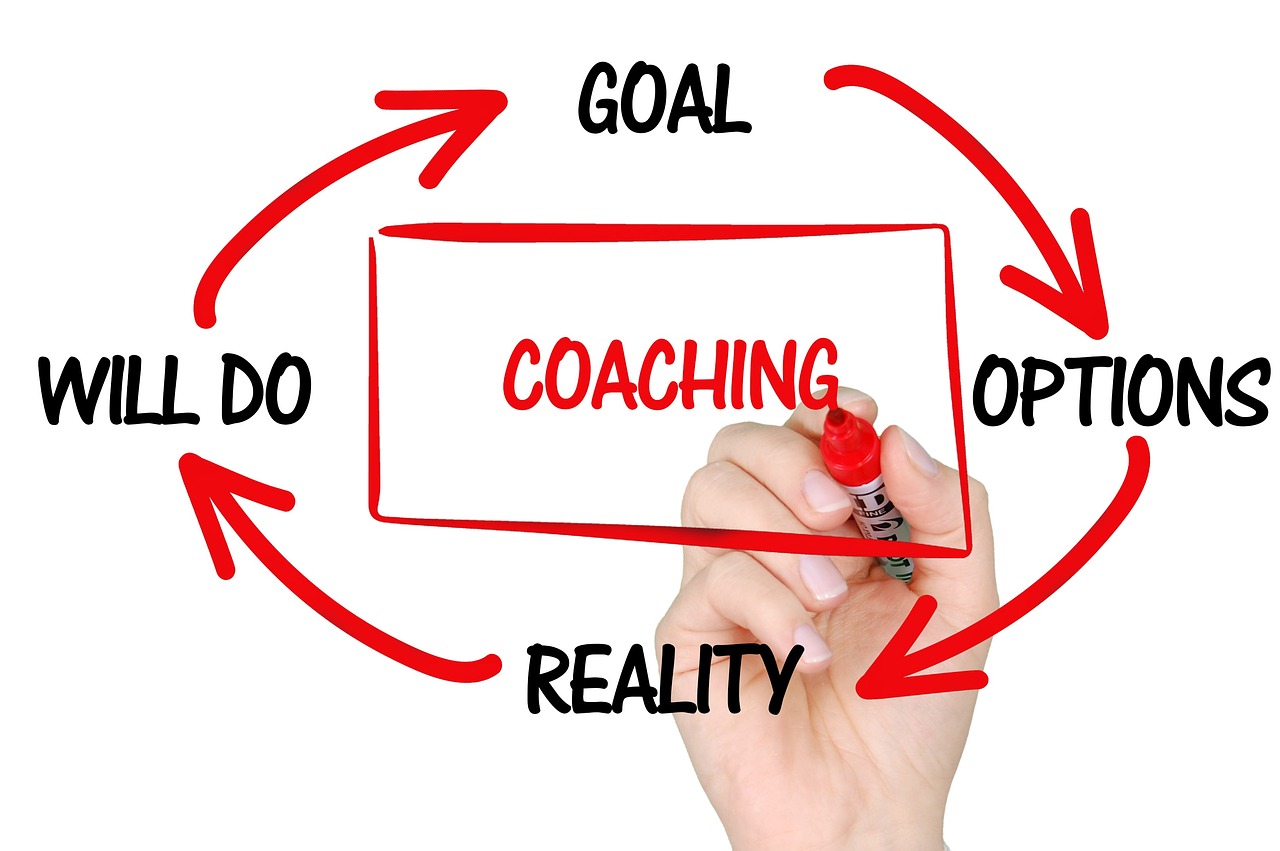

Coaching and Mentoring Within Project Teams
Coaching and mentoring are fundamental elements of effective project leadership. In today’s dynamic environment, project managers who hone their leadership skills greatly enhance team performance and project outcomes. Establishing rapport and trust among team members is pivotal for successful interactions. By understanding the distinct roles of coaching and mentoring, leaders can effectively support their teams. Coaching focuses on developing specific skills, while mentoring emphasizes overall personal and professional growth. This distinction aids leaders in tailoring their approach based on individual team member needs. Furthermore, when leaders provide a safe space for feedback and open discussions, they encourage team members to express concerns or ideas. A supportive atmosphere fosters collaboration and innovation, leading to higher productivity and morale. Next, we will explore effective strategies for implementing coaching and mentoring practices within project teams. Overall, combining both skills helps nurture a culture of continuous improvement, which is essential in today’s fast-paced project environments. Coaches and mentors should model behaviors and attitudes they wish to instill in their team, promoting a growth mindset throughout the organization.
Effective communication plays a crucial role in the coaching and mentoring processes. Project leaders must tailor their communication methods to accommodate individual team member preferences and learning styles. This requires leaders to be observant and adaptive, recognizing when to switch between directive and participative approaches. Active listening is a fundamental skill that leaders should practice to understand their team members better. Moreover, it is essential to provide timely feedback and constructive criticism to help individuals grow. Leaders can harness various tools and techniques, such as one-on-one meetings, workshops, or informal discussions, to significantly improve communication. Creating an environment where team members feel valued encourages openness. Regular check-ins can help ensure that everyone is aligned with project goals and identify any developmental needs within the team. With open lines of communication established, team members are more likely to share innovative ideas, seek assistance, and collaborate freely. This collaborative environment positively impacts project success and team culture. Therefore, leaders should prioritize communication strategies that bridge gaps and foster connections among team members, ultimately enhancing the overall effectiveness of the project.
Implementing Mentoring and Coaching Programs
To successfully implement coaching and mentoring programs within project teams, leaders must first set clear expectations. This involves defining the objectives of these programs and the specific roles that each team member will play. Establishing measurable goals enables continuous tracking of progress and outcomes. Furthermore, leaders should align their coaching and mentoring initiatives with the organization’s values and broader project objectives. Additionally, selecting the right individuals to act as coaches and mentors is imperative. These individuals must possess the necessary expertise and interpersonal skills to foster meaningful development. Training sessions can help equip mentors and coaches with the tools they need to facilitate effective learning experiences. Encouraging peer coaching can also enhance team dynamics and build a strong support network within the group. It allows team members to share knowledge and different perspectives. Regular evaluations of the mentoring and coaching programs are essential to gauge their effectiveness and adaptability. Feedback from participants should guide any necessary adjustments and improvements. This evolves these programs continuously, ensuring they remain relevant and impactful in developing project leadership skills.
Another essential component of coaching and mentoring is establishing accountability within project teams. Leaders should create a culture where team members take ownership of their learning journeys, holding themselves and each other accountable for progress. To facilitate this culture, setting individual development plans for team members can provide direction and clarity in their growth paths. Regularly reviewing these plans during team meetings allows for tracking development against set goals. Additionally, recognizing and celebrating achievements, no matter how small, can significantly motivate team members. Acknowledgment reinforces positive behaviors and encourages everyone to strive for excellence. Pairing team members with accountability partners can further boost motivation and commitment to goals. The accountability framework within the team ensures that everyone collaborates and learns from one another. This fosters healthy competition and continued growth among team members. As project teams operate within tight deadlines, building accountability encourages timely completion of tasks while ensuring quality standards are maintained. Appointing accountability can transform the dynamics of a project team, leading to more successful outcomes and enhanced project performance.
Challenges in Coaching and Mentoring
Coaching and mentoring within project teams can present various challenges that leaders must navigate. One common issue is the potential mismatch between coaching styles and individual learning preferences. Each team member has their unique way of absorbing information, which requires leaders to be flexible in their approach. Furthermore, time constraints can hinder effective coaching and mentoring practices. Busy schedules often lead to limited opportunities for one-on-one interactions, making it difficult to establish meaningful connections. Leaders may need to prioritize and allocate specific times for coaching sessions to ensure these practices are integrated into the project workflow. Another challenge lies in measuring the effectiveness of coaching and mentoring initiatives. Leaders must develop assessment criteria that accurately capture the progress and impact of these programs. Furthermore, resistance to change may arise, especially if team members are not accustomed to receiving guidance and support. Addressing these challenges requires continuous improvement and adaptability. Leaders should seek feedback actively and make necessary adjustments to their coaching and mentoring strategies to overcome obstacles and facilitate a positive impact on team dynamics and project outcomes.
Promoting a culture of feedback is vital for the long-term success of coaching and mentoring initiatives. Creating an environment where team members feel comfortable giving and receiving constructive criticism will lead to valuable insights and growth. Encouraging a growth mindset allows team members to view feedback as an opportunity for improvement rather than a personal attack. Making feedback a regular part of team discussions, such as during retrospective meetings, helps to normalize the practice. Additionally, leaders should model how to provide constructive feedback effectively. Sharing feedback tips with team members can enhance their skills in delivering and receiving critiques safely and productively. Mentors can guide mentees on how to incorporate feedback into their work processes and decisions. As team members practice asking for and giving feedback, they will develop stronger relationships and improve communication overall. Ultimately, fostering a feedback-driven culture can enhance the effectiveness of mentoring and coaching efforts. This results in continuous learning, skill development, and ongoing project success, with team members feeling more empowered and engaged in their contributions.
Conclusion
In conclusion, coaching and mentoring are integral aspects of project leadership that can significantly enhance team performance and project outcomes. Establishing effective coaching and mentoring practices requires ongoing commitment from project leaders to foster a culture of growth and continuous improvement. Through tailored communication methods, well-defined accountability systems, and a focus on feedback, leaders can equip their teams to excel. Furthermore, overcoming challenges requires adaptability and dedication to refining approaches; such perseverance will result in strong team dynamics and a collaborative environment. Leaders play an essential role in developing the next generation of project managers and leaders through their mentorship efforts. Through thoughtful coaching programs, leaders can cultivate skills and foster environments conducive to personal growth. This results in successful project execution and the establishment of a legacy of empowered team members. Investing in coaching and mentoring ultimately contributes to building resilient project teams capable of navigating future challenges. As a result, organizations can establish a competitive edge, ensuring sustained success in an ever-evolving marketplace.