
Understanding Customer Journey Mapping for E-commerce Success
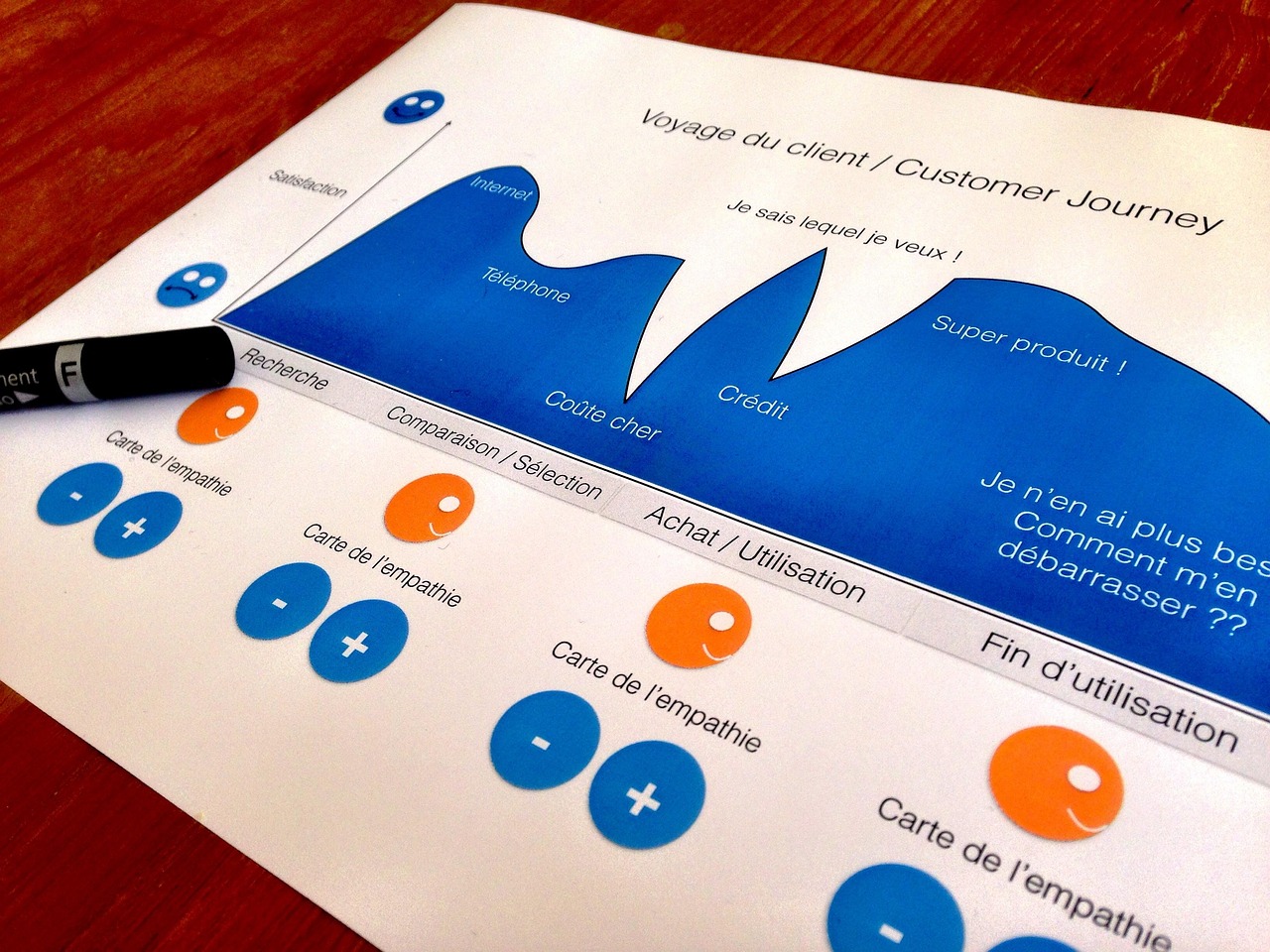
Customer journey mapping is essential for e-commerce success, providing businesses with crucial insights into consumer behavior. By visualizing the customer experience, companies can identify pain points and opportunities to enhance satisfaction. Mapping enables businesses to understand how users interact with their brand across multiple touchpoints. Important phases include awareness, consideration, purchase, and post-purchase evaluations. Organizations can create detailed maps by sharing insights from various departments, including sales, marketing, and customer support. Additionally, employing mapping tools helps streamline this process. Some popular tools include Lucidchart, Miro, and Microsoft Visio. Investing time in crafting a comprehensive journey map can yield significant returns in terms of customer loyalty and retention. As a result, brands will likely see increased lifetime value from each customer, boosting their bottom line. Furthermore, a well-structured journey map allows brands to tailor their marketing efforts more effectively, ultimately leading to improved conversion rates. In this competitive landscape, understanding your audience’s journey is crucial for developing strategies that resonate. By continuously reviewing and updating these maps, e-commerce businesses can adapt to changing customer needs.
Analyzing Customer Touchpoints
Analyzing customer touchpoints is crucial for refining the customer journey. Touchpoints are every interaction a customer has with a brand, from social media ads to post-purchase follow-up emails. By evaluating these interactions, businesses can pinpoint areas requiring improvement. To assess each touchpoint, user feedback through surveys and social listening are effective methods. Businesses can pinpoint critical moments that influence customer decisions, which may include positive or negative experiences. Lastly, many companies utilize analytics tools to track performance metrics related to these interactions. Key performance indicators may include conversion rates, customer satisfaction, and net promoter score. By scrutinizing these metrics, e-commerce businesses can optimize touchpoints based on solid data. An enhanced focus on customer touchpoints will lead to a better understanding of how to engage customers effectively throughout the journey. Improved engagement, in turn, drives higher conversion rates and boosts customer loyalty. Additionally, documenting the impact of changes made enables further refinement of strategies. Continuously analyzing these interactions is necessary for adapting to dynamic market trends and necessities. Therefore, touchpoint analysis is a fundamental aspect of successful e-commerce marketing strategies.
Mapping the customer journey requires a deep understanding of target audience segments. Each segment may have distinct motivations and pain points which necessitate customized approaches to meet unique expectations. By utilizing tools like personas, businesses can create a detailed understanding of diverse audience segments. Each persona categorizes a specific user type based on common traits, including demographics, interests, and behaviors. Additionally, demographic data collected through website analytics, social media insights, and customer feedback helps inform these personas. Businesses can tailor their messaging to suit different segments, ultimately improving customer relations. This approach ensures that the content and offers resonate with potential customers consequently leading to higher conversion rates. Segment-specific email campaigns engage users with tailored offers, promoting retention and encouraging repeat purchases. It is also crucial to consider the customers’ emotional states as they navigate the buying process. Highlighting pain points in the mapping process allows companies to address fears and doubts proactively. Regularly validating and refining personas maintains alignment with consumer behavior changes driven by market or cultural shifts. This process ensures companies evolve alongside their customers, reinforcing satisfaction and loyalty.
Holistic integration of marketing channels strengthens the overall customer experience. E-commerce brands increasingly leverage various platforms to attract, engage, and retain customers. This includes social media, email, mobile apps, and websites that offer diverse touchpoints within the journey. Implementing an omnichannel strategy enables customers to transition seamlessly across channels throughout their purchasing journey. According to research, brands that integrate multiple channels effectively can experience higher conversion rates and customer loyalty. By ensuring consistent messaging and branding across touchpoints, customers develop a coherent sense of familiarity with the company. Effective omnichannel strategies also support enhanced personalization in the customer journey. Customers expect relevant, data-driven experiences that cater to their interests and preferences on every platform. This requires a blend of technological solutions and data insights that empower companies to tailor offerings based on real-time information. Additionally, customer feedback and analytics play crucial roles in shaping a responsive omnichannel strategy. Acting promptly on customer insights allows brands to underscore their commitment to improving the user experience constantly. Therefore, the holy grail of consistency lies in harmonizing the channels used during the customer journey.
Customer feedback is invaluable for enhancing the journey mapping process. Gathering feedback provides insights about customer experiences, expectations, and satisfaction levels. Companies can utilize various methods to collect feedback, including surveys, interviews, and focus groups. Leveraging social media platforms enables e-commerce businesses to engage directly with customers. Using review platforms allows organizations to assess what resonates with users within their journey effectively. Identifying significant trends or recurring issues in feedback highlights areas that require adjustment. Managing customer feedback demonstrates a continuous improvement mindset, which can enhance brand loyalty. Additionally, feedback can impact product offerings and customer service practices, which directly affect the user journey. Furthermore, synthesizing qualitative and quantitative findings provides a more comprehensive view of user experiences that can guide decision-making. Implementing changes based on feedback needs to be a prioritized aspect of a company’s customer-centric strategy. By routinely assessing feedback data, e-commerce businesses can pinpoint trends that indicate areas for improvement. This approach fosters a cycle of feedback and adaptation that amplifies customer satisfaction and retention.
Data analytics play a pivotal role in informing the evolution of the customer journey over time. The value of data insights cannot be understated, as they can provide a clearer understanding of customer behaviors and preferences. Businesses must harness various tools and methods to analyze data effectively, including Google Analytics, heatmaps, and A/B testing. Monitoring key performance indicators related to customer engagement, conversion rates, and satisfaction helps e-commerce brands make informed decisions on refining their strategies. Understanding the interactions occurring throughout the journey aids in identifying any emerging challenges. Advanced technologies, including AI and machine learning, can considerably enhance data analysis capabilities. By leveraging predictive analytics, brands can anticipate trends and optimize their strategies proactively. Continuous monitoring of user behavior enables companies to identify when adjustments should be made to enhance the shopping experience. For example, analyzing the drop-off points in the conversion funnel can guide users towards completing purchases. Finally, employing a data-informed approach cultivates an agile environment that can adapt quickly to evolving consumer preferences, ensuring ongoing success.
Regularly updating customer journey maps is essential to remain relevant in e-commerce. The digital landscape changes rapidly, with shifting consumer preferences and new technologies emerging. An effective journey map must reflect these changes to provide a meaningful representation of user experiences. Setting regular review cycles, quarterly or semi-annually, is a great practice to reflect adjustments based on recent data and customer feedback. This also allows businesses to remedy any newfound challenges promptly while capitalizing on emerging opportunities. Doing so ensures that brands stay up-to-date with ever-evolving market trends, ensuring the longevity of successful marketing and sales strategies. Moreover, keeping all departments informed and aligned fosters collective awareness of any shifts in customer expectations or pain points. Engaging the entire organization in this process serves to improve customer interactions across all teams. Additionally, investing in ongoing research about user behaviors and preferences remains paramount for producing effective updates. Therefore, fostering a culture of continuous improvement and adaptation within an organization helps ensure long-term success in the competitive e-commerce landscape while facilitating better experiences for customers ultimately.
In conclusion, mastering customer journey mapping is vital for e-commerce success. Understanding how customers interact with a brand enables businesses to tailor their marketing efforts effectively. Given the multitude of touchpoints available, utilizing a comprehensive journey mapping strategy becomes essential in addressing customers’ evolving needs. This approach requires significant collaboration across all departments to create a holistic view of the customer experience. Data analytics coupled with continuous feedback helps businesses identify areas for improvement. Moreover, understanding audience segments enables personalized engagement strategies that resonate with customers. Investing in omnichannel integration ultimately enhances the overall experience, driving brand loyalty and repeat purchases. Regular assessments and updates of the journey map ensure organizations remain responsive to market dynamics and consumer preferences. With an unwavering commitment to continuous improvement, e-commerce brands can cultivate long-lasting relationships with their customers. Ultimately, providing an exceptional customer journey results in increased satisfaction and improved business outcomes. Therefore, embracing a customer-centric approach through effective mapping ensures sustainable success in the ever-changing realm of e-commerce.