
The Role of Technology in Enhancing Market Performance Reporting
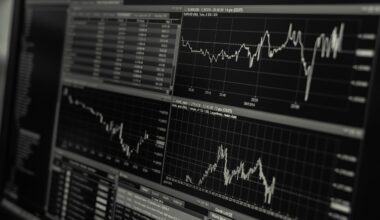
The world of market performance reporting is undergoing a significant transformation, driven by technological advancements that redefine traditional practices. Organizations now leverage innovative tools and platforms to gather, process, and analyze data on market trends, consumer behavior, and competitive landscape. This shift is largely attributed to the rise of big data analytics, machine learning, and automation. By implementing these technologies, businesses can obtain real-time insights that were once unimaginable. Enhanced data visualization methods also play a vital role in translating complex statistics into understandable formats. This improved accessibility not only aids internal decision-making processes but also boosts external stakeholder engagement. Furthermore, technology facilitates better collaboration among teams, breaking down silos and ensuring everyone works toward a common goal. The convergence of finance and technology has consequently elevated reporting standards, allowing organizations to adapt quickly to market changes and consumer expectations while maintaining compliance with regulatory requirements. The synergy of tech and finance reflects a future with greater transparency and accuracy in reporting, fostering trust with stakeholders across various industries. Consequently, organizations embracing such technologies are better positioned for success in today’s dynamic and competitive market.
The introduction of Artificial Intelligence (AI) into market performance reporting provides another compelling advantage. AI-powered tools enhance forecasting capabilities by analyzing vast amounts of historical data to identify patterns and predict future trends, facilitating proactive decision-making. Machine learning algorithms can continuously improve their predictions over time as they process new data. Moreover, AI effectively automates routine reporting tasks, reducing human error and freeing analysts to focus on high-value strategic initiatives. This dynamic shift allows financial professionals to craft insights rather than spend excessive time on data gathering and analysis. Natural Language Processing (NLP), a subset of AI, is revolutionizing the way reports are generated. By generating comprehensive narratives from data sets, NLP tools can create clear and concise reports that highlight key findings without overwhelming stakeholders. This not only saves time but also improves the clarity of communication. Moreover, the incorporation of chatbots into reporting systems fosters instant communication, enabling stakeholders to access critical information when needed. As businesses increasingly recognize the potential of AI in reporting, investment in these technologies will likely grow, targeting efficiency and continuous improvement.
Cloud computing significantly enhances the capabilities of market performance reporting systems. It offers an agile and scalable infrastructure essential for storing and processing large datasets. Organizations no longer need to invest heavily in physical hardware; instead, they can use cloud-based solutions that adapt to their needs and enhance accessibility for remote teams. With real-time data storage and processing capabilities, key business metrics can be updated instantaneously, offering stakeholders up-to-date information whenever required. As a result, cloud technology ensures that teams can make informed decisions quickly, avoiding delays created by manual reporting methods. Additionally, data security in the cloud has evolved, implementing robust encryption measures and access controls to protect sensitive financial information. The collaborative nature of cloud services also fosters teamwork by enabling multiple users to access and analyze data simultaneously from various locations. Thus, financial teams can create more comprehensive reports that are reflective of diverse perspectives. As market conditions fluctuate, organizations that embrace cloud technology will be well-equipped to adapt and respond with agility, ensuring compliance with regulations while enhancing overall organizational performance.
The Impact of Real-Time Data Reporting
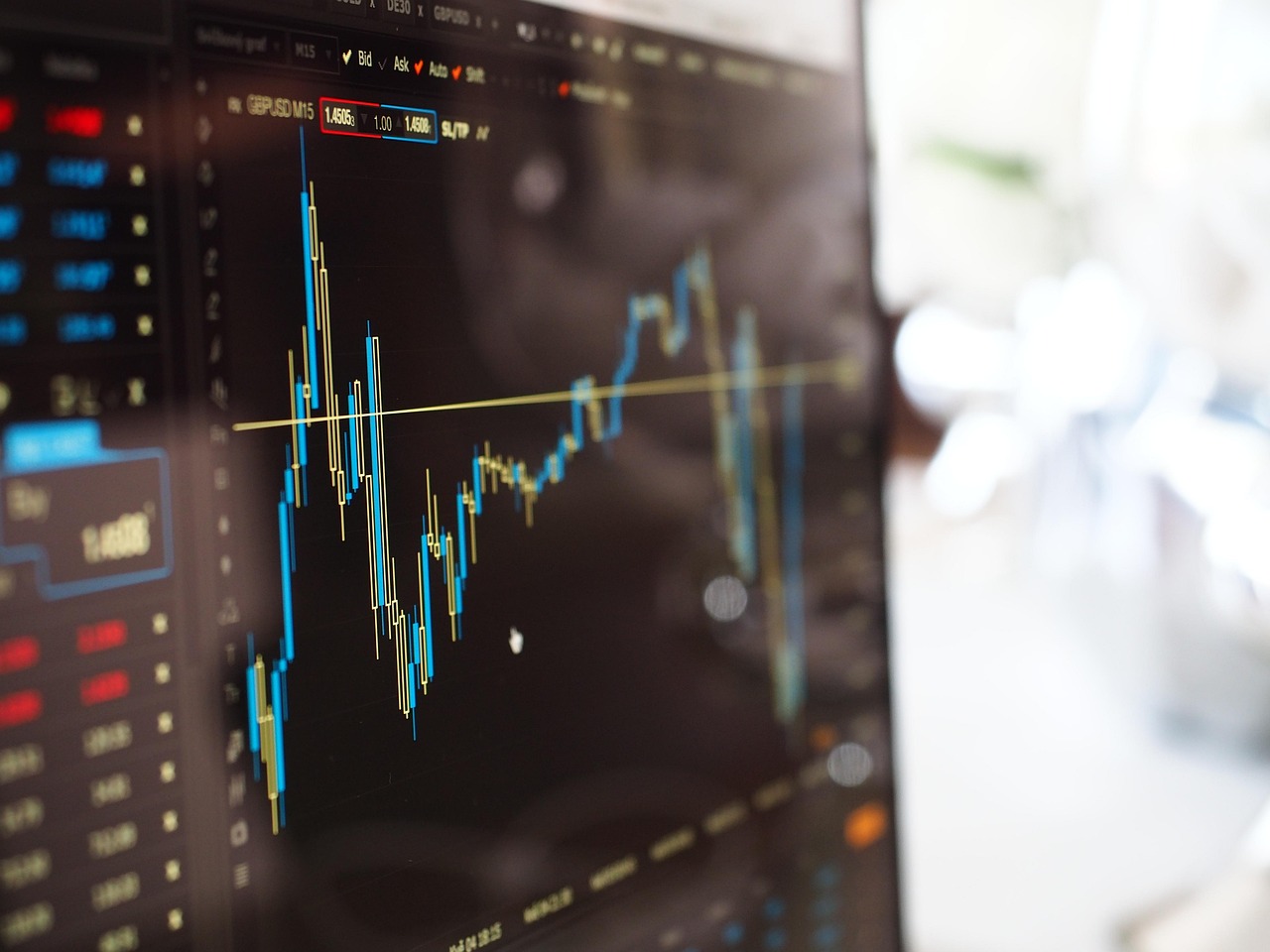
Real-time data reporting has fundamentally altered the landscape of market performance analysis, enabling businesses to respond promptly to market fluctuations. Historically, companies often relied on periodic reports which provided insights based on older data, rendering them less relevant in rapidly changing market scenarios. With the integration of advanced technologies, organizations can now access current market data, allowing for timely and informed decision-making. Stakeholders can track metrics and analyze trends as they emerge, enabling immediate adjustments to strategies as required. This shift leads to increased agility within teams, empowering them to anticipate changes rather than react after the fact. Moreover, the incorporation of real-time reporting fosters a culture of transparency and accountability. Teams and stakeholders alike can maintain visibility into performance metrics, thereby aligning objectives more effectively. Enhanced feedback mechanisms driven by real-time data allow organizations to refine products and services based on consumer needs instantly. As competition heightens, those who prioritize real-time data reporting stand to gain a significant edge, ensuring they remain relevant and proactive in their market engagement.
The integration of Business Intelligence (BI) tools into market performance reporting also empowers organizations to create richer, more impactful reports. BI systems facilitate in-depth analyses of market trends, customer preferences, and financial performance metrics. These tools bring together disparate data sources, allowing for seamless integration and comprehensive insights. They empower decision-makers with interactive dashboards that present visualized data, presenting complex information in digestible formats. As a result, teams can identify areas for growth or improvement quickly, leading to enhanced operational efficiency and profitability. The ability to perform ‘what-if’ analyses also lends itself to better strategic planning. Organizations can simulate various scenarios based on historical data and market forecasts, enabling them to evaluate the potential impact of decisions before implementation. Furthermore, BI tools can cater to personalized reporting needs for stakeholders, ensuring each individual accesses the most relevant information. This adaptability strengthens collaboration across teams and fosters an environment of innovation, as data-driven insights encourage creative problem-solving and informed strategies that ultimately pave the way for sustained market success.
Data privacy and security are paramount concerns in market performance reporting, especially as technology continues to evolve. Organizations face numerous regulatory requirements aimed at protecting sensitive financial information. Therefore, implementing strict security measures within reporting systems is essential. Technology provides myriad solutions such as encryption, two-factor authentication, and access control mechanisms to safeguard data integrity. Employing these measures reassures stakeholders that their financial data is secure, fostering trust and transparency. Additionally, organizations can regularly conduct internal audits and assessments of their data security frameworks. This proactive approach assists in identifying potential vulnerabilities and allows for timely remediation. With the rise of cyber threats, the importance of data risk management cannot be overstated. Companies that prioritize security in their reporting processes not only safeguard against data breaches but also enhance their overall market reputation. By demonstrating a commitment to data integrity and protection, they can foster stronger relationships with investors and stakeholders. Hence, a combination of technological advancements in security measures alongside a comprehensive governance strategy is crucial to thriving in a competitive market landscape.
Future Trends in Market Performance Reporting
The future of market performance reporting is poised for continued innovation, driven by advancements in technology. Emerging technologies such as blockchain are beginning to gain traction in financial reporting, providing immutable records that enhance transparency and traceability. Blockchain’s decentralized nature allows for real-time verification of data, which can help in preventing fraud and ensuring accurate reporting. Moreover, the shift toward integrating Artificial Intelligence and machine learning will enable more predictive analysis, equipping financial analysts with tools to foresee market changes. These technological evolutions will streamline reporting processes further, minimizing the time spent on manual data entry and enabling professionals to focus on strategies for growth. The reliance on automated and continuous reporting systems will likely become standard practice as businesses recognize the efficiency and accuracy benefits. Furthermore, companies may increasingly adopt sustainability-focused reporting frameworks, showcasing their commitment to socially responsible practices to attract conscientious investors. In conclusion, the merging of technology with market performance reporting not only enhances operational efficiency but also prepares organizations for future challenges. The ongoing adaptation to technological advancements is essential for sustainable growth and competitiveness.
In conclusion, technology plays a pivotal role in revolutionizing market performance reporting across various dimensions. From real-time data analytics to business intelligence tools, every advancement contributes toward a more profound understanding of market dynamics. Organizations that embrace these technological solutions are better equipped to navigate complex market conditions and foster robust stakeholder relationships. The synergy between finance and technology continues to evolve, encouraging innovative approaches to reporting and analysis, ultimately empowering businesses to remain competitive and relevant in the global market. By adopting strategic technologies, companies can optimize their reporting processes, enhance accuracy, and focus more on strategic decision-making rather than rote data management. Furthermore, the emphasis on data security highlights the importance of trust in financial reporting, enabling organizations to build credibility in the eyes of their stakeholders. As we move forward, the adoption of emerging technologies like AI and blockchain will significantly shape the future of market performance reporting. Organizations that prioritize technological investments in reporting are likely to achieve sustained growth, harnessing real-time insights for impactful decision-making. In a fast-paced market environment, leveraging technology is no longer optional; it has become a necessity for long-term success.