
How Peer-to-Peer Payments Are Disrupting the Lending Industry
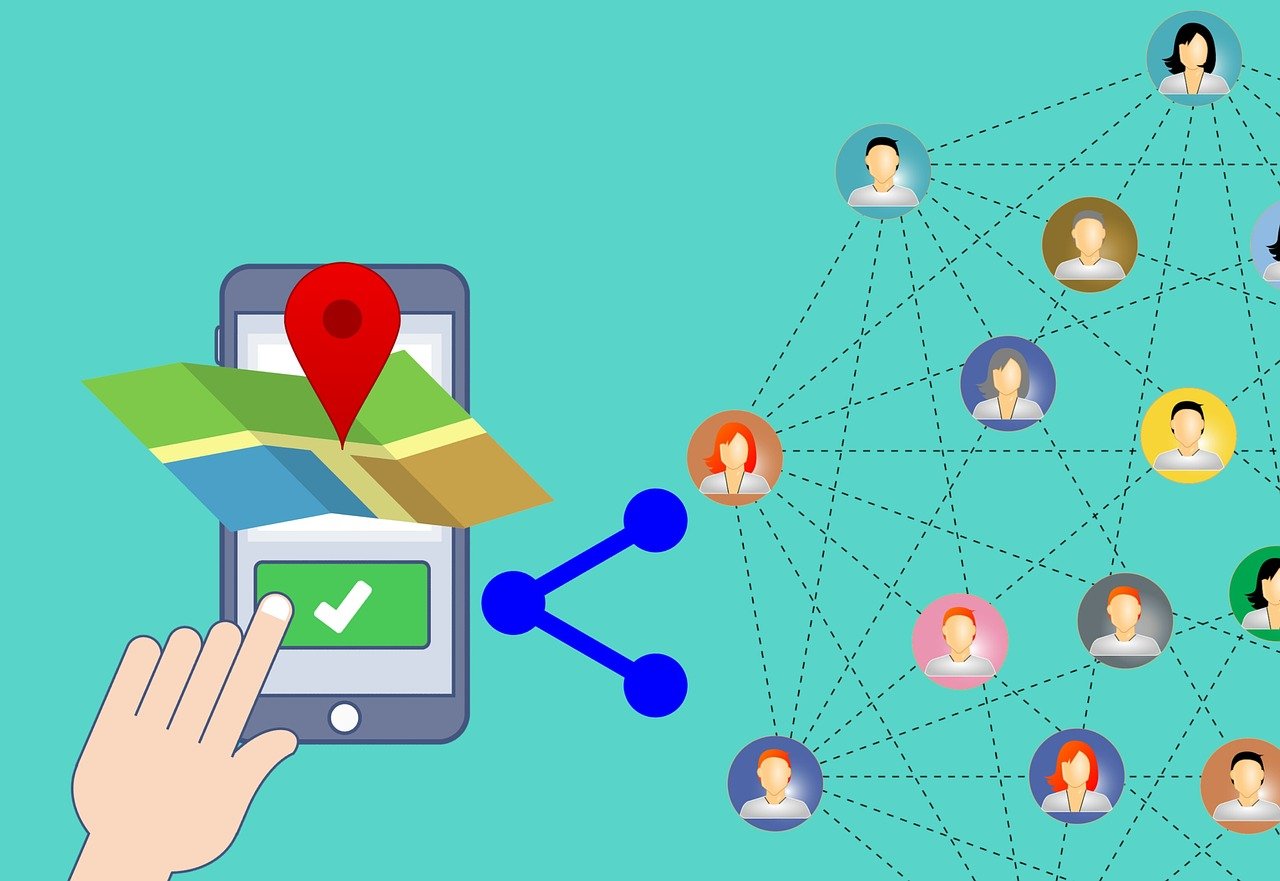
The rise of peer-to-peer (P2P) payments has transformed how individuals interact financially. With the introduction of platforms like Venmo, PayPal, and Cash App, users can transfer money seamlessly, eliminating intermediaries. This shift has profound implications for the lending industry, allowing for greater access to funds and reshaping traditional finance dynamics. P2P technology reinforces the power of social connections, enabling people to borrow money directly from friends or family without the encumbrance of banks. Consequently, personal relationships become central to the lending process. People can confidently lend to each other based on trust and social bonds rather than relying on institutional authority. The ease of use and accessibility offered by these platforms is a crucial driver in the disruption of traditional lending processes. Individuals can bypass lengthy approval times and cumbersome paperwork by using P2P payments. Borrowers can obtain loans through their social networks, and lenders can earn returns from their peers. This shift creates a more inclusive financial landscape that caters to those who may otherwise struggle through conventional banking avenues, potentially redefining financial empowerment and community engagement.
As peer-to-peer payment systems gain popularity, they also bring unique challenges to the traditional lending landscape. While P2P loans can connect individuals, risks arise regarding trust and liability. Financial education becomes pivotal in these transactions; parties must understand repayment terms and potential implications. Disagreements and defaults could strain personal relationships, highlighting the importance of clear agreements. Moreover, regulatory implications loom large as these systems evolve. Financial authorities are starting to examine the implications of P2P lending platforms, considering consumer protection and compliance. Consumers may lack awareness of their rights and responsibilities, leading to potential pitfalls. As new technology continues to emerge, lenders and borrowers alike must educate themselves about the risks involved while engaging in peer-to-peer transactions. These challenges may limit the scalability of P2P payments in lending, as awareness and education play a crucial role in ensuring safe practices. Users must remain vigilant and informed as they navigate this new financial terrain, prioritizing risk assessments and legalities. The future will depend on striking a balance between innovation and consumer protection as P2P lending matures in the financial ecosystem.
P2P Payments and Consumer Behavior
Peer-to-peer payments are reshaping consumer behavior, fundamentally altering the approach people take towards borrowing and lending. Traditional models of borrowing involved banks, often generating feelings of apprehension among potential borrowers. However, as technology facilitates direct transactions between individuals, trust within networks becomes a cornerstone. Consumers are transitioning from a mindset that relies on institutions to a more social-oriented perspective. This shift is evident in how people perceive loan requests; rather than seeing it as a transactional burden, they view it as an opportunity to help friends and build community. This change can lead to increased loan activity within social circles, helping individuals meet financial needs quickly. Additionally, data collected from P2P services reveal insights into borrower preferences, spending habits, and repayment behaviors. By analyzing these trends, financial institutions can adapt their offerings to better serve the evolving market. The rise of social media and digital communication further amplifies this phenomenon, enabling users to discuss lending experiences, share recommendations, and celebrate successful transactions. Overall, peer-to-peer payments are influencing the social fabric of lending and payment behaviors, emphasizing community over commerce.
Furthermore, the integration of technology into peer-to-peer payments is attracting younger borrowers who prioritize speed and convenience. Millennials and Generation Z are growing accustomed to instant transactions, pressing for systems that deliver immediacy. P2P platforms meet these needs by offering easy, fast, and often fees-free transactions. As these younger generations gravitate towards digital solutions, they inadvertently challenge the traditional lending models that rely on established institutions. The P2P loan process eliminates time-consuming approvals and allows borrowers to access funds quickly. This efficiency is particularly appealing during emergencies or when unexpected expenses arise. Risk assessment within P2P transactions often differs, reflecting the shift towards more personal double-checks versus traditional credit scores. Users prefer relying on social connections, further cultivating a lending culture based on trust. Additionally, the role of social media cannot be understated; these platforms enable users to share experiences, advice, and feedback regarding lending practices. Community forums supporting P2P lending can facilitate discussions that highlight best practices and potential pitfalls. Consequently, the effort to understand individual consumer behavior becomes vital amidst this sector’s ongoing evolution.
The Role of Technology in P2P Lending
Technology plays a transformative role within the realm of peer-to-peer lending, enabling platforms to function effectively. The increased availability of smartphones and apps facilitates user engagement, simplifying the loan-seeking and lending process. In addition to lowering barriers to entry, technology provides enhanced risk assessment tools through data analytics. P2P platforms can analyze user behavior, creditworthiness, and social interactions to determine loan eligibility. Using algorithmic decision-making, these platforms streamline the process while reducing reliance on traditional credit scoring. As users complete transactions, they generate valuable data, further enriching the platforms’ understanding of risk and lending trends. Through machine learning and artificial intelligence, P2P platforms consistently evolve their services to adapt to user needs, making the lending process faster and more reliable. Blockchain technology is another trend surfacing in P2P lending, adding layers of transparency and security to transactions. Additionally, as more lenders enter the market, competition drives innovation amongst platforms, resulting in improved user experiences. Thus, technology serves as the backbone of P2P lending, creating opportunities for unprecedented growth and financial inclusivity.
As the peer-to-peer payments landscape flourishes, numerous benefits arise for both borrowers and lenders. For borrowers, accessing necessary funds without traditional banking hurdles represents a game-changer. By borrowing from peers, individuals can potentially negotiate favorable terms and avoid excessive interest rates often attached to conventional loans. This concept encourages borrowers to maintain strong relationships with their lenders to foster mutual trust. Conversely, lenders enjoy the opportunity to realize returns on their investments while aiding their community. P2P lending cultivates a sense of solidarity among users, reinforcing social ties between them. By engaging in this lending dynamic, individuals feel more connected to those around them and invested in each other’s financial success. This sense of community can lead to increased overall financial literacy, as users share knowledge and best practices related to loans and repayments. Moreover, users can evaluate risk by observing others’ borrowing and lending experiences. Social feedback loops established through P2P platforms strengthen the model as participants guide one another toward responsible financial conduct. In summary, peer-to-peer lending encapsulates not just a financial transaction, but also a movement toward a more community-centered economy.
Challenges and Risks of P2P Lending
Despite the advantages, peer-to-peer lending is not without its array of challenges and risks that participants must navigate. One critical issue is the potential lack of regulation governing these transactions, leading to unregulated lending practices that could harm borrowers. As individuals lend without institutional oversight, they may inadvertently expose themselves to greater risks, including potential defaults. Evaluating the credibility of borrowers becomes challenging, especially when participants lack thorough credit assessments. Furthermore, emotional investing can complicate lending decisions, as personal ties may cloud judgment. While social lending emphasizes trust, unrealistic expectations may lead to financial strain on both parties involved. Additionally, disputes may arise regarding repayment terms or misunderstandings about lending agreements, placing further strain on relationships. Users need a clear understanding of each transaction’s parameters to avoid conflicts. Also, technological vulnerabilities may expose participants to data breaches or fraud via unsecured platforms. Protecting sensitive information remains a top priority as the digital realm expands. Hence, while P2P lending represents a promising evolution in finance, careful consideration of risks and challenges is crucial for sustainability.
In conclusion, peer-to-peer payments are fundamentally reshaping the lending industry, driven by technology and changing consumer attitudes. The convenience and accessibility of P2P platforms have liberated individuals from traditional banking processes, enabling them to lend and borrow with ease. Social connections highlight an essential attribute of lending, fostering relationships that prioritize trust and mutual support. As younger generations embrace these technologies, traditional lending institutions face new competition and pressure to adapt. However, with convenience comes complexity; individuals must navigate the evolving landscape of regulation, risk, and financial literacy to thrive. P2P lending cultivates a culture based on shared experiences and community engagement, but both borrowers and lenders need to understand the intricacies involved. As platforms innovate and introduce new features, users should remain informed participants who actively protect themselves in these transactions. Through awareness and education, the financial empowerment promised by peer-to-peer payments can be realized, allowing individuals to redefine their personal finance journeys. Ultimately, this is more than just a transactional shift; it’s a cultural movement toward a more interconnected economic future.