
The Connection Between Financial Goals and Credit Score Improvement
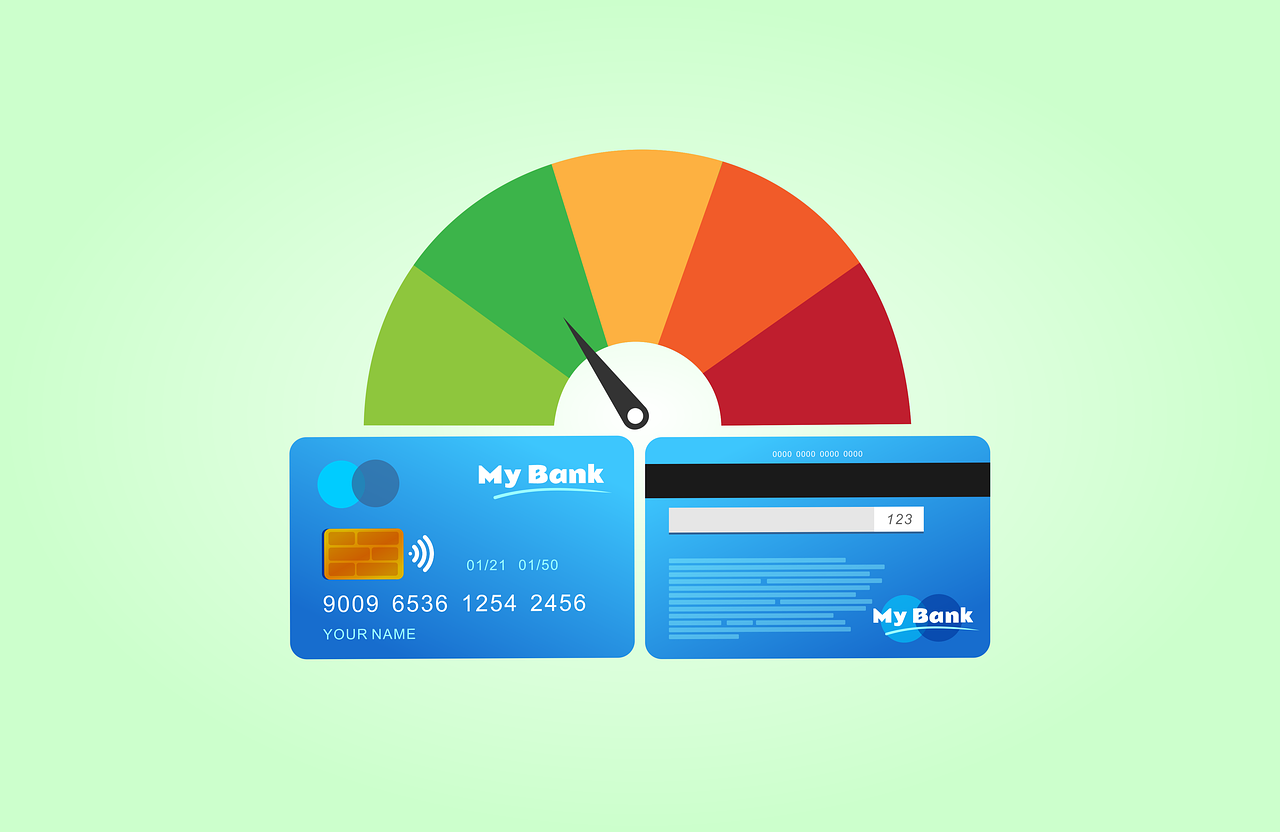
Understanding the link between financial goals and credit scores can be transformative. Financial goals, whether short-term or long-term, align closely with credit score management. A well-defined financial goal can assist in improving your credit score effectively over time. It is crucial to recognize the importance of credit scores in developing a holistic financial strategy. Good credit scores not only facilitate loan approvals but also lower interest rates, leading to substantial savings. Setting specific, measurable objectives related to credit management is essential. Goals such as reducing credit card debt, making timely payments, and controlling spending lay a strong foundation for credit score enhancement. By prioritizing these objectives, individuals can build a better understanding of their credit wherewithal. Moreover, the psychological aspect of setting goals fosters discipline in financial behavior. As you track progress, staying motivated becomes easier. Ultimately, improved credit health reflects the achievement of these goals, culminating in greater financial stability. Therefore, regularly revisiting and refining these goals can help maintain focus on enhancing your financial standing.
Setting SMART Financial Goals
To effectively enhance your credit score through goal setting, employ the SMART framework. SMART stands for Specific, Measurable, Achievable, Relevant, and Time-bound. Specific goals remove ambiguity and define clear objectives. For instance, rather than simply aiming to ‘improve credit scores’, specify a target score you wish to achieve within a set timeframe. Measurable goals enable you to track your progress. Regularly monitoring your credit score through free credit reporting services can keep you informed. Achievable goals avoid unrealistic expectations and ensure you set attainable benchmarks. Setting a goal of increasing your score by a certain number of points over six months is practical. Relevant goals address your unique circumstances and financial aspirations. Time-bound goals help create urgency, motivating you to act before deadlines. For example, setting a goal to reduce outstanding debts by 20% in a year can be more effective. With a well-structured timeline, it’s easier to remain dedicated. Embracing the SMART criteria can significantly simplify your financial journey and lead to improved credit scores.
Another critical aspect of setting financial goals pertains to managing credit utilization effectively. Credit utilization refers to the ratio of your credit card balances to your credit limits. Keeping this ratio below 30% is ideal for maintaining a healthy credit score. Financial goals centered around credit utilization aim to lower existing balances while maintaining discipline on new charges. Creating a repayment plan that factors in your monthly budget allows you to make substantial contributions towards paying down debts systematically. In addition, implementing stricter spending controls on credit cards assists in avoiding unnecessary debt accumulation. Assess your monthly expenses, and categorize them into necessary and discretionary spending. Doing so can help you identify potential savings to allocate towards debt repayment. Furthermore, automating monthly payments ensures timely remittances, reducing the likelihood of missed payments. Missed payments can significantly impact your credit score, so establishing a solid payment routine is essential. Alternatively, set up alerts to remind you of upcoming payment due dates. Through diligence in monitoring credit utilization and payment history, your financial goals can truly reflect in an improved credit score.
The Role of Timely Payments
Establishing timely payments as a top priority can significantly impact your credit score and financial goals. Payment history constitutes a significant portion of your overall credit score, making it crucial for anyone seeking to enhance their financial standing. By setting up reminders or utilizing automated payments, you can ensure you never miss a due date. Additionally, create a calendar marking all payment deadlines to visualize your obligations easily. Each on-time payment builds your credit profile positively and establishes a trustworthy reputation with creditors. Delayed payments lead to penalties, additional interest, and lasting damage to your score. To further enhance your credit health, consider making multiple payments throughout the month rather than waiting for the due date. This strategy lowers your reported balance and can exemplify responsible credit usage. Furthermore, educating yourself about the various payment due dates for each account can help alleviate confusion. Being proactive about your payment strategy can yield remarkable rewards. Over time, consistently meeting your financial obligations not only stabilizes your credit score but enhances your overall financial well-being.
Another important aspect that can greatly affect credit score improvement is managing credit inquiries. When you apply for credit, lenders conduct hard inquiries that can temporarily lower your score. Frequent applications can further hurt your credit. Therefore, it is prudent to limit the number of credit accounts you apply for within a short timeframe. Setting a financial goal focused on minimizing credit inquiries can help maintain a robust credit profile. Consider a soft inquiry to check your credit score before applying for credit, as soft inquiries do not affect your credit score. Regular access to your report helps you identify areas where improvement is necessary and ensures you remain informed of your current status. Research potential lenders and understand their standards before making inquiries. Gaining knowledge about which lenders are most likely to approve your application enhances your ability to make successful credit applications. By focusing on targeted inquiries and improving your score in specific areas, you take control of your credit journey. Ultimately, diligent management of your inquiries plays a vital role in achieving your financial goals.
Building a Diverse Credit Portfolio
Another critical component of enhancing your credit score involves building a diverse credit portfolio. Lenders favor individuals showcasing responsible credit management across various types of accounts. For this reason, setting goals to diversify your credit mix can bolster your score over time. If you primarily have credit cards, consider incorporating different types of credit, such as an installment loan or a mortgage. However, it is essential to approach this strategically, as unnecessary credit applications can harm your score rather than improve it. Instead, focus on acquiring new credit only when required. For instance, if purchasing a car becomes essential, shop for loans while being mindful of inquiries within a short period. Diversity extends beyond merely accumulating accounts—it involves consistent management of existing debts. A balanced credit portfolio demonstrates your ability to handle various types of debt. Additionally, maintaining older accounts for a more extended period contributes to enhancing your score. By establishing these goals and following through with strategic planning, an improved credit portfolio can result in stronger financial health.
Lastly, regularly reviewing credit reports and staying informed about credit score factors can also influence goal achievement. Understanding the aspects that impact your score enables effective financial planning. Factors like payment history, credit utilization, length of credit history, types of credit, and recent inquiries collectively define your score. By setting goals to review your report annually or quarterly, you stay proactive about your financial situation. Not only does monitoring your credit allow you to identify areas for improvement, but it also empowers you to dispute inaccuracies promptly. To access your credit report, utilize resources such as AnnualCreditReport.com for free reports from the three major bureaus. Being aware of your credit mix and addressing issues can prevent negative surprises down the line. Furthermore, remaining educated about changes in the credit reporting landscape is essential. By staying up-to-date, you ensure your goals remain relevant and actionable. Ultimately, taking charge of your finances through knowledge will significantly elevate your journey toward an improved credit score and achieving your financial aspirations.
In conclusion, the intricate connection between financial goals and credit score improvement is undeniable. By incorporating goal-setting techniques and practicing disciplined credit management, anyone can work towards achieving better scores. The journey begins with identifying distinct, achievable goals that support broader financial aspirations. Applying frameworks like SMART ensures your objectives are clear and actionable. Concurrently, cultivating habits such as timely payments, proper credit utilization, and diverse credit portfolios provides a solid foundation for success. Leveraging credit inquiries strategically serves to reinforce good habits while mitigating risks. Regular review of credit reports keeps you engaged in your financial wellness journey. By remaining informed and proactive, you’ll ensure that your financial goals align seamlessly with the pursuit of improved credit standing. Always remember that responsible financial behavior can yield significant dividends not only for your credit score but for your overall financial health. Ultimately, cultivating a comprehensive understanding of your credit landscape prepares you for a successful financial future. Remaining dedicated to these principles will pave the way towards fulfilling your financial dreams and aspirations.