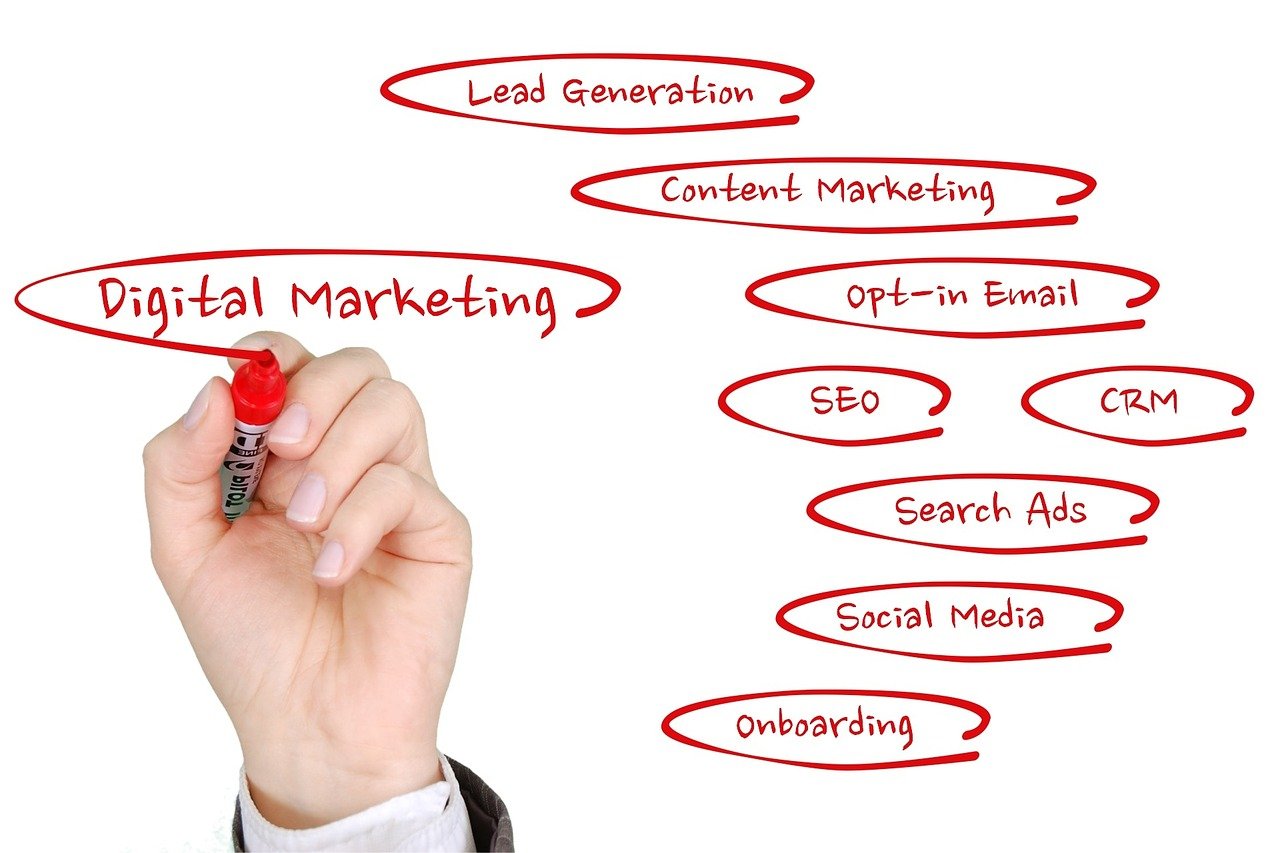

Digital Marketing Strategies Aligned with Business Goals
In today’s dynamic business landscape, aligning digital marketing strategies with overarching business goals is crucial for success. This alignment ensures that marketing efforts not only boost visibility but also contribute to measurable outcomes. By integrating clear objectives, organizations can devise focused campaigns that resonate with their target audience. This approach facilitates the tracking of progress towards goals while allowing businesses to adjust their strategies based on real-time feedback. In essence, every digital marketing action should be purpose-driven to foster growth. Moreover, leveraging various platforms can enhance engagement, ensuring that marketing messages reach potential customers where they are most active. Digital marketing channels include social media, email, content marketing, and search engine optimization (SEO). A multi-channel approach can amplify outreach and create cohesive brand messaging. By continuously analyzing data and adjusting tactics, businesses can optimize their performance and ROI. Developing a digital marketing strategy aligned with specific goals ultimately positions the company for sustained success in a competitive environment. Furthermore, incorporating customer input can refine strategies and innovations, leading to higher satisfaction. It’s about creating value at every touchpoint in the customer journey.
Understanding the target audience is vital in crafting effective digital marketing strategies. Creating detailed buyer personas allows marketers to tailor their approaches based on demographics, interests, and behaviors. This precision enables campaigns to deliver more relevant content, fostering connections that drive engagement and conversions. Businesses should invest in market research to gather insights about their audience’s preferences and pain points. Additionally, segmenting audiences can lead to personalized messaging, enhancing the overall customer experience. Utilizing analytics tools is essential to gain actionable insights, allowing businesses to adapt their strategies in real time. A data-driven approach helps identify which channels yield the best results and informs future marketing decisions. Furthermore, A/B testing is an effective method to optimize campaigns, ensuring internal resources are utilized effectively. It is also important to stay updated with industry trends and changes in consumer behavior, as these factors influence marketing success. Ultimately, understanding the audience fosters a marketing strategy that resonates deeply, enhances brand loyalty, and ultimately drives sustainable growth for the business.
Content Marketing as a Key Component
Content marketing plays a significant role in aligning digital strategies with business goals. By creating valuable, relevant content, businesses can position themselves as industry thought leaders. This not only builds authority but also attracts and retains a clearly defined audience. The content should address the needs and interests of potential customers, enhancing the likelihood of conversions. Types of content include blogs, ebooks, videos, and infographics that serve different stages of the buyer’s journey. Furthermore, incorporating SEO strategies within content marketing can improve visibility, driving organic traffic to the company’s website. Engaging content that provides solutions can increase dwell time and reduce bounce rates. Additionally, sharing content on social media platforms amplifies reach and encourages interaction. Consistency in publishing content reinforces messaging and keeps the audience engaged over time. By measuring engagement through metrics such as shares, likes, and comments, businesses can assess the effectiveness of their content marketing strategies and make necessary adjustments. Ultimately, adopting a strategic approach to content marketing that aligns with business goals can result in increased brand awareness, customer loyalty, and overall profitability.
Search Engine Optimization (SEO) is another critical element ensuring that digital marketing strategies align with business goals. By optimizing website content for search engines, businesses enhance their chances of appearing at the top of search results. This visibility translates into increased organic traffic, which can lead to higher conversion rates. Implementing effective SEO practices involves researching keywords that potential customers use in their searches. Furthermore, websites must be optimized for mobile devices to accommodate the growing number of users accessing the web via smartphones. A well-structured website that provides a great user experience encourages visitors to stay longer. This reduces bounce rates and increases the likelihood of conversions. Additionally, creating backlinks from reputable sites improves credibility in search engine algorithms. As search engine algorithms evolve, businesses must remain agile to incorporate new strategies that boost their rankings. Regularly assessing website performance and adhering to best practices leads to continuous improvement in SEO efforts. Aligning SEO strategies with business goals ultimately lays a strong foundation for sustained online visibility and growth.
Utilizing Social Media Platforms
Social media platforms are invaluable tools for aligning digital marketing strategies with business objectives. They provide businesses with the ability to interact directly with customers, fostering engagement and building a community around the brand. Leveraging platforms like Facebook, Instagram, LinkedIn, and Twitter, organizations can share content, promotions, and updates that resonate with their audience. Social media operates on a two-way communication model, allowing brands to receive immediate feedback and engage in conversations. Running targeted advertisements can reach specific demographics, maximizing marketing budgets. Collaborating with influencers can also expand reach and enhance credibility among potential customers. Furthermore, social media analytics offer insights into audience behavior, paving the way for data-driven decisions. Establishing a social media calendar ensures regular posting, maintaining rapport with the audience. Unique campaigns can create buzz and drive traffic to the website, elevating brand awareness. Consistency in messaging across social media platforms reinforces brand identity, creating an omnichannel experience that aligns with overall business goals. It’s about creating meaningful interactions that lead to long-term loyalty and conversions.
Email marketing remains a powerful tool that aligns digital marketing efforts with business goals. It allows businesses to communicate directly with customers and potential clients, delivering personalized content to their inbox. Crafting targeted email campaigns based on customer preferences enhances the likelihood of open rates and conversions. Utilizing segmentation, marketers can tailor messaging to suit different audience groups, resulting in higher engagement. Regular newsletters can keep existing customers informed about new products, services, and promotions, fostering continued relationships. Additionally, automated email responses can nurture leads effectively over time. Including strong calls-to-action encourages recipients to take desired actions, driving traffic to the website. Furthermore, analyzing email performance metrics provides insights into campaign effectiveness, allowing adjustments for future efforts. A/B testing different subject lines, content styles, and send times can optimize overall performance, ensuring marketing strategies are evolving. Incorporating feedback loops, where customers can express preferences, aligns email campaigns with their interests, enhancing relevance. Ultimately, a robust email marketing strategy creates a channel for consistent communication that builds trust and generates sales.
Performance Measurement and Adjustment
Measuring the performance of digital marketing strategies is essential for ensuring alignment with business objectives. Using tools like Google Analytics, businesses can track website traffic, user behavior, and conversion rates. This data provides valuable insights into which strategies are working and which need refinement. Establishing key performance indicators (KPIs) aligned with business goals enables a clear understanding of progress. Regularly reviewing these metrics allows teams to detect trends and shifts in consumer behavior early. By employing a test and learn approach, organizations can experiment with new tactics while continuing to scale successful ones. Additionally, feedback from customers can guide further improvements, fostering a culture of continuous enhancement. Adjusting strategies based on performance data ensures resources are allocated efficiently, maximizing marketing effectiveness and return on investment. It is crucial to remain flexible, adapting to new market conditions and consumer preferences. The digital landscape is in constant flux, requiring marketers to stay informed about industry changes. Ultimately, a focused effort on performance measurement and strategic adjustments ensures that digital marketing efforts remain aligned with evolving business goals.
In conclusion, developing digital marketing strategies that align with business goals is a complex yet rewarding endeavor. To succeed, businesses must understand their target audience deeply, embrace a multi-channel approach, and continuously measure performance. Creating valuable content, optimizing for search engines, and leveraging social media and email platforms fosters connections with customers. Regular evaluation and adjustment based on data-driven insights strengthen these strategies. As companies adapt to the dynamic market landscape, they must remain committed to delivering value and meeting customer needs. Furthermore, stakeholder buy-in is vital for the success of these initiatives, ensuring that everyone is aligned. Integration across departments can streamline efforts and enhance the customer experience. The ability to innovate while adhering to strategic objectives ultimately differentiates successful businesses from their competitors. This structured approach not only drives growth but sustains it in an increasingly competitive environment. By investing in their digital marketing efforts and aligning them with overarching business goals, organizations can improve their brand presence and customer loyalty. A well-aligned digital marketing strategy is key to navigating the business landscape and achieving long-term success.