
The Role of Infrastructure in Trade Facilitation
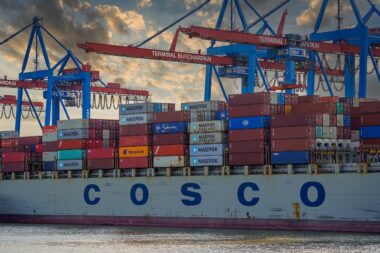
Infrastructure plays a critical role in facilitating international trade and investment linkages. It encompasses various components, such as transport systems, logistics, and communication networks. Efficient infrastructure reduces the costs associated with transporting goods and services across borders. This efficiency encourages foreign direct investment (FDI), as companies seek out regions with reliable infrastructure. As nations enhance their infrastructure, they create more favorable environments for businesses, fostering economic growth and development. Key infrastructural elements include ports, airports, and highways, which serve as operational gateways for trade. Moreover, digital infrastructure, such as internet connectivity and technology, is increasingly important in today’s global economy. It facilitates e-commerce, allowing businesses to connect with international markets. As a result, nations investing in both physical and digital infrastructure can significantly improve their trade competitiveness. This laying down of robust infrastructure paves the way for diversification of economies, helping countries become less dependent on specific industries. Ultimately, it enhances overall trade volumes, positively impacting employment and income levels within those economies.
With increased global economic interdependence, countries must recognize the impact of infrastructure on trade. A nation’s ability to transport goods efficiently greatly influences its position in international markets. Effective infrastructure not only boosts export potential but also enables countries to import essential goods with minimal delays and disruptions. Countries that invest in better roads, railways, ports, and airports often experience improved trade balances. Moreover, the enhancement of logistic services is paramount, as this streamlines the entire supply chain. This efficiency contributes to faster delivery times and reduced shipping costs. A well-developed infrastructure creates an inviting atmosphere for foreign investors, which translates into new business opportunities and technological transfers. The interrelation between infrastructure and trade becomes increasingly evident as nations strive for economic development. Those who prioritize infrastructure development often see higher levels of investment, trade growth, and overall economic prosperity. By synergizing investments in infrastructure with trade policies, countries can maximize their economic potential, positioning themselves strategically in the global market. Such developments benefit society by enhancing accessibility and connectivity, improving the quality of life for residents across diverse sectors.
Addressing Infrastructure Gaps
Despite the recognized importance of infrastructure, many countries still encounter significant gaps. Particularly in developing regions, inadequate infrastructure hampers trade efficiency. Addressing these gaps requires targeted investments and strategic planning. Policymakers must prioritize upgrades to existing facilities and the construction of new ones. Innovative financing mechanisms, such as public-private partnerships (PPPs), can help mobilize resources for infrastructure projects. Additionally, governments should work with international organizations to understand best practices and prioritize investments that yield the greatest returns. Integrating sustainability into infrastructure development is crucial; projects must consider environmental impacts and prioritize long-term viability. By fostering inclusive infrastructure growth, countries can create job opportunities and elevate standards of living while stimulating trade. Moreover, governments can develop comprehensive networks connecting rural areas to urban markets, ensuring that interventions are equitably distributed. Such connectivity is critical for agricultural producers seeking to reach broader markets. By investing in the appropriate frameworks, countries will develop more robust trade and investment linkages, hence attracting additional interest from global investors looking for stable and growth-oriented environments in which to operate.
The technological advancement of infrastructure also plays a significant role in enhancing trade. Modern infrastructure relies not only on physical components but also on digital innovations. Technologies like blockchain are transforming supply chain management by improving transparency and reducing costs. Furthermore, automated systems in customs processing expedite the clearance of goods, thus reducing delays. Countries adopting such technologies often see increased trade volumes and efficiency in logistics operations. The integration of smart technologies in logistics helps in real-time tracking, leading to better inventory management and customer satisfaction. The emphasis on adopting cutting-edge technology in infrastructure development is essential. It allows for the harnessing of valuable data that helps organizations optimize their supply chains. Countries investing in technology-driven infrastructure thus position themselves as leaders in global trade. Moreover, improving education and training in technology-related fields bolsters workforce capabilities. A skilled workforce is invaluable for maintaining and advancing efficient trade infrastructure. Lastly, the collaboration between government, private sectors, and educational institutions ensures that nations can keep pace with rapidly changing technological landscapes, solidifying their trade relationships on the global stage.
Public and Private Sector Collaboration
Effective collaboration between public and private sectors is vital to enhancing trade-related infrastructure. This synergy ensures both sides contribute their strengths, resulting in innovative solutions and resource optimization. Governments should create a conducive environment for private investments through regulatory frameworks that incentivize commitment to infrastructure projects. Public agencies can provide essential data and expertise while private companies bring funding, technology, and operational efficiency. Joint ventures and partnerships enable stakeholders to address complex infrastructure challenges while maximizing overall performance. Establishing clear communication channels fosters trust and facilitates knowledge sharing. In addition, co-investment in key infrastructure not only minimizes risks but also speeds up project timelines. The collaboration model also allows for a multi-stakeholder approach, integrating the voices of various entities. Transparency in decision-making within these partnerships further enhances project efficacy. Such collaboration can also enable the adoption of innovative solutions that improve infrastructure resilience to climate change. Emphasizing shared goals between the public and private sectors creates a more cohesive approach to infrastructure development. Ultimately, this cooperation leads to enhanced trade and investment linkages, creating favorable economic conditions for countries engaged in global commerce.
In conclusion, the role of infrastructure in enhancing trade and investment linkages cannot be overstated. Effective and modern infrastructure supports seamless international trade by facilitating the movement of goods and services. The development of transport and logistics networks ensures that economies can compete effectively on a global scale. Countries that recognize the significance of their infrastructure investments often find themselves reaping numerous benefits. Enhanced infrastructure improves trade efficiency, attracts FDI, and stimulates sustainable economic growth. Moreover, aligning infrastructure development with trade policies creates synergies that maximize trade potential. Addressing gaps and investing in technological advancements promotes innovation within the trade sector. Collaboration between public and private sectors is essential for optimal resource allocation and strategies that respond to current and future challenges. As nations work to bolster infrastructure, they position themselves as competitive players in the global market. Ultimately, by focusing on infrastructure, countries not only enhance their trade and investment linkages but also improve the quality of life for their citizens. Promoting economic development through infrastructure will lead to a prosperous future for nations striving for growth and resilience in an interconnected world.
Moving forward, sustainable infrastructure solutions should be a priority to accommodate future trade needs. Countries need to focus on green technologies that minimize environmental impacts while maintaining efficiency. Building eco-friendly infrastructure contributes to broader national sustainability goals, helping nations combat climate change while enhancing trade capabilities. Investments directed toward climate-resilient and sustainable infrastructure will yield long-term economic advantages. This strategic shift will enhance trade routes while safeguarding ecological systems critical for sustainable development. As businesses grow increasingly concerned about environmental impacts, countries that prioritize sustainability are more likely to attract ethical investments. The increasing public awareness around these issues further encourages nations to commit to positive sustainability practices. Therefore, establishing frameworks that promote sustainability in infrastructure will yield attractive avenues for enhancing global trade. Additionally, working with international organizations and engaging in regional collaborations can drive innovative solutions for infrastructure development. By aligning trade strategies with sustainable practices, countries can ensure inclusive economic growth for current and future generations. This path towards sustainable infrastructure will cement nations as leaders in global commerce, further establishing their commitment to fostering thriving trade and investment linkages.
Moving forward, sustainable infrastructure solutions should be a priority to accommodate future trade needs. Countries need to focus on green technologies that minimize environmental impacts while maintaining efficiency. Building eco-friendly infrastructure contributes to broader national sustainability goals, helping nations combat climate change while enhancing trade capabilities. Investments directed toward climate-resilient and sustainable infrastructure will yield long-term economic advantages. This strategic shift will enhance trade routes while safeguarding ecological systems critical for sustainable development. As businesses grow increasingly concerned about environmental impacts, countries that prioritize sustainability are more likely to attract ethical investments. The increasing public awareness around these issues further encourages nations to commit to positive sustainability practices. Therefore, establishing frameworks that promote sustainability in infrastructure will yield attractive avenues for enhancing global trade. Additionally, working with international organizations and engaging in regional collaborations can drive innovative solutions for infrastructure development. By aligning trade strategies with sustainable practices, countries can ensure inclusive economic growth for current and future generations. This path towards sustainable infrastructure will cement nations as leaders in global commerce, further establishing their commitment to fostering thriving trade and investment linkages.