
Using Volume Analysis to Improve Swing Trading Results
Swing trading involves making short to medium-term investments based on price patterns that develop over time. One crucial aspect that many traders overlooks is the importance of volume analysis. Volume measurements tell traders how many shares are transacted during a specific timeframe. Understanding how to incorporate volume into swing trading strategies can significantly improve trading results. A spike in volume often indicates a strong price movement is forthcoming, allowing traders to anticipate price changes more effectively. Volume can affirm trends during a trade or serve as an exit signal. By learning to read volume signals, traders can identify potential breakouts more accurately. They will spot points of resistance and support more reliably, aiding in timely entry and exit points. Combining price action with volume analysis leads to more informed decision-making. Volume helps verify the intent of price movements, creating a confirmation that can solidify a trader’s analysis. Emphasizing the importance of volume could transform trading strategies, influencing not just profit margins but risk management strategies too. This overlap between technical analysis and behavioral finance is essential for swing traders aiming for long-term success.
A fundamental component of volume analysis is understanding its relation to price changes. When prices rise accompanied by increasing volume, it often indicates strong buying interest, a bullish sign for traders. Conversely, if prices rise but volume decreases, it may signal weakness, leading traders to reassess their positions. In swing trading, identifying these discrepancies provides strategic advantages. Traders should closely monitor charts for these occurrences, aligning volume trends with their price targets. Recognizing these patterns enables traders to make clearer decisions. Additionally, high volume during price retracements presents opportunities for swing traders to enter positions at ideal prices. Volume can indicate whether a trend is likely to continue or reverse. This allows traders to synchronize their strategies with market momentum effectively. For instance, when entering a trade, confirming adequate volume can ensure that a trader’s entry aligns with broader market behavior. Utilization of technical indicators supplemented by volume analysis further refines swing trading approaches, giving traders additional layers of confirmation. Tools such as the Volume Weighted Average Price can guide entry and exit points, integrating volume into intricate trading strategies for greater effectiveness.
Key Indicators for Volume Analysis
There are several key indicators associated with volume analysis essential for swing traders. The On-Balance Volume (OBV) indicator, which uses volume flow to predict changes in stock price, reveals if buyers or sellers drive price movements. A rising OBV indicates cumulative buying pressure, while a falling OBV indicates selling pressure. In combination with other technical tools, this can vastly enhance price forecasting. Accumulation/Distribution Line (A/D) is another useful indicator that tracks the cumulative flow of volume. If prices are rising while the A/D line is falling, this might indicate that a price reversal is possible. Volume Moving Average smoothing also assists traders in determining the significance of volume spikes against historical averages. A surge in volume above this moving average may provide crucial trade signals, prompting traders to act. Further, volume oscillators can help traders track momentum changes effectively. These indicators, when utilized collectively, provide a comprehensive toolkit that aids traders in discerning market dynamics quickly. Coupling these indicators with favorable technical setups can lead to more successful trading outcomes.
Additionally, recognizing the impact of market news on volume can guide swing traders in their decisions. High-importance news releases often result in increased trading volume. Understanding the context relating to earnings reports or market announcements allows traders to act strategically. Before major news events, volume may surge as traders position themselves based on anticipated outcomes. Correctly interpreting these volume changes during these times can provide valuable insights. Often, swings in volume reveal the underlying sentiments of transactions surrounding these events, giving traders key information. Careful observation can lead to significant gains by determining whether the ensuing price movements are sustainable. Conversely, identifying potential false moves stemming from overreactions may help minimize losses. Volume variability during such market news can also be a tool for trend reversal signals. Traders who grasp these concepts can more accurately plot their potential trades within the broader marketplace. Reacting to high-volume signals during these instances may be the difference between a successful trade and a costly mistake, emphasizing the power of volume analysis as a critical discipline in the art of swing trading.
Practical Applications of Volume Analysis
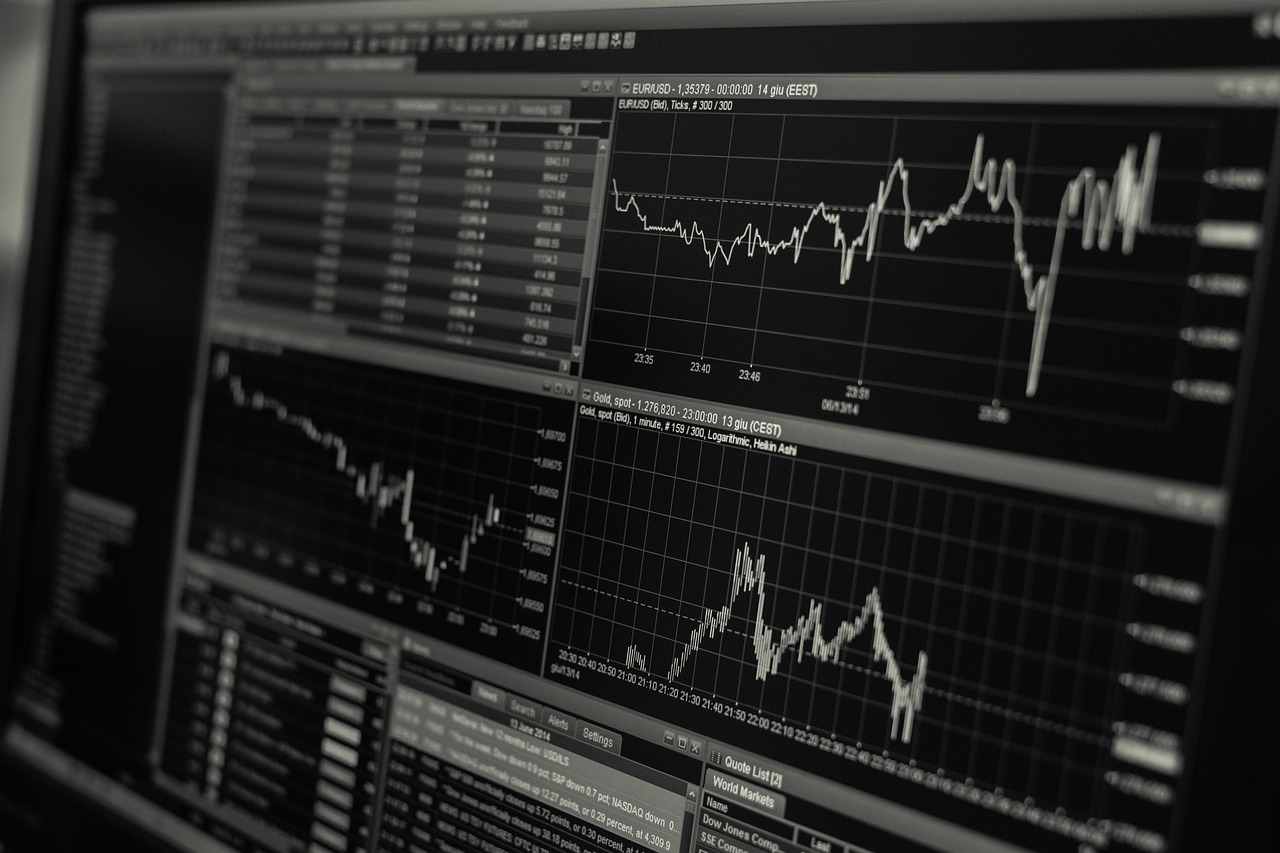
Traders should integrate volume analysis into their daily trading routines to maximize effectiveness. One practical approach to volume analysis is employing analytical software that displays volume-related data visually. Visual representations enhance understanding and the interpretation of volume metrics. Over time, traders can learn to recognize trends and develop intuition regarding market dynamics. Utilizing real-time alerts can also inform traders of unusual volume occurrences. This can be particularly beneficial for identifying breakout opportunities shortly after they emerge. By acting quickly on volume changes, traders may capture significant price movements early in the cycle. Creating watchlists that highlight stocks with increasing or unpredictable volumes can alert traders to potential opportunities. Additionally, traders can engage with forums or trading communities to share insights about volume trends and learn from each other’s experiences. Keeping a trading journal also helps traders track their volume analysis effectiveness, allowing them to refine their strategies further. This practice boosts self-confidence and coincides with successful trading methodologies that focus on volume. Successfully applying volume analysis encourages a disciplined trading mindset focused on informed decision-making.
The psychology of trading also heavily influences how traders utilize volume analysis. Fear and uncertainty can dictate trading behavior, often leading to rushed decisions void of thorough analysis. A well-defined volume-based strategy allows swing traders to overcome emotional hurdles. Having a systematic approach to trading decisions reduces impulsive actions driven by emotions. Traders who rely on evidence-backed strategies feel more empowered, leading to improved market performance. Additionally, volume analysis affords flexibility in trading plans. Traders can create contingencies based on anticipated volume changes. For instance, an unexpected spike may lead traders to adjust their stop-loss orders to protect profits. Incorporating volume analysis in this manner transforms trading into a more informed practice rather than following gut feelings. Swing traders emphasize the need for staying disciplined and adaptable, qualities enhanced significantly through proper volume analysis. This disciplined approach contributes to better outcomes in the face of the emotional and psychological challenges inherent in trading. Trained awareness of volume impacts traders’ long-term effectiveness in swing trading significantly.
Conclusion and Future Directions
Volume analysis is not just an optional tool for swing traders; it is an essential element that can orchestrate greater success in trades. As traders embrace its relevance, they will find stronger connections between volume spikes and actual market movements. This journey towards improving swing trading results necessitates commitment, practice, and continuous learning. New technologies and analysis techniques are transforming how traders view volume data. The advent of artificial intelligence in trading software presents opportunities for predictive analysis based on historical volume patterns. As the financial landscape evolves, traders who adapt and incorporate these advancements into their strategies will thrive. Creating a community centered around sharing knowledge on volume analysis could empower individual traders. Many resources are available online, from courses to articles that uncover the intricacies of volume. Access to robust educational materials enhances skills and nurtures intuitive decision-making. Traders should explore volume analysis further and remain vigilant in refining techniques. By investing in learning opportunities linked to this subject, traders will pave the way toward exceptional performance while elevating their overall trading experiences.