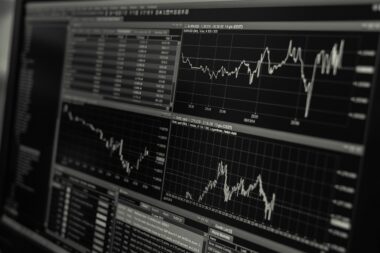

Exploring the Impact of Brexit on Foreign Exchange Markets
Brexit represents a significant shift in the political landscape of Europe, influencing various markets, notably foreign exchange (FX). The decision for the United Kingdom to exit the European Union (EU) has led to heightened uncertainty in FX markets. Investors react sensitive to news related to Brexit, often resulting in volatility for the British pound and other currencies tied to the EU. The ramifications are vast, as traders reassess risk and adjust their strategies accordingly. Currency fluctuations tied to this political event highlight the interconnectedness of global markets. The unpredictable economic policies following Brexit have raised concerns among investors, prompting them to watch for major legislative changes. Moreover, the Bank of England’s monetary policy reflects its response to Brexit-related developments, impacting interest rates and currency values. Exchange rates have already experienced significant swings, showcasing the essential need for businesses to mitigate foreign exchange risk. Contracts and hedges become paramount as firms brace for potential adverse currency movements. Ultimately, understanding these dynamics becomes crucial for effective risk management in foreign exchange transactions.
As Brexit negotiations unfolded, distinct patterns emerged within the foreign exchange markets. Movements in currency value were often directly tied to headlines regarding trade agreements or political outcomes. The volatility observed in the GBP against the Euro and USD elucidated market reactions to Brexit developments. Analysts began to identify correlation trends, helping investors navigate this unpredictable landscape. For example, a favorable deal could bolster the pound’s value, while a setback in negotiations might lead to depreciation. Speculation became rampant, as traders sought to capitalize on short-term fluctuations. This extensive market participation underscored the need for comprehensive analytical tools capable of interpreting real-time data. Additionally, many financial institutions devised new strategies to forecast currency behavior and manage risk effectively. Increased reliance on technology and data analytics allowed for quicker decision-making in response to global market changes. Therefore, the impact of Brexit extended its reach beyond political commentary into practical applications within foreign exchange strategies. Investors needed to remain informed and agile in adapting their approaches to harness opportunities and safeguard their investments.
The Role of Central Banks
Central banks play a crucial role in stabilizing currency markets during tumultuous periods, such as the aftermath of Brexit’s vote. The Bank of England, for instance, took decisive action to calm market fears following the referendum outcome. Interest rate adjustments and liquidity measures were implemented to support the economy and bolster investor confidence. By influencing monetary policy, central banks can mitigate extreme volatility in FX markets and provide a safer environment for trade and investment. Additionally, clear communication from central banks concerning their policy intentions became imperative. Forward guidance serves as a method for banks to clarify their outlook on economic conditions and potential responses to market movements. In this fluid post-Brexit landscape, understanding and anticipating central banks’ actions provided stakeholders with insight into currency value trajectories. Consequently, traders began to factor in central bank reactions when developing trading strategies. Monitoring central bank statements and economic indicators became essential as the relationship between policy decisions and currency fluctuations intensified following Brexit. This dynamic highlights the broader impact of central bank policies on foreign exchange services.
The uncertainty surrounding Brexit has compelled many businesses engaged in international trade to reevaluate their foreign exchange strategies. Companies started to increasingly adopt hedging techniques to shield themselves from currency risks caused by volatility. This proactive approach aims to stabilize cash flows, particularly for firms where currency exposure could impact profitability dramatically. The use of instruments like currency swaps and options has gained popularity as organizations seek to lock in favorable exchange rates amidst fluctuations. By employing such strategies, businesses are better positioned to secure pricing in their supply chains, ensuring continuity and reducing operational disruptions. Additionally, economic forecasts and market analysis have become vital components of strategic financial planning. Businesses must now incorporate geopolitical factors into their models, as the implications of Brexit extend beyond mere currency valuations. The pressure to remain competitive in a global marketplace has intensified, leading companies to constantly refine their foreign exchange operations. Consequently, continued research into market trends and currency behavior will be necessary for success. Firms that effectively manage their currency exposure will likely fare better in the ever-evolving FX landscape shaped by Brexit.
Investor Sentiment and Market Confidence
The psychology of investors significantly influences market dynamics, particularly in the context of uncertain events like Brexit. Sentiment analysis reveals that fluctuations in confidence levels correspond closely with currency movements. As investor confidence wavers, they often respond by executing buy or sell orders, leading to rapid changes in exchange rates. Social media and news outlets additionally play pivotal roles in shaping public perceptions, with a single headline capable of triggering widespread trading activity. Observing behavioral patterns allows financial analysts to better predict market reactions,
thus enhancing their risk evaluation methodologies. During periods of low confidence, it becomes critical for traders to maintain a level of caution while making decisions. As the complexities surrounding Brexit continue to unfold, understanding the intricacies of investor psychology remains essential. Pricing errors and misjudgments in currency valuation can result from herd mentality and emotional trading, necessitating a disciplined approach to investment. By analyzing investor sentiment and leveraging data analytics tools, stakeholders can seek to capitalize on market inefficiencies resultant from panic selling or irrational exuberance. Therefore, adequately addressing investor sentiment as an influential factor in foreign exchange markets is critical for developing effective strategies. Over time, fostering a calm and measured response to market shifts may support long-term stability within FX trading environments.
As the Brexit saga continues to develop, the implications for the future of foreign exchange markets remain profound. The evolving landscape presents challenges and opportunities for investors aiming to capitalize on shifts within the currency realm. A consolidated knowledge of both macroeconomic trends and local developments offers investors a critical vantage point for assessing potential impacts. Furthermore, the importance of diversifying currency exposure cannot be overstated, as investors seek to mitigate the inherent risks associated with volatility. By engaging in a wider array of currency pairs and exploring emerging markets, investors can bolster their chances for success. Additionally, education around risk management and the utilization of modern trading platforms has become increasingly paramount in this context. As firms invest in new technologies, these innovations can provide enhanced analytical capabilities, thus fostering sound decision-making. Ultimately, the adaptability of investors and flexibility in trading strategies will dictate their success moving forward in a landscape influenced by Brexit. Engaging collaboratively with various partners, including banks and financial advisors, can further enrich the discussions aimed at navigating the complexities of foreign exchange services.
The effects of Brexit on foreign exchange markets have thus woven a complex narrative, demanding comprehensive analysis and swift adaptation from all market participants. The entire ecosystem of FX trading is being reshaped as political changes influence economic relations. Key players, including institutions, businesses, and individual traders, must align their strategies with the evolving volatility landscape. As we observe the post-Brexit world adjusting to new realities, continuous study and vigilance will remain critical. Understanding the interconnected nature of global financial systems will support informed decision-making, ultimately translating into successful currency exchange outcomes. As various countries recalibrate their trade relationships with the UK, currency movements will persist as a barometer for economic health and diplomatic progress. This ongoing transformation challenges stakeholders to remain proactive in their engagement with the foreign exchange environment. The resilience shown amidst uncertainty will play a defining role in shaping the future of FX services. Observing market trends and gathering insights will empower stakeholders to navigate the intricate web of foreign exchange influenced by Brexit effectively. Thus, adapting to new conditions with strategic foresight will be vital for anyone hoping to thrive amid this evolving economic landscape.