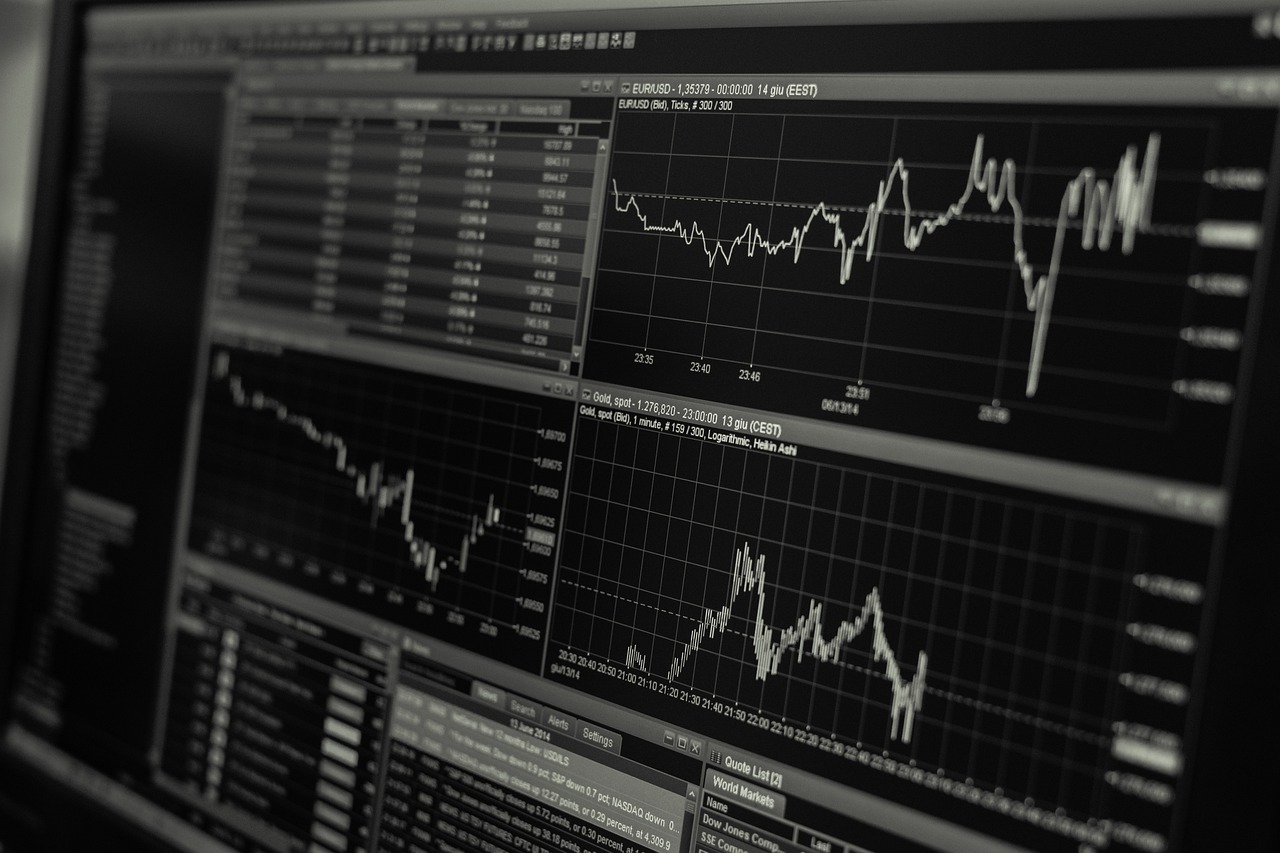

Real-Time Data Processing in Algorithmic Trading
Algorithmic trading has revolutionized how traders react to market changes, significantly overhauling the financial landscape. With the increasing volumes of data generated every second, reliance on real-time data processing systems has become paramount. These systems permit not just rapid processing but also accurate predictions based on the most current information available. Algorithmic trading relies heavily on the swift analysis of prices, volume, and market sentiment to make informed decisions. Speed and efficiency are crucial; trading functions need to be executed in microseconds to capitalize on price discrepancies. Real-time data processing enables firms to develop trading strategies encompassing complex mathematical models. Algorithms can efficiently analyze multiple data streams, which would be impossible for human traders to replicate. Essential technologies, such as high-frequency trading, depend on such systems to harness the latest market movements. Furthermore, firms employing these techniques can gain a competitive advantage, often leading to reduced transaction costs and higher profitability. However, the technology does come with risks, such as execution errors and latency issues, which must be vigilantly managed to avoid significant losses.
The Importance of Speed and Efficiency
The importance of speed and efficiency in algorithmic trading cannot be overstated. In trading, seconds can make or break financial deals, where missing a small window of opportunity results in substantial losses. Algorithmic systems harness real-time data processing through state-of-the-art technology, enabling instant decision-making that reflects changing market conditions. The ability to process vast amounts of information instantly allows traders to execute strategies that might otherwise take too long through manual methods. Efficient algorithms can automatically adjust to fluctuating conditions, optimizing positions without the need for constant human input. This level of operational speed ensures that traders can execute orders at market prices without facing delays caused by human interpretation or errors in judgment. Additionally, optimally designed algorithms adapt and evolve, using historical data to refine future strategies continuously. Speed is critical when competition increases, and firms need to ensure that their systems can handle the influx of data without deterioration in performance. Through these advanced technologies, traders can maximize the potential of their capital, increase revenue streams, and enhance overall portfolio performance.
Real-time data processing systems also enhance risk management, allowing firms to identify and quantify risks without delay. The dynamic nature of financial markets means that risk is ever-changing; thus, constant monitoring is essential. Algorithmic trading platforms can integrate risk management tools that engage with real-time data, ensuring traders are aware of potential hazards before executing orders. These systems enable evaluations of market volatility, potential losses, and exposure limits in real-time. Consequently, trading decisions can be based on an accurate assessment of the prevailing risks, allowing for risk-averse strategies to be executed swiftly. Transparency is also improved, which is crucial for regulatory compliance and investor relations. Active monitoring of trades and exposures enhances accountability, essential factors for building trust in financial markets. Moreover, real-time processes allow for rapid corrections in trading positions if market conditions change unexpectedly. Lastly, incorporating machine learning and artificial intelligence can further augment these systems, creating models that learn from past data to make richer predictions. This layered approach ensures robustness in trading strategies and improves overall decision-making.
Data accuracy is another cornerstone of successful algorithmic trading. Firms must ensure that their trading models are based on accurate and reliable data; inaccuracies can lead to detrimental trading decisions. Real-time data processing systems can filter out noise and signal, allowing traders to focus on actionable insights. Advanced algorithms are designed to discern patterns from raw data, enabling traders to make informed, data-driven decisions. Additionally, data consolidation plays a significant role, wherein information from multiple sources is aggregated for comprehensive analysis. The integration of diverse data streams provides traders with a holistic view of the market, crucial in formulating effective strategies. Data quality assessments and integrity checks must be implemented in real-time processing systems to minimize the impact of erroneous information. System redundancies and backups enhance reliability, ensuring that algorithmic trading platforms remain operational during critical periods. As financial markets evolve, ensuring that data remains consistent and trustworthy underpins successful algorithmic trading, allowing for enhanced strategic planning. The precision of data used in algorithmic trading directly correlates with a firm’s ability to adapt to ever-changing market dynamics, leading to informed operational direction.
Technological Innovations in Data Processing
Technological innovations continue to drive advancements in real-time data processing for algorithmic trading. Cloud computing has emerged as a game-changer, offering scalable solutions to handle massive data sets efficiently. With the shift towards decentralized architectures, firms can deploy algorithms that run simultaneously across various locations. This enhanced flexibility provides resiliency against local outages while democratizing access to powerful computational resources. Furthermore, machine learning techniques introduce self-improving algorithms that adapt based on historical data and market behaviors. These innovations enable traders to stay ahead of the curve in an intensely competitive environment. Big Data analytics also plays a crucial role in refining algorithms used for trading, allowing firms to harness patterns and correlations unrecognized through traditional methods. The ability to analyze vast amounts of varied data in real-time supports multifaceted trading strategies that are data-driven. However, with these rapid advancements, firms must also invest in cybersecurity measures to protect sensitive trading information. As the landscape of algorithmic trading evolves continuously, staying abreast of new technological trends becomes paramount for firms seeking to maintain and enhance their competitive edge.
Another critical aspect of real-time data processing is latency management. Latency refers to delays that can occur during data transmission, leading to missed opportunities for traders. In algorithmic trading, even minimal latency can significantly impact profitability. As such, firms invest heavily in low-latency networks and technologies to ensure that data is transmitted swiftly and accurately to their trading algorithms. Strategies to minimize latency involve optimizations at both the hardware and software levels, including the use of specialized servers located close to exchange data centers. Additionally, efficient routing of information within networks significantly impacts overall transaction speed. Continuous monitoring and assessments of network performance provide valuable insights into latency anomalies, allowing for real-time troubleshooting. Firms also utilize data compression techniques to facilitate quicker data handling, decreasing the amount of information that needs to be processed. With advancing technologies like edge computing, firms look towards minimizing latency further by placing computation and storage closer to the data source. This approach not only improves the data processing speeds but also enhances overall trading execution performance, empowering traders to capitalize effectively on market movements.
The Future of Algorithmic Trading
The future of algorithmic trading is a landscape marked by ongoing evolution and sophistication. Emerging technologies are set to change how traders approach markets, with continuous advancements in artificial intelligence, machine learning, and natural language processing. Predictive analytics will further refine decision-making processes, enabling traders to anticipate market movements with greater accuracy. Furthermore, the rise of decentralized finance (DeFi) presents opportunities for algorithmic trading beyond traditional platforms. Leveraging blockchain technology may introduce new models of executing trades while enhancing transparency and security. As these transformations take shape, firms must remain agile and open to innovative practices that can drive performance. Regulation will play a crucial role in shaping the future, necessitating adherence to standards while fostering growth within the industry. Moreover, ethical considerations surrounding algorithmic trading will gain prominence, requiring firms to consider fairness and accountability. Ultimately, trading systems will need to adapt continuously to ensure optimal performance. By investing in advanced technologies and embracing a robust regulatory framework, firms can successfully navigate the future of algorithmic trading, positioning themselves favorably in an ever-evolving marketplace.
Collaboration between data scientists and trading teams will become increasingly important in the future of algorithmic trading. Interdisciplinary efforts can enhance the understanding of data patterns and market movements, driving more insightful trading strategies. The fusion of finance and technology will create an environment where innovative solutions flourish, allowing traders to extract maximum value from available data. Additionally, integrating environmental, social, and governance (ESG) factors into trading algorithms reflects a growing need for responsible investment strategies. Advanced systems will enable firms to address investor preferences and build strategies that align with sustainable practices without sacrificing performance. The assessment of social sentiment and market trends through real-time data processing will become vital in driving investment decisions as customers prioritize socially responsible investments. As competition heightens, data-driven strategies that incorporate ESG metrics can differentiate firms in the marketplace. Furthermore, ongoing research and analysis in real-time data processing will drive continuous improvements in algorithmic strategies. Such vigilance ensures that traders can maintain a competitive edge, adapt to market dynamics, and provide exceptional value to investors in an increasingly complex financial landscape.