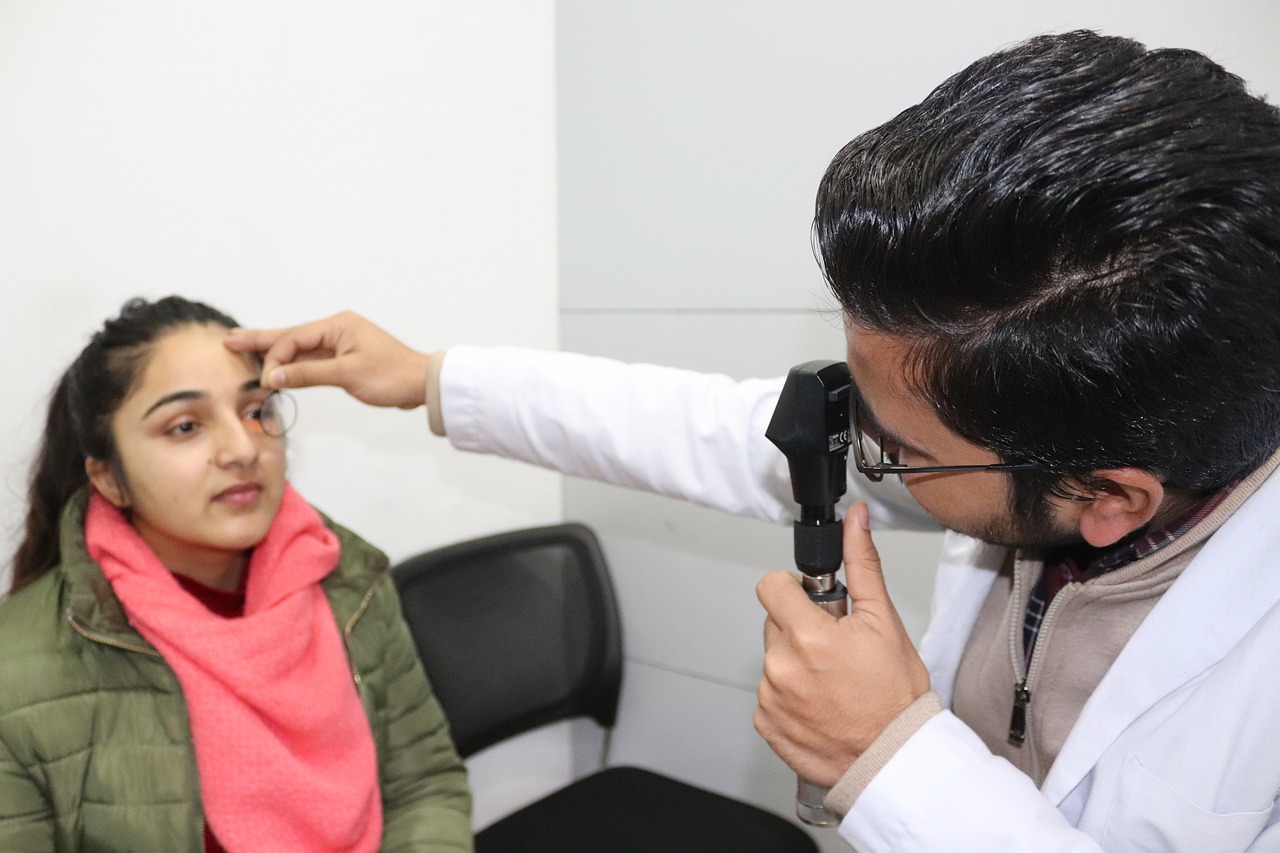

What to Expect During Your Vision Insurance Eye Exam
Your vision insurance eye exam is a vital component of maintaining ocular health. These exams typically assess your visual acuity, depth perception, and overall eye health. During the examination, you’ll first discuss your medical history with the optometrist. This important dialogue ensures that any previous conditions or concerns are noted. Following that, various tests will be performed on you. Standard procedures may include a visual field test and dilation, allowing the eye doctor to view the back of your eyes. The use of automated machines is also prominent in these exams for accurate measurements. Your chart will keep track of your recent prescriptions, ensuring precision with your current glasses or contact lenses. Additionally, the optometrist may test for common vision issues such as myopia or hyperopia. Expect to answer questions about how well you see, both near and far. These details will guide the doctor in determining the best approach. Remember, each visit builds your record, aiding in preventive care and tailored advice for your vision’s future.
Many patients wonder about the tests performed during their insurance-covered vision exam. Typically, comprehensive eye exams involve several essential evaluations. You may encounter the Snellen test to measure visual acuity, which uses an eye chart. It’s one of the most recognized tests and reveals how clearly you see at 20 feet. Furthermore, near vision may also be assessed with different charts to ensure that you can read close-up text easily. The tonometry test is another critical measurement, measuring the fluid pressure inside your eyes. This test can help detect potential glaucoma. Oftentimes, doctors will also perform a color vision test to ensure that your color perception is functioning properly. Visual field tests will check for blind spots while checking peripheral vision. This test allows the doctor to monitor any abnormalities that could indicate underlying conditions. Generally, each test is vital for a comprehensive understanding of your eye health. Thus, discussing the results with your optometrist will provide valuable insights. Make sure to ask questions during the consultation to clarify any concerns you may have.
As you prepare for your vision insurance eye exam, there are a few essential aspects to consider. Bring your insurance information to ensure coverage verification, which saves time and potential billing issues later. It is also beneficial to arrive with a list of medications, so the doctor can evaluate any side effects affecting your vision. Be prepared to discuss any changes in your eyesight, including blurred vision or headaches. These symptoms may provide clues about your overall health. Another tip involves wearing or bringing your current pair of glasses or contact lenses. This enables the doctor to assess your current prescription effectively. If you have any preferences or previous experiences with glasses or contacts, share these with your optometrist to facilitate better solutions tailored to you. Moreover, ensure that your eye doctor has all relevant records. Having access to your previous exams can enhance the effectiveness of your current visit. Keeping a positive mindset also aids in the overall experience. Be open to recommendations, discussions, and any new technology that may arise during the examination.
What Happens After the Eye Exam?
Once your vision insurance eye exam is finished, several outcomes may unfold. Your optometrist will review the tests conducted during your visit. They will provide feedback regarding your eye health, including discussing any problems or weaknesses you may have. If any issues are detected, the doctor may suggest further testing to clarify findings. In addition, you’ll receive a prescription for corrective lenses if necessary. This prescription will detail your visual requirements, including any adjustments that need to be made. If you have contact lenses, ask about recommended brands and types that fit your lifestyle. Following the discussion, your doctor will address any immediate concerns. If you require follow-up appointments or if surgeries are needed, the doctor should inform you accordingly. This final part of the visit is essential for ensuring your overall eye health is prioritized. Always feel free to express any hesitations or inquiries you may have. Receiving adequate knowledge on how to care for your eyes can significantly enhance your vision quality over time.
Understanding your coverage and benefits through vision insurance is vital for managing your health. Different plans offer various levels of coverage, depending on the insurance provider. Most policies will pay for a comprehensive eye exam, which typically includes a basic evaluation. However, remember that some plans may limit the number of covered exams each year, affecting your budgeting. Many insurances also include allowances for eyewear, covering partial or complete costs for glasses or contacts. Inquire about manufacturers available under your plan, as some may provide exclusive deals or discounts. Additionally, consider reviewing your deductible and copayment amounts, which might come into play during the visit. Understanding how many visits or expenses each family member can claim will lead to better planning. Regardless, update yourself on any changes to your coverage, especially with renewals. This knowledge ensures that you’re getting the most out of your vision insurance. Being proactive about your eyes will lead to more effective usage of benefits, ultimately supporting your overall ocular wellness and reducing potential costs in the long run.
Benefits of Regular Eye Exams
Regular eye exams contribute significantly to overall health and wellness. They often catch issues before they escalate into serious problems. Detecting early signs of conditions such as diabetic retinopathy or macular degeneration can directly influence treatment effectiveness. Consistent eye exams help keep track of changes in your vision over time. This factor enables health practitioners to provide appropriate recommendations or adjustments based on your overall eye health. Beyond focusing just on vision, these exams can reveal critical information regarding systemic health issues. An eye exam can sometimes detect signs of high blood pressure or cholesterol, early enough for preventive measures to take effect. By prioritizing routine appointments, you are not only taking care of your eyesight but also supporting general health. Moreover, children often benefit immensely from consistent check-ups to assess developmental progress. Proper care during their formative years safeguards against future vision challenges. Seeking treatment in due time can enhance their learning and social interactions significantly. Therefore, understanding the significance of regular exams empowers you to prioritize eye health appropriately.
In conclusion, navigating your vision insurance eye exam effectively can make a substantial difference in your eye care routine. Preparing thoroughly for the visit, including understanding your insurance coverage and being aware of necessary questions, enhances the experience and outcomes. Engaging in open discussions with your optometrist about concerns enables better-tailored solutions to your eye care needs. Regular eye exams are crucial in detecting issues, preventing severe conditions, and maintaining optimal health. Additionally, make it a habit to learn about potential symptoms to watch for in between check-ups to promote vigilance regarding your well-being. Based upon the overall findings from your visit, prioritize any lifestyle adjustments the doctor recommends. Adapt your daily routine to include healthy habits that will protect your eyes and promote good vision. Overall, working closely with your vision insurance provider helps maximize your plan benefits. With diligence and proactive choices, you’ll ensure your eye health remains robust throughout the years. Establishing a routine around vision care can yield rewarding outcomes for you and your loved ones.
With these considerations, you will navigate your vision insurance eye exams more successfully. Be diligent, follow through with recommendations, and stay informed regarding your eye health. Each aspect discussed contributes to a comprehensive understanding of how vital vision insurance exams are to your overall well-being. Regular check-ins help ensure that the care you provide for your eyes continues consistently into the future. This commitment can lead to happier, healthier lives.