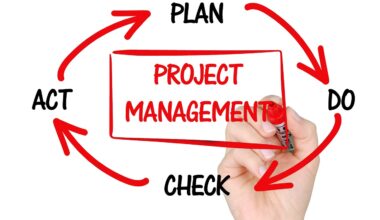

Balancing Skills and Personalities in Project Teams
Project teams are often considered the backbone of successful project management, where the right balance of skills and personalities can make all the difference. A project manager must be strategic in assembling a team that harmonizes these traits. In creating effective project teams, managers should focus on diverse skills, covering areas such as technical proficiency, problem-solving, and communication. Each member plays a vital role, and their unique contributions enhance project outcomes. Effective collaboration depends on a balance between assigned roles and interpersonal relationships within the team. Managers can facilitate this by fostering a supportive environment where different personalities are valued. Understanding individual needs is crucial, as is recognizing the distinct working styles of team members. Tools and techniques are available to assess these dynamics, including personality assessments and skill audits. In turn, these evaluations help in placing team members strategically to optimize their strengths. Ultimately, a well-rounded project team leads to enhanced productivity, creativity, and overall project success, ensuring that the project manager can deliver results that exceed initial expectations. Investing in team development is a valuable initiative for any organization aiming to achieve exceptional project results.
Another important aspect of balancing skills and personalities in project teams involves understanding conflict management. Conflicts can arise due to personality clashes, competing priorities, and differences in work ethic or communication styles. Effective project leaders must be prepared to address these conflicts promptly. Techniques such as active listening and open communication can be employed to facilitate discussions and resolve tensions. For instance, team-building activities can promote understanding and help members appreciate each other’s strengths. Additionally, implementing regular feedback mechanisms allows teams to address potential issues before they escalate into significant problems. Adopting a conflict resolution model such as the Thomas-Kilmann Conflict Mode Instrument (TKI) can provide insights into team dynamics. This approach categorizes conflict styles, helping managers understand how each member may respond to challenges. By using this knowledge, project managers can tailor their approach to each person’s preferences, effectively balancing team personalities. Moreover, recognizing that conflicts can foster innovation is key; diverse opinions may lead to creative solutions. Thus, cultivating an environment conducive to healthy disagreement paves the way for a strong and cohesive project team, ultimately enhancing the team’s performance and the project’s success.
Fostering Collaboration Among Team Members
To ensure project team success, fostering a culture of collaboration is essential. Collaboration encourages members to share their knowledge, skills, and resources while working towards a common goal. Establishing clear communication channels is crucial in eliminating misunderstandings and promoting transparency. Utilizing project management tools, such as Trello or Asana, can facilitate streamlined interactions and keep everyone informed. Meetings should be structured, allowing for efficient use of time while ensuring all voices are heard. Regular check-ins and team-building exercises enable team members to bond, enhancing rapport and trust. Additionally, recognizing individual contributions fosters a sense of belonging and appreciation, which strengthens collaboration. Encouraging open feedback allows team members to voice their opinions and suggestions. This practice not only deepens trust but also reduces the likelihood of conflicts. Moreover, forming cross-functional project teams can enhance collaboration by integrating diverse perspectives and experiences into the decision-making process. The blend of various skills and viewpoints often results in innovative solutions. Through collaboration, project teams can maximize their collective potential, leading to improved outcomes and successful project execution while positively impacting team morale and productivity in the long run.
A critical challenge in project team building is maintaining a balance between diverse personalities and skill sets. Teams composed of members with contrasting personalities may initially encounter difficulties in communication and collaboration. However, when these differences are managed effectively, they can lead to innovative brainstorming and creative problem-solving. Identifying team members’ strengths and weaknesses is essential for developing a cohesive unit. Personality assessments, such as the Myers-Briggs Type Indicator (MBTI), can provide valuable insights into individual styles and preferences. Project managers should leverage this information to assign roles based on strengths. For example, an extroverted team member may thrive in a client-facing role, while an introverted member could excel in data analysis tasks. By aligning roles with personal strengths, a manager creates an environment where team members can perform at their best. Furthermore, encouraging team members to step outside their comfort zones fosters personal growth and adaptability. Ultimately, striking the right balance between personalities can transform a project team into a high-performing unit capable of overcoming challenges and achieving ambitious goals together, resulting in greater project success.
Encouraging Development of Team Skills
Continual development of team skills is pivotal for ensuring the long-term success of project teams. As projects evolve, so too should the skills of the members involved. Implementing regular training sessions helps team members stay current with industry trends and best practices. Promoting a culture of learning encourages individuals to seek self-improvement. Moreover, mentoring programs can assist in skill transfer between seasoned professionals and new members. Pairing team members with diverse experience levels can enrich everyone’s knowledge base, fostering collaboration and mutual growth. Implementing cross-training initiatives can also prepare team members for multiple roles, enhancing flexibility. This adaptability becomes invaluable during critical project phases when unforeseen challenges arise. Additionally, performance assessments and feedback within teams should be encouraged, allowing members to recognize each other’s strengths and areas for improvement. Establishing personalized development plans can guide individuals along their professional paths, aligning personal goals with project objectives. Investing in skill development not only heightens team performance but helps in employee satisfaction, retention, and creates a robust foundation for future projects. Team members become more competent and confident, paving the way for strong project execution and outcomes.
Another essential element in constructing a successful project team involves the integration of emotional intelligence (EI) into team dynamics. Emotional intelligence encompasses self-awareness, self-regulation, empathy, motivation, and social skills. Team members with high EI are better equipped to navigate complex interpersonal relationships, which is vital for effective collaboration. A project manager displaying sensitivity to team dynamics can identify potential sources of conflict or misunderstanding early on. By cultivating an atmosphere of trust and support, team members feel more comfortable sharing ideas and feedback, leading to enhanced collaboration. Providing training focused on emotional intelligence can significantly benefit teams. Skilled members can identify and manage their emotions while being attuned to those of others. Consequently, project teams can mitigate stress and conflict while cultivating strong working relationships. Furthermore, organizations should prioritize hiring individuals with strong emotional intelligence, as these traits can greatly impact team interaction and overall project success. By balancing technical skills with emotional intelligence within project teams, managers can build more resilient and adaptable units capable of navigating unexpected challenges, ultimately leading to the attainment of project goals.
Conclusion and Future Outlook
In conclusion, building successful project teams requires a delicate balance of skills and personalities. Managers must be proactive in identifying individual strengths and promoting a collaborative culture that values diverse perspectives. As project dynamics evolve, fostering emotional intelligence and continuous skill development is crucial to maintaining team cohesion. Emphasizing effective conflict resolution and encouraging open communication are also essential for nurturing a positive team environment. Looking forward, organizations must invest in training and development efforts to stay ahead of industry trends while enhancing their project management capabilities. Executing complex projects will require teams to be more versatile and adaptable than ever. By embracing diversity and promoting team well-being, organizations can maximize their potential for success. Utilizing technology and psychological assessments will aid managers in forming cohesive project teams that drive innovation. The principles of balancing skills and personalities will be fundamental in shaping the future of project management. As organizations continue to evolve, the emphasis placed on intentional team building will play a significant role in achieving outstanding project outcomes and fostering a satisfying working environment for all involved.
Understanding the significance of balancing skills and personalities within project teams leads to sustained success in project management. By appreciating the unique contributions of each member, project managers can foster environments where individuals thrive. Grounded in techniques that promote collaboration and emotional intelligence, these teams can navigate complex challenges more effectively. It will not only enhance results but also strengthen bonds among members, creating a cohesive dynamic. The ongoing commitment to learning and development will empower project teams to adapt and innovate, setting them on a path for continued growth. As project landscapes change, those organizations willing to embrace these principles will position themselves as leaders in the industry. They will successfully deliver challenging projects with exceptional outcomes while providing their teams with fulfilling experiences. Looking ahead, the ability to balance diverse skills and personalities will remain a vital ingredient for project success. Thus, managers must prioritize these guiding principles as they build future teams. At the heart of a great project team lies diversity, creativity, and resilience, driving success and leaving lasting impacts within their organization and beyond.