
Luxury Assets as a Hedge Against Inflation
In today’s volatile economic climate, investors continuously seek innovative ways to protect their wealth. Luxury assets, including fine art, rare collectibles, and high-end real estate, have emerged as viable alternatives to traditional investments. These assets have historically retained value during inflationary periods, serving as a safe haven against diminishing purchasing power. Unlike stocks or bonds, luxury assets offer unique emotional and aesthetic benefits, making them appealing to affluent investors. Furthermore, luxury items tend to exhibit intrinsic worth that often appreciates over time. For example, masterpieces from renowned artists not only draw admiration but can also command significant prices at auction, proving their monetary value. Additionally, investing in luxury real estate can also yield substantial returns while providing tangible enjoyment. As inflation rises, so does the desire to preserve wealth in formats that not only hedge against market fluctuations but also inspire passion and pride. Because of these reasons, luxury assets have become not just items of superficial allure but critical components in a diverse investment portfolio. Ultimately, the strategic inclusion of luxury assets can enhance financial security in uncertain economic landscapes.
The trend of using luxury assets as a financial shield highlights a shift in how investors perceive value. In the face of global inflationary pressures, more individuals recognize that traditional currencies may lose purchasing power. Hence, tangible luxury items appeal to those seeking alternatives. For instance, high-end watches, wine, and vintage cars not only captivate collectors but can also appreciate remarkably over time. The uniqueness and scarcity of such items often contribute to their value retention, making them robust investments. Moreover, the emotional connection associated with luxury assets can encourage owners to maintain them rather than liquidate during market downturns. This behavior can reinforce their worth as a hedge against inflation. Furthermore, investors may diversify their portfolios by incorporating different types of luxury assets. This strategy mitigates risks while opening avenues for potential profits in booming luxury markets. The global art market, for example, has seen significant increases in the valuation of contemporary pieces over the past decade. Thus, affording investors not just a hedge but also opportunities for growth within a fluctuating economy, establishing luxury assets as a leading choice for wealth preservation and growth in challenging times.
Types of Luxury Assets
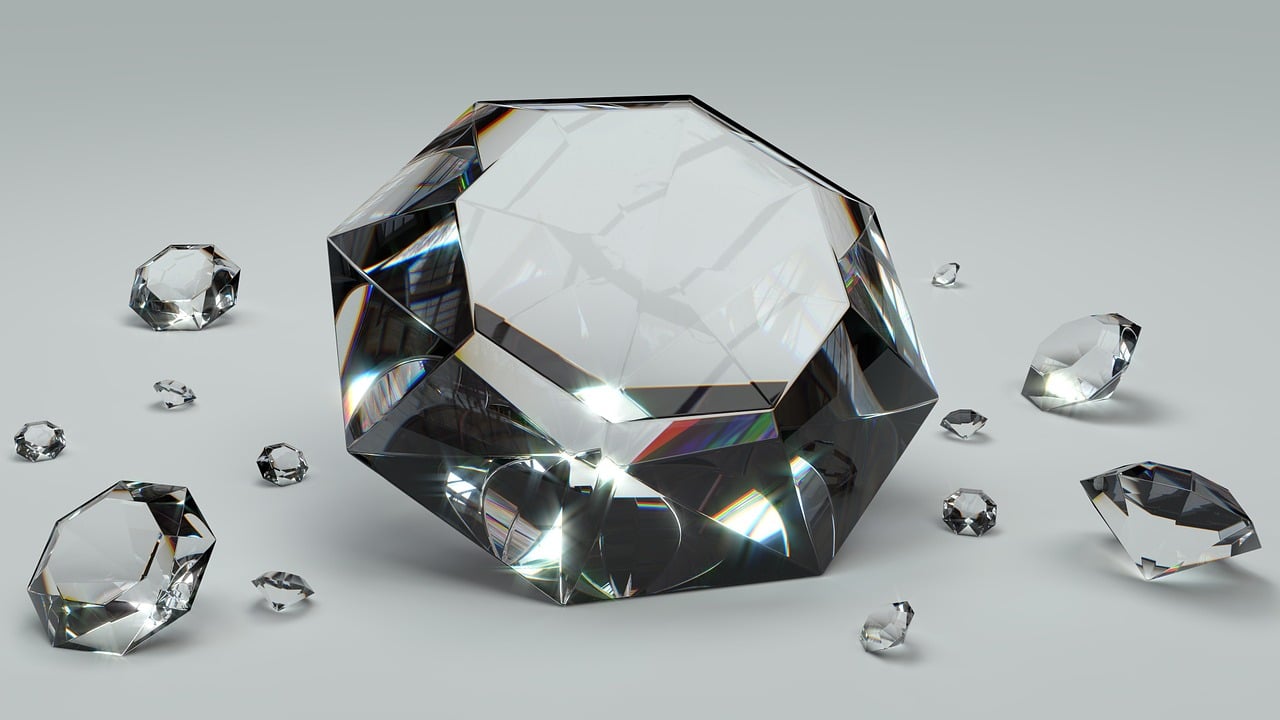
When exploring luxury assets as an investment strategy, it is important to understand the various categories available. Broadly, these can be classified into several distinct sectors, each offering unique benefits and risks. High-end real estate is one sector, often appreciated for its tangible value and potential for rental income, providing investors with dual financial rewards. Similarly, fine art represents another significant category. It boasts cultural significance and historical value, often fetching high prices in auctions and galleries worldwide. Collectibles, such as vintage automobiles and rare coins, also show significant promise; driven by niche markets and passionate collectors, these items can soar in value. Luxury fashion items, including limited-edition handbags or designer clothing, have also gained traction as investment-grade commodities, sometimes reselling at much higher prices. Jewelry, particularly items featuring diamonds or gemstones, further adds to the mix with its inherent value. Equally, investments in wine and whiskey have become popular, capitalizing on growing interest in collectible spirits. Therefore, understanding these categories is essential for anyone looking to diversify their wealth management strategies with luxury assets effectively.
Luxury assets offer more than just financial benefits; they provide enjoyment and satisfaction. Many collectors appreciate the aesthetic value of the items they invest in, making them both a financial and cultural pursuit. The emotional impact of owning unique pieces adds a layer of enjoyment that cannot be measured purely in monetary terms. This passion for collecting often leads to long-term engagement with these items, fostering a sense of accomplishment and fulfillment. Moreover, luxury asset ownership can enhance enjoyment in the individual’s lifestyle. For instance, owning a magnificent piece of art may provide daily inspiration, transforming an ordinary space into a personalized gallery. Additionally, participating in exclusive auctions can also foster a sense of community among collectors and investors. Such experiences provide networking opportunities that can benefit one’s financial endeavors. Moreover, attending art exhibitions, vintage car shows, or tastings of prestigious wines can further enrich the owner’s life, blending financial involvement with personal enjoyment. Thus, luxury assets are unique in combining investment value with personal pleasure, making them attractive options for discerning investors focusing on wealth management and enjoyment alike.
The Impact of Inflation on Luxury Assets
As inflation rates rise, the value of currency diminishes. During these times, luxury assets often demonstrate resilience, making them increasingly attractive to investors. Historical data reveals that luxury assets such as fine art and high-end real estate maintain their value even during economic downturns. For example, art prices tend to hold firm in inflationary environments, reflecting the intrinsic value of creativity and culture. This stability becomes evident as collectors continue to invest despite increasing inflation. Furthermore, luxury assets often accrue value at rates that outpace inflation, providing an avenue for investors to not just preserve wealth but also grow it. Real estate, especially in desirable locations, often appreciates considerably over time, offering returns that significantly surpass inflation metrics. Additionally, certain luxury items become even more coveted during inflationary periods, leading to price increases for rare collectibles and limited-edition goods. This heightened demand further enhances the appeal of luxury assets as a hedge against inflation. Therefore, investing in such assets can safeguard wealth during economic turbulence, making them an essential addition to any comprehensive wealth management strategy aimed at long-term stability.
To maximize the benefits of luxury assets, investors should adopt a strategic approach. Conducting thorough research is paramount to understand market trends and underlying values in the luxury sector. Collaborating with specialized brokers and consultants can help identify lucrative opportunities and tailor investments according to personal preferences and goals. Developing connections within the luxury goods community can enhance one’s understanding of market dynamics. Additionally, maintaining a diversified luxury portfolio can mitigate risks associated with the volatility of individual assets. Regularly reassessing the value of each asset ensures that investors stay informed about their financial standing and can make timely decisions. Furthermore, considering factors such as provenance and condition is crucial when investing in items like fine art or vintage cars. Documentation of authenticity and history can significantly impact value appreciation. Equally, being aware of insurance and storage considerations is essential for protecting physical assets. By employing these strategies, investors can navigate the complexities of the luxury asset market while ensuring their investments remain secure and fruitful over time. Using luxury assets as an investment medium requires ongoing diligence and informed decision-making to truly reap the considerable benefits.
Conclusion: The Future of Luxury Assets
The outlook for luxury assets as a tangible hedge against inflation appears promising. As globalization and technological advancements continue to reshape investing landscapes, the luxury asset market evolves accordingly. Increasing awareness among investors about the potential wealth preservation attributes of luxury items suggests heightened interest. Furthermore, as the demographics of wealth change, with younger investors entering the market, we may witness a growing appreciation for luxury asset investment. These individuals often embrace aesthetics, passion, and tradition, fostering new demand for diverse categories of luxury goods. This evolution may lead to more innovative investment platforms, facilitating increased accessibility and transparency for investors. Investment in luxury assets not only serves as a safeguard against inflation but also emphasizes values of cultural appreciation and craftsmanship. Therefore, as we look toward the future of wealth management, incorporating luxury assets can foster financial security while enriching lives. This dual impact positions luxury assets as an integral part of any well-rounded investment strategy, ultimately promoting stability, growth, and joy in wealth management practices.
As investors consider the diversification of their portfolios, luxury assets will undoubtedly play a pivotal role in shaping new paradigms in wealth management. With their multifaceted benefits encompassing financial growth, emotional fulfillment, and cultural significance, they offer a distinctive blend of qualities essential for navigating the complexities of today’s economic environment. By proactively engaging with the luxury asset market, investors can develop a deeper understanding of value dynamics and positioning themselves for success in an increasingly unpredictable economic landscape. The growing connection between wealth management and luxury asset investment is indicative of a broader trend toward personalization and individualism in investing. As wealth distribution continues to evolve, the luxury sector’s alignment with the values of new generations will fuel innovation and adaptiveness within the market. Opportunities for novel collaborations among artists, designers, and investors present unprecedented pathways for successful wealth management and cultural enrichment. Ultimately, embracing luxury assets not only safeguards wealth in times of uncertainty but also enlivens the investor’s personal identity and passion. As we advance, strategic incorporation of luxury assets will not only redefine what it means to invest but also elevate the overall experience of wealth in a dynamic world.