
Impact of Supply Chain Disruptions on Market Risks
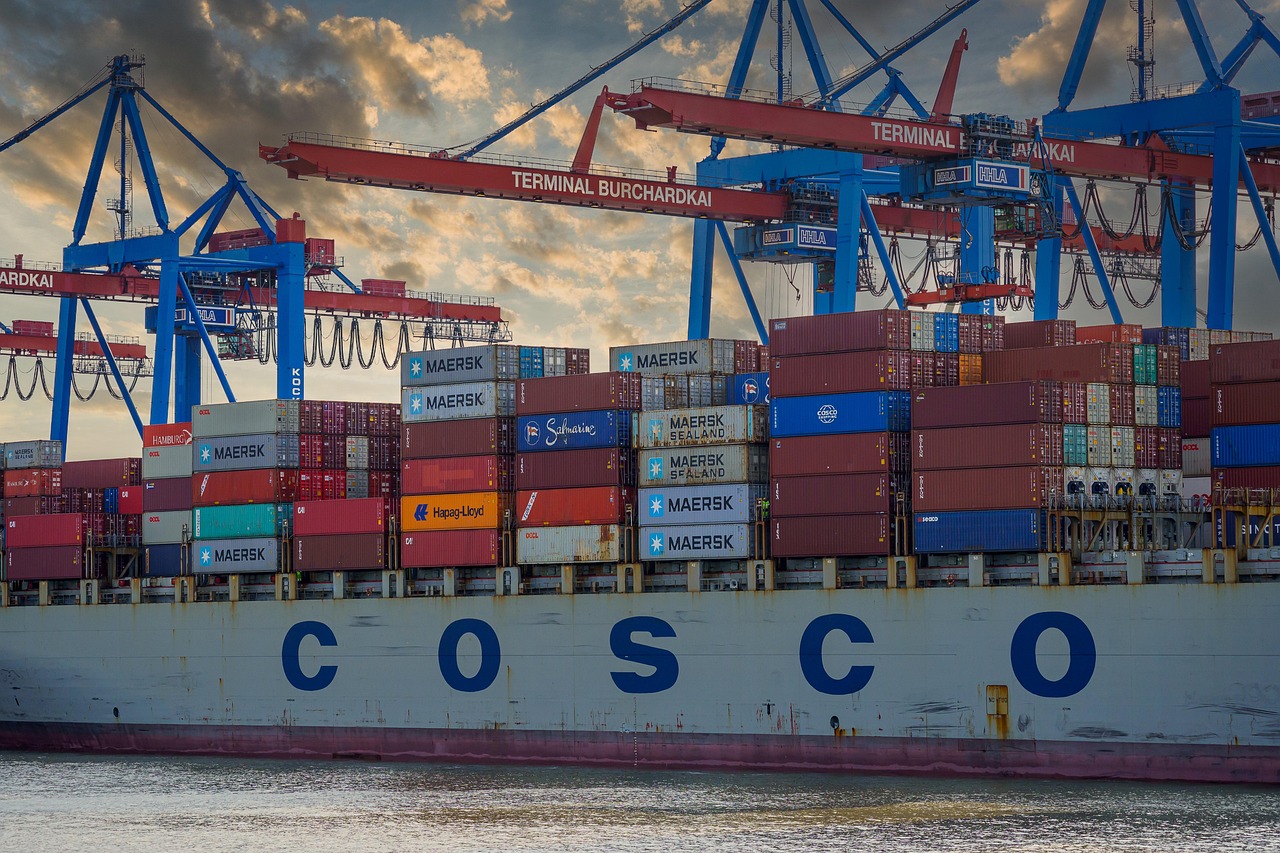
In today’s interconnected world, the impact of supply chain disruptions significantly affects market risks faced by businesses globally. Delays, shortages, and other issues arising in one part of the supply chain can ripple through markets, leading to various consequences. Companies may experience rising costs of raw materials due to shortages, which can impact their overall financial forecasts. This supply chain turmoil can lead to decreased production capabilities, resulting in lost revenue and reduced market share. In addition, investors tend to react to such disruptions, leading to increased volatility in stock prices. Consequently, firms need to constantly assess their supply chains and market positions, adjusting strategies proactively. As they navigate these challenges, embracing digital tools and analytics can provide significant insights into market behaviors. Companies that successfully manage their supply chains can mitigate risks and maintain competitive advantages. Long-term strategies may involve diversifying suppliers or investing in local sources to reduce dependency on international supply chains. This adaptive approach is essential for companies striving to stabilize operations and secure their market positions during unpredictable disruptions.
Supply chain disruptions also introduce new market risks derived from prevailing economic uncertainties. The ongoing global pandemic has magnified the vulnerabilities within market frameworks, causing various entities to reassess their operational strategies. Factors such as geopolitical tensions or natural disasters can influence supply chains, leading to price fluctuations in commodities. Such volatility can disrupt financial planning and forecasting processes, resulting in unpredictable operational costs for many businesses. When market participants perceive a higher level of uncertainty, the associated risks increase, affecting investment decisions and consumer behaviors alike. Furthermore, organizations must remain vigilant against potential cyber threats that could exacerbate supply chain issues. Effective risk management strategies become imperative in detecting and responding to these evolving risks in real time. Incorporating comprehensive risk assessment frameworks into their operations helps businesses fortify their resilience. Companies should prioritize flexibility and adaptability in their supply chain strategies to counteract potential disruptions. By embedding risk management in their supply chain practices, businesses can enhance their overall agility, mitigatively navigating market uncertainties while preserving operational integrity and compliance.
Strategies for Managing Market Risks
To successfully navigate market risks stemming from supply chain disruptions, businesses must implement various strategic approaches tailored to their specific needs. One crucial strategy involves enhancing communication across the supply chain. An open dialogue between suppliers, manufacturers, and retailers promotes transparency, allowing stakeholders to identify and address issues before they escalate. Additionally, adopting technology solutions such as supply chain management software can provide real-time insights into procurement processes and inventory levels. This proactive measure enables businesses to forecast potential shortages or delays accurately. Companies can also build robust contingency plans that outline alternative sourcing strategies to mitigate impact during a disruption. Identifying and training alternate suppliers can facilitate faster recovery and enable operational continuity. Moreover, diversification within the supply chain is vital to ensure businesses are not solely reliant on one geographic region or supplier. This strategy mitigates risks associated with concentrated sourcing. By prioritizing resilience and adaptability, businesses can better position themselves against unforeseen market challenges while sustaining their competitive edge in volatile environments.
Regulatory changes also pose market risks that can intertwine with supply chain disruptions, affecting operational compliance and profitability. Organizations need to stay abreast of evolving regulations, especially in industries significantly impacted by changes in geopolitical dynamics or environmental standards. Compliance failures can lead to costly penalties and reputational damage, further complicating supply chain management. As companies integrate sustainability into their core strategies, adhering to environmental regulations has risen in importance. The growing consumer demand for sustainable practices prompts businesses to consider eco-friendly materials and ethical sourcing, enhancing brand reputation. Organizations should actively monitor regulatory developments that influence supply chain operations, encouraging compliance-driven decision-making. Keeping an adaptable approach to regulatory changes helps companies avoid disruptions tied to legal penalties that could stem from non-compliance. Leveraging industry partnerships that promote regulatory discussions can also foster smoother navigation through complex legal landscapes. Ultimately, organizations that prioritize regulatory readiness and sustainability can mitigate market risks while enhancing their operational efficiencies.
The Role of Financial Instruments
Financial instruments can be instrumental in providing businesses with options to hedge against risks associated with supply chain disruptions. Companies often utilize derivatives, such as futures contracts, to lock in prices for essential materials and protect against volatility in the commodities markets. This approach allows firms to maintain stable production costs, translating into predictable financial performances. Additionally, organizations may explore insurance products that cover business interruptions caused by events affecting their supply chains. Coverage for lost revenue or increased operational costs can provide a safety net, enabling businesses to absorb financial shocks resulting from unforeseen disruptions. Furthermore, integrating advanced financial analytics into risk assessment practices can offer valuable insights. By simulating various supply chain scenarios, organizations can gauge potential financial impacts, preparing them better for market uncertainties. Companies can also engage in scenario planning exercises, enhancing their foresight in managing financial risks. Leveraging financial instruments and analytics helps corporations create an agile and responsive financial framework that supports business continuity amid supply chain challenges.
As the landscape of market risks evolves, organizations must remain committed to investing in training and development for their supply chain and risk management teams. Continuous education can empower employees to recognize and respond effectively to changing market conditions driven by supply chain dynamics. Rather than merely reacting to disruptions, a well-informed team can implement proactive measures that mitigate emerging risks. Organizations should promote a culture of continuous improvement by encouraging staff involvement in identifying vulnerabilities within supply chains. Collaborating with industry experts and participating in workshops further enhances knowledge-sharing and best practices. Building a resilient workforce equipped to handle uncertainties strengthens organizational capabilities essential for surviving competitive market pressures. Moreover, recognizing the interconnectedness of supply chains fosters collaboration across departments, ensuring that various stakeholders work synergistically to achieve business goals. For organizations intent on thriving in the face of market risks, investing in human capital is crucial. Ultimately, organizations focused on nurturing skilled professionals can navigate complexities while adapting effectively to shifting market realities.
Conclusion
Addressing the multifaceted impact of supply chain disruptions on market risks requires a comprehensive approach by organizations. By implementing proactive strategies, embracing technology, and investing in human resources, businesses can fortify their resilience against these unpredictable challenges. An overarching focus on adaptability empowers organizations to swiftly respond to the multitude of factors influencing their supply chains. Maintaining open lines of communication and fostering collaboration across different levels strengthens operational integrity and enhances competitiveness in the marketplace. Moreover, regulatory preparedness and financial risk management play critical roles in ensuring long-term success amid challenges posed by supply chain disruptions. Forward-thinking organizations that prioritize comprehensive risk management frameworks are likely to emerge more robust in a volatile economic landscape. Ultimately, showcasing agility and resilience as organizations navigate complexities associated with market risks will set them apart and contribute to sustained growth and stability. As businesses chart their paths forward, recognizing the importance of supply chain management in the greater market ecosystem is essential. This understanding allows them to adapt strategies thoughtfully and safeguard their market positions against future disruptions.
Examining the implications of supply chain disruptions indicates a critical need for strategic foresight within market operations. By considering historical data and emerging trends, organizations can craft resilient supply chain structures that effectively manage risks, enhancing predictability and operational reliability. Effective forecasting and risk assessment methodologies are indispensable as businesses strive to understand potential impacts on their market position. Additionally, adopting innovative technologies and supply chain solutions can improve tracking and transparency across different stages of production and distribution. These tools empower stakeholders to make informed decisions while reducing time wasted addressing unanticipated challenges. As organizations increasingly leverage data analytics and machine learning, they can identify patterns that highlight risks before they escalate. Ultimately, enriching the supply chain approach with intelligence and leverage from analytics can redefine the market landscape significantly. Executing innovative strategies encourages businesses to enhance their offerings, adapting to shifting consumer preferences and demands. In closing, organizations that embed agile practices within their supply chain models will position themselves to flourish. The continuous evolution of supply chain management presents ample opportunities for growth, learning, and transformation across market sectors.