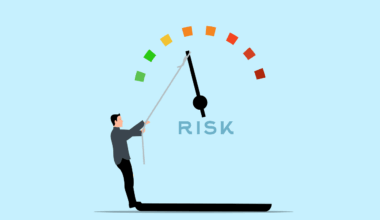

Alignment of Cyber Risk Frameworks with Business Objectives and Strategy
Effective alignment of cyber risk frameworks with business objectives is critical for organizations aiming to navigate the complex digital landscape. This alignment ensures that cybersecurity measures directly support the overarching strategic goals of the business. Organizations can begin by identifying their key business objectives and assessing how specific cyber risks may impede the achievement of those objectives. By establishing this connection, a dynamic approach to risk management can be developed, wherein cybersecurity becomes an integral aspect of strategic planning. Additionally, fostering strong collaboration between risk management and business units is essential. Through cross-functional teams, organizations will identify risks that are pertinent to their unique operating environments. Furthermore, prioritizing cyber risks according to their potential impact on organizational objectives leads to more effective resource allocation. Properly structured cyber risk frameworks can also enhance overall regulatory compliance, thereby protecting the organization from potential penalties. Furthermore, incorporating stakeholder input in the development of these frameworks can improve buy-in and awareness across the enterprise. Ultimately, the successful alignment of cyber risk frameworks with business objectives can optimize operational efficiency and strengthen the organization against evolving cyber threats.
Moreover, the integration of key performance indicators (KPIs) into cyber risk management is essential. KPIs enable organizations to monitor and measure the effectiveness of their cybersecurity initiatives quantitatively. Establishing a set of relevant KPIs that reflect both business objectives and security goals ensures a clear overview of performance against defined metrics. This method allows organizations to identify areas needing improvement proactively while also demonstrating the value of cybersecurity initiatives to stakeholders. Regularly reviewing these KPIs keeps the cybersecurity strategy aligned with changing business priorities. Additionally, utilizing a risk register facilitates ongoing risk identification and assessment processes. A well-maintained risk register acts as a central repository that records risks and their corresponding mitigation measures, allowing organizations to adapt rapidly to new cyber threats. Moreover, it offers valuable insights that can enhance informed decision-making at the executive level. Engaging in continuous training and awareness programs for employees also reinforces a culture of risk awareness across the organization. Such initiatives serve to ensure that all personnel play an active role in maintaining cybersecurity posture while safeguarding business interests.
The Role of IT Governance in Cyber Risk Frameworks
IT governance plays a pivotal role in the alignment of cyber risk frameworks with business objectives. By establishing clear governance structures, organizations can effectively manage and prioritize cyber risks in alignment with strategic goals. The governance framework should designate responsibilities among IT, security teams, and business units to ensure accountability. This delegation of tasks fosters a clear understanding of risk ownership while promoting mitigation efforts across departments. Furthermore, an effective governance model will ensure that cyber risk management is integrated within the overall risk management framework, encompassing both operational and strategic risks. It is also vital to ensure that there is transparency in reporting cybersecurity issues to senior management and the board of directors. Regular updates allow key stakeholders to remain informed about the organization’s security posture and any potential changes in risk. This continual engagement emphasizes the significance of cybersecurity in business decision-making processes. Moreover, robust communication mechanisms within the governance framework facilitate immediate response to emerging threats. By fortifying governance structures, organizations can better align their cybersecurity strategies with long-term business objectives for resilience against evolving risks.
In addition, organizations must assess their cyber maturity level as a part of aligning frameworks with business objectives. Understanding the current state of cybersecurity readiness is critical for informed risk management practices. Conducting a cyber maturity assessment provides insights into organizational strengths and weaknesses regarding cybersecurity. This examination allows organizations to develop tailored strategies that foster improvement in areas identified as lacking. Furthermore, engaging with external benchmarks can provide further context for evaluating effectiveness. By comparing internal capabilities against industry standards or best practices, organizations gain valuable insights that can inform future investments in technology and training. Using this information, cybersecurity frameworks can evolve to accommodate changes in business strategies and external landscapes. Moreover, incorporating a risk culture throughout the organization helps ensure that all employees prioritize cybersecurity in their respective roles. When an organization’s culture promotes risk awareness, it creates opportunities for proactive measures to address potential vulnerabilities. Consequently, establishing a culture of shared responsibility strengthens the organization’s overall cybersecurity framework and aligns security practices with business objectives.
Adapting Cyber Risk Frameworks for Change
Flexibility is a cornerstone of effective cyber risk management. Organizations must remain agile in their approach to cybersecurity, adjusting their risk management frameworks as needed. Rapid technological advancements and changes in regulatory requirements can impact risk profiles significantly. To mitigate these changes, businesses can conduct periodic reviews of their cyber risk frameworks to assess relevance and capability. Engaging in scenario planning exercises aids in identifying potential future risks and facilitates proactive action strategies. This preparedness enhances the ability to respond effectively to unexpected challenges while ensuring that the cyber risk framework remains aligned with evolving business objectives. Incorporating adaptive methodologies such as Agile into cybersecurity practices allows organizations to iterate and improve risk responses continuously. By fostering a mindset of continuous improvement, organizations are better suited to navigate the complexities of the digital environment. Additionally, leveraging technology solutions that promote automation and real-time monitoring of cybersecurity threats enhances situational awareness. This advancement will enable organizations to address vulnerabilities promptly and maintain alignment with business objectives efficiently. Overall, fostering an adaptable cyber risk framework is crucial for long-term organizational resilience against the increasingly sophisticated cyber threat landscape.
Furthermore, collaboration with external partners can significantly enhance the cyber risk management process. Engaging with industry peers and affiliations provides access to shared knowledge and best practices. By participating in information-sharing initiatives, organizations can broaden their understanding of the emerging threat landscape while also strengthening their security posture. Cybersecurity frameworks often benefit from incorporating insights gleaned from real-life incidents and lessons learned from peer organizations. Additionally, establishing relationships with specialized vendors can aid in enhancing security capabilities. These vendor partnerships often provide organizations with access to cutting-edge technology solutions tailored to address specific cybersecurity challenges. Organizations must also consider regulatory compliance requirements when aligning their cybersecurity frameworks. Remaining current with applicable laws, standards, and guidelines is vital in ensuring that the organization maintains legal compliance while protecting sensitive data. Building compliance into the cyber risk management process ensures a holistic approach that satisfies both business and legal requirements, further enhancing the alignment of the framework with overarching organizational strategies. In conclusion, fostering collaboration and ensuring legal compliance will yield significant benefits in aligning cyber risk frameworks with business objectives.
Measuring Success and Making Adjustments
Finally, measuring the success of aligned cyber risk frameworks is paramount for organizations that aspire to manage cyber risks seamlessly. A well-defined evaluation process that includes quantitative and qualitative assessments ensures that organizations can gauge their performance accurately. This evaluation can incorporate regular audits and assessments that benchmark the organization’s cybersecurity maturity against previously set KPIs. Moreover, soliciting feedback from employees can offer qualitative insights into the effectiveness of the cyber framework. Using this cumulative data enables organizations to determine areas needing improvement, thereby encouraging ongoing evolution within the cyber risk management framework. Adjusting frameworks as new threats emerge guarantees that organizations remain proactive in their efforts to mitigate risks. Furthermore, cross-departmental collaboration is vital in ensuring input and engagement across all stakeholders involved in the risk management process. Through these collaborative efforts, organizations develop a clearer understanding of their cybersecurity challenges and opportunities. Thus, fostering a culture of continuous feedback becomes instrumental in maintaining alignment with business objectives. Overall, embracing a cycle of learnings contributes to the long-term success of aligning cyber risk frameworks with business strategies, ensuring ongoing organizational security and resilience.
Ultimately, organizations operating in today’s digital environment must prioritize the alignment of cyber risk frameworks with their business objectives. This alignment cannot be an afterthought; rather, it should be embedded within the organization’s strategic planning processes. Doing so ensures that cybersecurity is not merely a defensive function, but an enabler of business success. In summary, aligning cyber risk frameworks with business objectives and strategy empowers organizations to navigate risks effectively while maximizing opportunities in an evolving landscape. Achieving this alignment requires a concerted effort across various levels of the organization, ensuring that every employee understands the significance of cybersecurity within the organization’s broader vision. It also entails building a culture of collaboration, continuous improvement, and shared responsibility. Ultimately, organizations that succeed in this endeavor will find themselves better equipped to face the challenges posed by cyber threats while fostering a secure environment that promotes innovation and growth. By understanding that effective risk management is a continuous journey, organizations can leverage their cyber risk frameworks as powerful tools to support their business objectives. Continuous evaluation, adaptation, and collaboration will be pivotal in achieving long-term cybersecurity and business success.