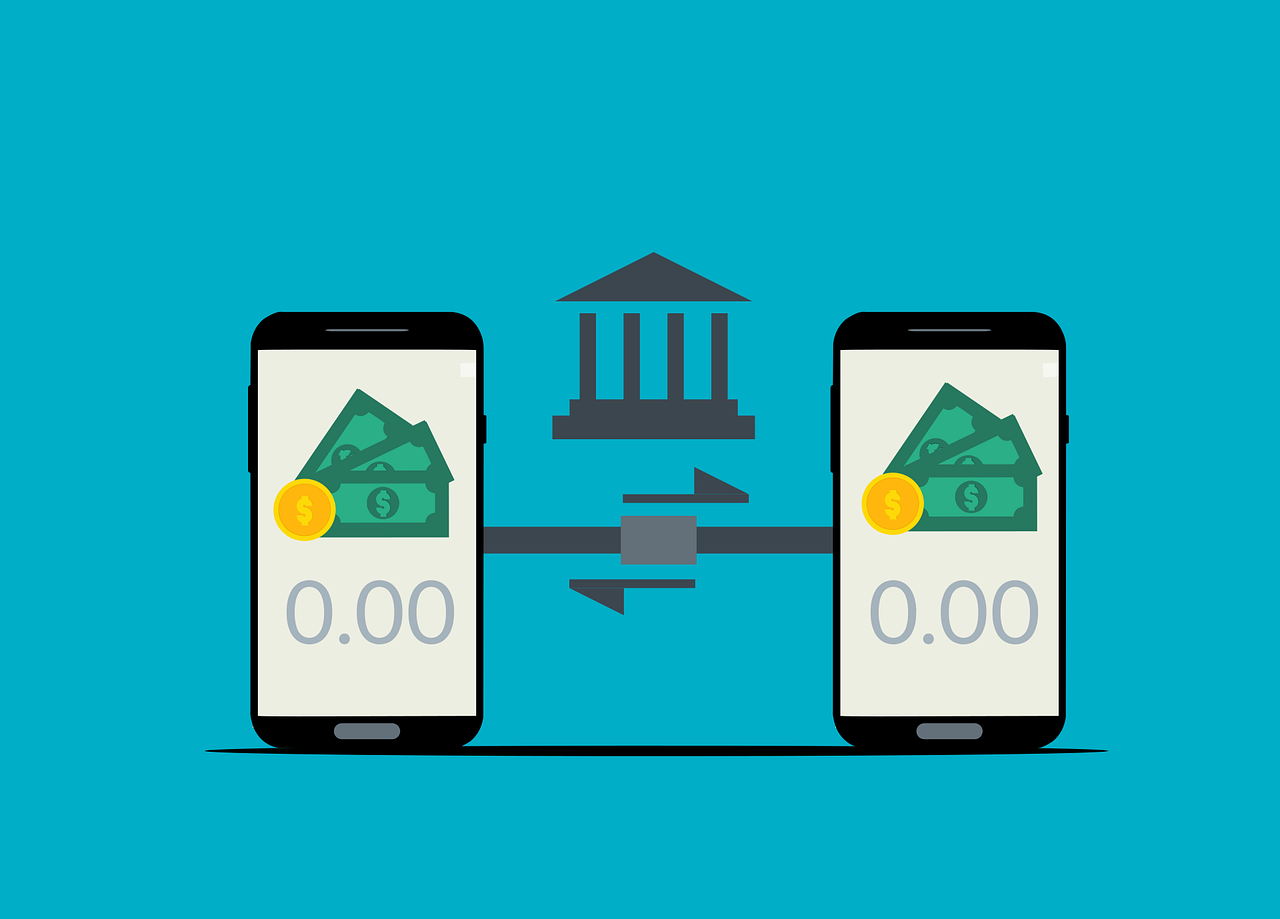

The Future of Mobile Banking in African Markets
Mobile banking in Africa has transformed the financial landscape, offering numerous opportunities to expand access to essential banking services. This growth is primarily due to the high penetration of mobile devices and the lack of traditional banking infrastructure in many regions. With the rise of the Internet and smartphones, African nations are witnessing innovative financial solutions designed to cater to their unique challenges. These solutions encompass various services such as money transfers, savings accounts, and even microloans, all accessible directly through mobile devices. Additionally, leading tech companies are investing heavily in fintech startups, fostering local talent, and encouraging innovation. Enhanced security measures, like biometric authentication, are also improving user confidence and building trust in mobile banking systems. Mobile networks are collaborating with financial service providers to create seamless experiences for clients, ensuring ease of use and functionality. The support from governmental policies further promotes the adoption of mobile banking technologies. Addressing the needs of underserved populations remains pivotal in achieving financial inclusion, enabling millions to participate in the global economy.
The Role of Fintech Startups
Fintech startups are at the forefront of mobile banking development in African markets, fundamentally reshaping traditional banking operations. These startups bring new ideas and creative solutions to age-old financial issues, such as high fees and lengthy processes. By focusing on user experience and accessibility, they often outperform established banks in providing services. For example, companies like M-Pesa in Kenya have demonstrated the efficacy of mobile money services, setting benchmarks for others to follow. Furthermore, partnerships between fintech companies and local banks ensure that solutions are tailored to meet the specific needs of African consumers. This collaboration allows for broader service offerings, risk-sharing mechanisms, and efficient customer support. It also leads to the development of wealth creation tools that help individuals save and invest wisely, contributing to their financial growth. Moreover, an increasing number of mobile banking platforms offer educational resources to empower users through financial literacy. This democratization of financial services is essential for improving economic conditions and enhancing overall community well-being across the continent.
Challenges remain in the implementation and uptake of mobile banking services, necessitating continued innovation and adaptation to local environments. Despite growing acceptance, many users are still wary of fraudulent activities, which hinder trust in mobile banking platforms. Consumer education campaigns must emphasize security features and the significance of protecting personal information. Regulatory environments across different African nations present another hurdle, as the lack of standardization can lead to confusion and discourage investment. Collaborating with governments to create clear, supportive regulations will facilitate the growth of mobile banking and encourage foreign investment in fintech. Additionally, infrastructure challenges such as electricity shortages in rural areas can affect service availability. Ensuring consistent access to reliable energy sources is therefore critical. The digital divide poses further challenges in mobile banking adoption, particularly in remote areas where internet connectivity is limited. Addressing these infrastructural barriers, alongside fostering innovation through technology, is key to unlocking the full potential of mobile banking across African markets. As the landscape evolves, stakeholders must remain flexible and adapt swiftly to changing needs.
The Impact of COVID-19
The COVID-19 pandemic has accelerated the adoption of mobile banking across Africa as individuals and businesses seek safer transaction methods. Lockdowns and social distancing measures prompted a significant shift from cash-based transactions to digital alternatives. Consumers became more comfortable with using mobile apps for everyday banking tasks such as bill payments, money transfers, and shopping. Consequently, many banks reported increased transactions on their mobile platforms during this period. This rapid growth also encouraged financial institutions to enhance their mobile offerings and improve technology-driven solutions. Innovations such as contactless payments, online account opening, and virtual customer service have gained traction as essential features. Additionally, the pandemic has highlighted the importance of financial inclusion in times of crisis, making mobile banking an indispensable tool for accessing funds and maintaining economic resilience. To sustain this momentum, ongoing investments in mobile infrastructure, security, and service diversification are crucial. As African markets continue to navigate the associated challenges of COVID-19, mobile banking emerges as a strategic priority for sustainable economic recovery and growth. The pandemic serves as a catalyst for redefining financial habits and embracing digital solutions.
As the mobile banking sector progresses, the emphasis on regulatory frameworks will become increasingly crucial in ensuring the protection of consumers. Governments must engage with stakeholders, including fintech companies and traditional banks, to create effective policies that govern mobile banking operations. Establishing guidelines concerning data privacy, user authentication, and consumer rights will enhance trust and foster a stable environment for growth. Furthermore, implementing measures to counter cyber threats and fraud will protect users and encourage wider adoption of mobile banking services. The collaboration between the public and private sectors to promote consumer education programs will also help users understand their rights and responsibilities in this digital economy. As mobile banking becomes central to everyday life, continuous stakeholder cooperation will be essential in facilitating sustainable innovation. Moreover, leveraging technology to improve service delivery can differentiate emerging players in the crowded market. Data analytics can provide insights into consumer behavior, leading to personalized products that cater specifically to the diverse needs of various demographics. Overall, a proactive approach in enhancing regulatory frameworks will support the ongoing growth of African mobile banking.
Future Trends in Mobile Banking
The future of mobile banking in African markets looks promising with several emerging trends on the horizon. Artificial intelligence (AI) and machine learning applications will revolutionize customer service and decision-making processes within banking operations. These technologies can provide personalized experiences, predictive analytics, and enhance risk assessment strategies. Additionally, the rise of blockchain technologies has the potential to improve transaction transparency and reduce costs associated with cross-border remittances. The demand for cryptocurrency as a payment method is also growing among African consumers, signaling a shift towards decentralized financial ecosystems. Furthermore, mobile banking applications will likely integrate social features, allowing users to easily share financial resources or create group savings plans. Partnerships between tech giants and financial institutions will continue driving innovation and expanding service offerings. Sustainability will gain prominence, with green banking initiatives becoming indispensable to appeal to environmentally-conscious consumers. This evolution indicates a significant shift toward inclusivity and enhanced experiences within the mobile banking landscape. As the sector adapts to technological advancements, the potential to boost economic development across Africa is immense.
In conclusion, mobile banking represents a vital avenue for economic advancement and financial inclusion in African markets. The interplay between innovative fintech startups, supportive regulatory frameworks, and evolving consumer behavior will shape the future of this digital landscape. As stakeholders work collaboratively and address challenges, the focus will be on continuous improvement and adaptation to meet emerging needs. The ongoing emphasis on education and trust-building will be paramount in encouraging more users to embrace mobile banking services. Ultimately, with the right strategies and investments, mobile banking can empower millions across the continent, contributing to their overall socio-economic well-being. The role of strategic collaborations and technological innovations cannot be understated as they will spearhead growth in this space. By continually reflecting on user experiences and expectations, the mobile banking sector will remain agile in meeting market demands. Enhancing inclusivity within services ensures that even marginalized populations can partake in the financial ecosystem. The future of mobile banking in Africa, therefore, is not just focused on accessing services, but actively fostering a culture of economic empowerment, resilience, and sustainable growth.
Looking ahead, stakeholders must maintain a visionary perspective on mobile banking’s role in African economies. A deeper understanding of local dynamics and community-specific requirements will signal the direction for financial solutions. As Africa continues to be a vibrant ground for innovation, leveraging digital platforms to navigate challenges will become increasingly critical. In achieving widespread adoption of mobile banking services, it is essential to address concerns surrounding security, access, and technological literacy. Encouraging efficient regulatory policies will foster an attractive landscape for investment and entrepreneurship. The continuation of partnerships between banks, fintech companies, and governments will pave the way for collective growth, enhancing the overall ecosystem and uplifting underserved populations. In parallel, promoting digital literacy programs can help equip consumers with crucial skills to navigate the digital banking realm. As diverse solutions surface, flexibility and adaptability to evolving market needs will define the success and sustainability of mobile banking. With proactive strategies and a commitment to customer-centric approaches, the future of mobile banking in Africa can lead to unprecedented financial inclusivity and transformative social change.