
The Role of Credit Utilization in Credit Scoring
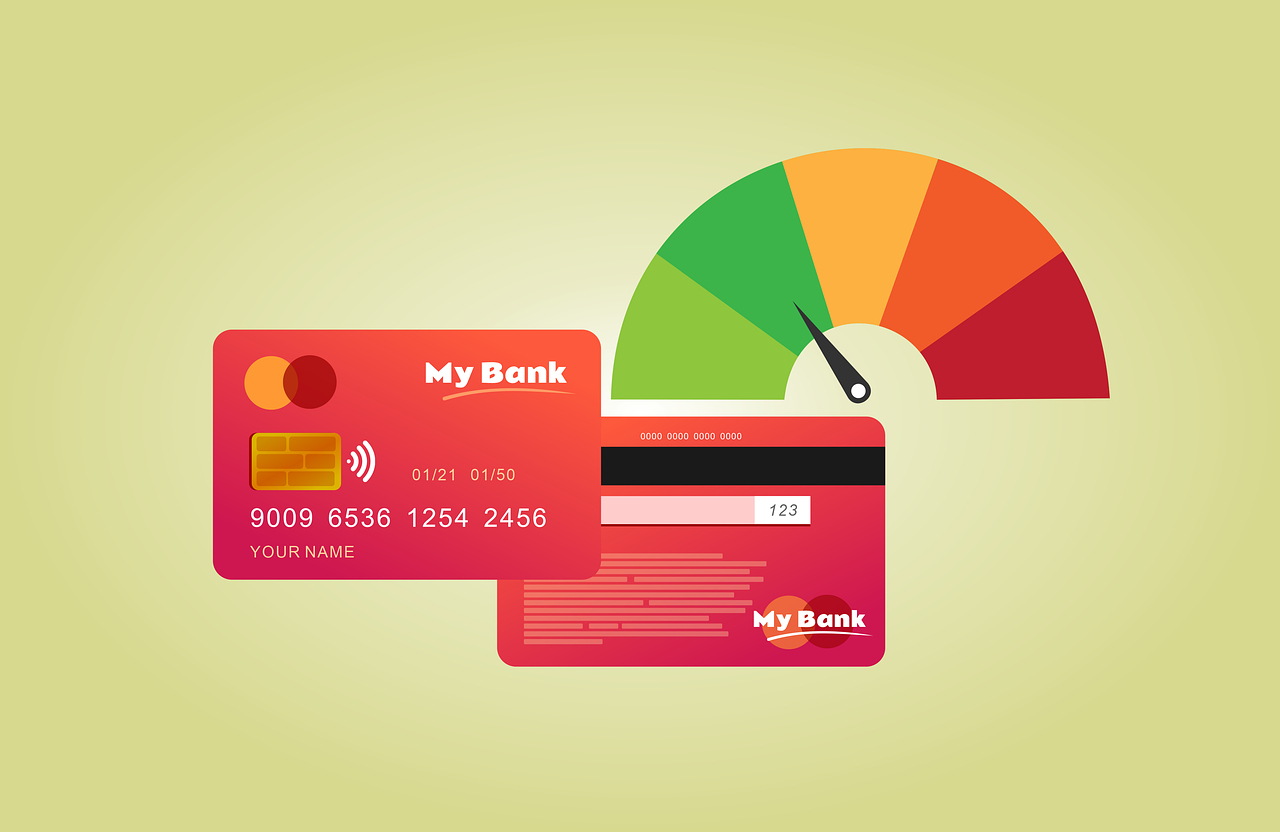
Understanding credit utilization is essential for maintaining a good credit score. Credit utilization refers to the amount of credit you are using compared to your total available credit. This ratio is critical because it is one of the key factors that credit bureaus consider when calculating your credit score. Generally, a lower credit utilization ratio is favorable and suggests to lenders that you are managing your credit responsibly. Ideally, you should aim for a credit utilization rate below 30%. If your utilization is consistently high, it can negatively impact your score. Many financial experts recommend monitoring this ratio actively to ensure you remain within a healthy range. Strategies like paying down existing debts or increasing your credit limits can help manage credit utilization. This careful management reflects responsible financial habits, making you a more attractive borrower. Always strive to understand how your spending habits affect your credit profile. By being informed and proactive, you can improve your chances of obtaining loans with favorable terms in the future. Maintain awareness of how credit utilization works and take steps to keep it low.
Credit scores are influenced not just by the total debt but also by credit utilization habits. For example, maxing out credit cards can indicate financial distress or mismanagement, leading to lower scores. Conversely, using low percentages of your available credit demonstrates financial responsibility. Creditors look at both the total amount owed and the utilization ratio to gauge risk levels. This duality of evaluation means that having several cards with low balances can actually bolster your credit health. Think of your credit utilization as a balancing act; too high, and you risk a plunge in scores. Too low, and lenders may wonder about your credit behavior. Regularly checking your credit report can help you assess your utilization and spot any discrepancies that might be adversely affecting your score. Credit reports can be obtained for free from several resources. Monitoring this and other data helps you maintain a good score over time, which is essential for improving financial health. With proactive management of your credit utilization, you can avoid pitfalls that lead to low scores. Focus on strategies that promote a balanced financial life while using credit wisely.
Strategies to Improve Credit Utilization
Improving your credit utilization helps elevate your credit score significantly. One effective way to do this is to pay down outstanding balances on your credit cards. Another strategy is to request an increase in your credit limit, which could lower your credit utilization ratio. Combining these tactics allows for a smarter approach to spending on credit. Additionally, you might consider spreading out your purchases across multiple accounts. This helps ensure that no single card is close to its limit. However, always manage spending wisely to avoid accumulating unnecessary debt. Being disciplined about payments is equally important. Make it a habit to pay off balances in full each month to avoid interest and keep utilization down. Remember, even if you can make the minimum payments, carrying a balance over can impact your utilization ratio negatively. Another strategy to keep in mind is to limit the number of new credit accounts you apply for. Each application may result in hard inquiries, affecting your score. Maintain good spending habits by using credit cards for planned purchases rather than impulsive ones.
Another essential factor to remember when examining credit utilization is timing. Your credit report and utilization ratio reflect your balance at the time of reporting, typically at the end of your billing cycle. Thus, even a high credit utilization can be reduced by making a payment before your statement closes. Regularly managing this aspect is crucial, especially during significant purchases or financial events. It could be beneficial to maintain close contact with your creditors about reporting dates. Delaying credit card payments until after the statement date will raise your utilization ratio temporarily, potentially impacting your score. Being acutely aware of your payment cycles enables you to strategize your usage effectively. A balance strategy makes it easier to maintain a utilization rate that supports long-term credit goals. Consequently, building a solid financial foundation often includes improving this overlooked aspect of credit management. In summary, consider the timing of payments your major expenses as part of a broader strategy for maintaining a good score. Tracking this regularly can prove advantageous when evaluating your financial position.
The Impact of Credit Utilization on Future Borrowing
As you work on your credit utilization, remember that it can significantly affect future borrowing opportunities. Lenders assess credit scores to determine eligibility for loans or credit cards. A high utilization ratio may indicate you are overly reliant on credit, raising red flags. If you plan to apply for a significant loan, such as a mortgage, ensuring your credit utilization is low will increase your chances of approval and favorable terms. Furthermore, a positive credit utilization rate can result in lower interest rates on loans, saving you money in the long run. A good score, influenced heavily by credit utilization, can open doors to better financial products and a wider array of lenders. It also increases your negotiating power. Always prepare your credit profile ahead of major purchases. Take the time to analyze your credit health thoroughly, understanding that credit utilization isn’t just an abstract number but a crucial element in your overall financial strategy. Focus on optimizing it consistently for the best outcomes when navigating major financial decisions.
Being aware of the implications of credit utilization may assist you in navigating credit management with confidence. Many people overlook how their spending patterns directly influence their overall credit profile. Utilizing resources like credit counseling or personal finance apps can help keep track of your spending and manage your credit utilization. These tools often provide insights into how different behaviors will affect your score over time. Regular analysis of your spending habits and ratios will equip you with the knowledge to adjust as necessary. Having reliable data enables you to anticipate potential gestures for improvement, such as lower balances or strategic spending conditions. Additionally, using the insights from credit counseling services can illuminate paths toward maintaining lower utilization rates. Advisors may also recommend various financial products that align with your credit goals while helping you avoid common pitfalls. Keeping informed about these resources enables you to make more educated decisions regarding credit usage. It can also bolster your longevity in maintaining solid financial health, promoting a sustainable path to managing credit utilization effectively.
Conclusion and Final Thoughts on Credit Utilization
In conclusion, credit utilization plays a pivotal role in shaping credit scores and, subsequently, financial opportunities. By understanding the nuances of this critical ratio, you empower yourself to make informed financial decisions. Establishing a routine of monitoring your credit utilization regularly will significantly improve your chances of achieving higher credit scores. It encourages responsible financial behaviors that not only benefit your credit profile but also foster better overall financial health. Learn to strike the right balance between utilizing credit effectively and keeping those ratios low. Implementing the strategies mentioned will help you manage your credit utilization more successfully, making you an appealing borrower. Additionally, consider additional aspects of your financial health, such as payment history and overall debt, as you work towards optimizing your credit management. Stay proactive by continually educating yourself about different facets of credit, ensuring you are well-prepared for any financial situation. Keep credit utilization in focus as an essential piece of your financial strategy, leading to a promising future where financial freedom is within reach.
Take the time to understand how credit utilization impacts your personal financial profile. By being diligent and informed, you can harness the power of your credit, ensuring that it works for you rather than against you.