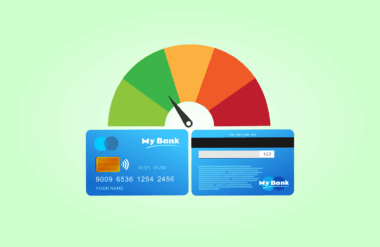

Credit Risk Reporting and Transparency in Banks
Credit risk is a significant concern for banks as it directly impacts their overall stability and profitability. Effective credit risk reporting and transparency are essential for managing potential losses arising from borrower defaults. A well-structured reporting framework provides stakeholders with critical insights into the bank’s exposure to credit risk. Transparency improves trust between banks and their clients, regulators, and investors. It also enables a more informed decision-making process, which is vital in fostering a stable banking environment. By accurately reporting credit risk, banks can comply with regulatory requirements and strengthen their risk management practices. This ultimately contributes to a safer financial system, where both lenders and borrowers can operate effectively. Overall, maintaining a transparent credit risk reporting framework is not just a regulatory requirement; it is fundamental for sustainable banking practices. Banks must invest in robust data analytics tools to enhance their reporting processes and ensure that information is accurate, timely, and relevant. In addition, fostering a culture of transparency encourages all stakeholders to take responsibility for their roles in managing credit risk.
One vital aspect of credit risk management is the assessment of borrowers’ creditworthiness and the potential risks they may pose. Banks employ various models and techniques to evaluate credit risk, including credit scoring, risk rating systems, and qualitative assessments. Accurate credit risk measurements must consider multiple factors, including a borrower’s financial history, credit score, industry conditions, and macroeconomic indicators. Moreover, stress testing methodologies allow banks to predict potential losses under adverse conditions. Effective transparency in these risk assessment processes leads to better communication between banks and their customers, allowing borrowers to understand their credit standing. Additionally, clear communication reduces misunderstandings and increases cooperative behavior toward debt repayment. Regulators and stakeholders require banks to publish detailed reports on their credit risk exposure regularly. Such disclosures help strengthen market discipline and promote accountability in the banking sector. Thus, banks must embrace effective credit risk reporting and align their practices with international standards to ensure operational resilience and protect their reputation.
The Role of Regulatory Guidelines
Regulatory guidelines play an important role in shaping effective credit risk reporting and transparency practices among banks. Institutions such as the Basel Committee on Banking Supervision provide comprehensive recommendations designed to enhance the overall stability of the financial system. Compliance with these guidelines helps banks fortify their risk management frameworks while simultaneously ensuring they maintain adequate capital buffers. Furthermore, these regulations help standardize practices across various banking institutions, thus promoting fairness in the industry. Banks that adhere to these standards can improve their overall credit assessment processes, reducing the chances of defaults and enhancing overall sector resilience. Regulatory bodies often require banks to disclose specific metrics concerning their credit risk exposures and management strategies. Such disclosures assist investors and consumers in making informed choices when evaluating banking institutions. The merging of regulatory expectations with best practices fosters a culture of transparency that benefits the entire financial ecosystem. As a result, banks that prioritize regulatory compliance not only safeguard their operations but also support a more transparent and trustworthy banking environment.
Incorporating technology into credit risk reporting and transparency is crucial in today’s banking landscape. Advanced data analytics and machine learning algorithms enable banks to derive actionable insights from vast amounts of financial data. Additionally, these technologies allow for real-time monitoring of borrowers’ credit profiles, enhancing the speed of risk assessments. Innovations such as blockchain technology can further improve transparency by providing immutable records of all transactions and credit histories. By facilitating better tracking of credit data, blockchain enhances confidence among stakeholders, including regulators and customers. Furthermore, user-friendly digital platforms leave borrowers feeling more empowered, as they can easily access their credit information and understand where they stand. This approach promotes proactive management of financial behaviors among borrowers. Ultimately, leveraging technology in credit risk reporting can lead to more efficient processes, better risk assessment models, and improved regulatory compliance. Banks investing in these technologies will not only sharpen their competitive edge but also create a more transparent banking landscape, encouraging healthier financial practices.
Benefits of Enhanced Credit Risk Transparency
Enhanced credit risk transparency provides a multitude of benefits for banks, borrowers, and the financial system as a whole. For banks, increased transparency helps build credibility and trust, both internally and externally. This trust is vital for maintaining strong relationships with regulators, investors, and clients. It also promotes a culture of accountability, encouraging staff to prioritize accurate reporting and diligent risk assessments. For borrowers, transparency translates into clearer communication about the lending process, terms, and conditions. This understanding ultimately leads to responsible borrowing and timely repayments, reducing overall default rates. Further, effective credit risk transparency supports new lending opportunities, as potential borrowers are treated more equitably based on their risk profiles rather than being subjected to arbitrary lending decisions. In the broader financial context, enhanced transparency encourages competition among banks, prompting them to innovate in risk management practices and customer service. Ultimately, a transparent credit risk environment fosters a more resilient banking sector, capable of adapting to changing economic conditions while safeguarding both institutional and customer interests.
Challenges surrounding credit risk visibility remain a key concern for banks striving for transparency. First, the complexity and variability of credit analytics models can hinder the consistent reporting of credit risks across different banks. Without standardization, comparisons between institutions can become difficult, potentially undermining stakeholder confidence in the banking system. Additionally, evolving technology and cyber threats pose risks to data security and integrity; unauthorized access to sensitive credit information could result in breaches that compromise transparency efforts. Moreover, regulatory changes can create confusion regarding compliance requirements, making it challenging for banks to adjust their practices appropriately. Thus, banks must continuously evolve their risk management frameworks to address these persistent challenges, engage in meaningful dialogue with regulators, and adopt adaptive solutions that provide accurate information to stakeholders. Furthermore, investing in employee training and technology upgrades ensures that institutions remain resilient against unforeseen changes in the risk landscape. Collaboration with external experts and other banks can also help share best practices and address common challenges in a coordinated manner.
Future Directions in Credit Risk Reporting
As the financial landscape continues to evolve, credit risk reporting must adapt to meet new challenges and expectations. The integration of artificial intelligence and advanced analytics in credit risk assessment is likely to play a significant role in shaping future practices. These innovations can facilitate dynamic credit risk evaluations, enabling banks to respond more swiftly to market fluctuations and borrower behaviors. Moreover, as sustainability and social governance factors gain significance, integrating environmental, social, and governance (ESG) criteria into credit risk assessments will become increasingly important. This shift can influence lending decisions and support sustainable finance initiatives. The growing emphasis on data privacy and protection will also necessitate a recalibration of reporting practices, ensuring that stakeholders, including regulators and borrowers, can trust the information provided. Furthermore, the concept of real-time reporting may emerge, allowing banks to deliver timely insights into their credit risk exposure. Ultimately, a forward-thinking approach to credit risk reporting will enable banks to navigate uncertainties effectively and maintain the stability of the financial system.
In conclusion, effective credit risk reporting and transparency are crucial elements for fostering a sustainable banking environment. As financial institutions navigate an increasingly interconnected and challenging landscape, they must prioritize transparency in their credit risk assessments and reporting practices. A transparent approach not only enhances stakeholder trust but also supports responsible borrower behavior and informed lending decisions. Compliance with regulatory guidelines, leveraging technology, and integrating ESG criteria into credit risk assessment will position banks for success in the future. Despite the challenges posed by complex data landscapes and evolving regulations, continuous improvement in credit risk reporting will empower banks to understand and mitigate risk effectively. By remaining proactive and collaborative, financial institutions can build a resilient credit management framework that benefits all stakeholders, including their clients, investors, and the broader economy. Ultimately, transparency in credit risk practices strengthens overall financial stability and supports a healthier banking ecosystem. The journey towards effective credit risk reporting is an ongoing process, yet the rewards of maintaining open lines of communication and accurate risk assessments are invaluable. Together, we can work towards a more transparent financial future.