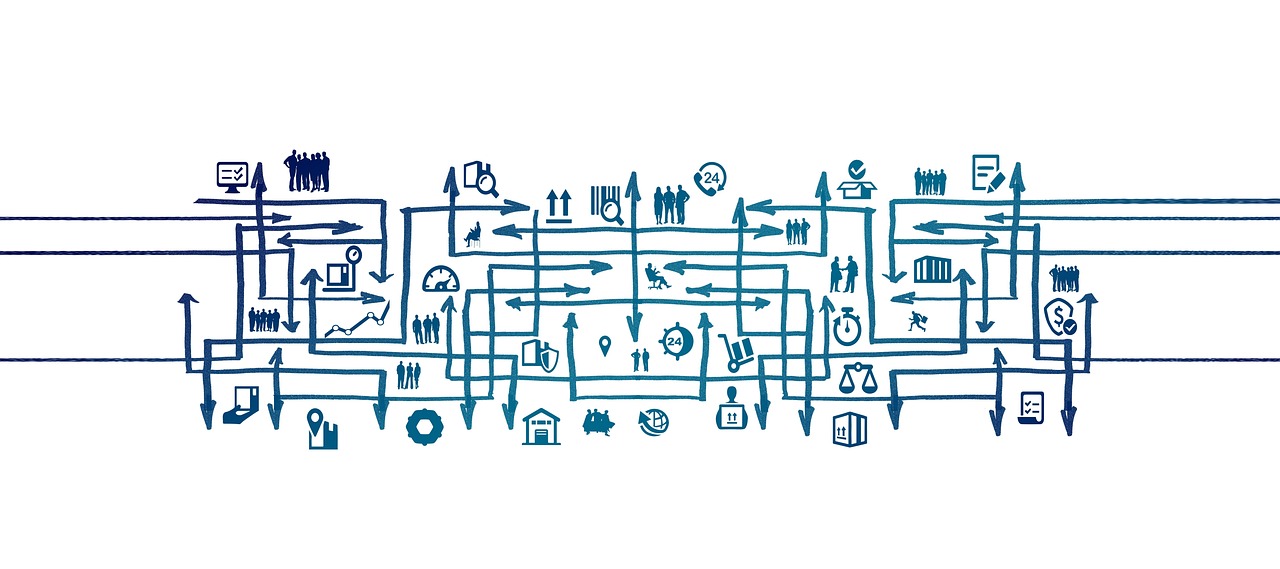

Governance Models for Complex Projects
Governance models play a critical role in the success of complex projects. These frameworks guide decision-making processes, delineate roles, and provide accountability structures. When implementing such models, organizations must first assess the unique nature of their projects, as complexity can vary widely. Factors influencing complexity include project size, stakeholder diversity, and technological challenges. Models can be tailored to meet specific project demands, ensuring alignment with organizational goals. Common governance models include the Project Management Office (PMO), Steering Committees, and Agile governance frameworks. Each model offers distinct approaches to oversight, including varying levels of stakeholder involvement. Proper governance establishes a foundation for risk management practices, increases transparency, and enhances stakeholder trust. Additionally, effective communication strategies are essential within governance structures to ensure that all team members understand their responsibilities. In the context of increasingly complex projects, adapting the governance model to reflect changing circumstances is vital. Ultimately, the right governance model helps organizations navigate ambiguity and promotes sustained project success over time. By prioritizing governance, project managers can focus on delivering value while maintaining compliance with regulatory and organizational standards.
Roles and Responsibilities in Governance
Defining roles and responsibilities within governance models is fundamental to project success. Clearly outlined responsibilities enhance accountability and facilitate teamwork among all stakeholders. Typically, governance structures involve a range of actors, including project sponsors, steering committees, project managers, and other key stakeholders. Project sponsors are responsible for funding and strategic alignment, ensuring that project goals resonate with organizational objectives. Steering committees oversee the project and provide essential direction, fostering collaboration among diverse interests. Project managers are tasked with day-to-day execution, meticulously navigating resources and timelines. Clear delineation of these roles helps streamline communication and decision-making processes, ultimately leading to improved project outcomes. It prevents overlap and confusion that could arise without a well-designed structure. Effective governance also promotes stakeholder engagement by integrating feedback mechanisms within the project lifecycle. While establishing roles is important, it is equally crucial to empower individuals within these roles through proper training and support. This fosters a culture of accountability and shared ownership of project outcomes. By ensuring alignment between varied roles, organizations can achieve smoother project execution and better alignment with business strategy.
In identifying suitable governance models for complex projects, organizations can opt for various approaches. Each model can be assessed based on its appropriateness for specific project types and stakeholder environments. For instance, Agile methodologies emphasize flexibility and rapid responses to changes, making them well-suited for fast-paced environments. Alternatively, traditional models, such as the Waterfall approach, offer structured phases and can benefit projects with well-defined requirements. As complexity increases, hybrid models emerging from these traditional and Agile methodologies gain popularity. This combination allows for customization based on evolving project needs. Furthermore, organizations can leverage technology to enhance governance processes, such as utilizing project management software that integrates real-time data for better decision-making. Regular evaluations of governance frameworks improve responsiveness to changing project landscapes. Investing in continuous improvement initiatives helps maintain governance relevance and effectiveness. Collaboration software can also bridge communication gaps and foster transparency among stakeholders. Enhancing governance through these strategies ultimately empowers teams to respond effectively to challenges without jeopardizing project integrity, thereby fostering an environment of resilience and accountability.
Challenges in Governance Models
Despite the benefits of governance models, challenges inevitably arise in their implementation. Recognizing and addressing these challenges is critical for maintaining effective governance. Common issues include resistance to change, lack of stakeholder engagement, and insufficient training. Resistance to change may stem from team members who favor traditional methods over new governance practices. To combat this, extensive communication and demonstrating the advantages of new models can help shift perceptions. Additionally, improving stakeholder engagement by soliciting input and feedback fosters a sense of inclusion. This involvement often leads to higher commitment levels among stakeholders. Organizations must also provide continuous training and support to equip teams with the necessary tools for effective governance. Insufficient training can undermine the governance structure, leading to poor execution and a lack of clarity. Therefore, establishing integrated training programs alongside governance models is essential for success. Moreover, evaluating the effectiveness of governance regularly identifies areas for improvement, fostering an environment of learning. By proactively managing these challenges, organizations can enhance their governance frameworks, leading to increased project success and stakeholder satisfaction.
Implementing effective governance frameworks not only addresses challenges but also offers numerous advantages to organizations. A well-structured governance model promotes clarity in roles and responsibilities, essential for ensuring that all stakeholders understand their contributions. This clarity facilitates seamless collaboration, streamlining the project workflow. Enhanced credibility is another benefit, as stakeholders gain confidence in the project’s management and oversight through transparent governance practices. Effective governance also assists in aligning project goals with organizational strategy, ensuring that each initiative contributes value. Comprehensive risk management strategies are often built into governance frameworks, allowing organizations to identify, assess, and mitigate potential risks promptly. Moreover, maintaining stakeholder engagement fosters trust and cooperation, critical elements in complex projects where diverse interests could create friction. Organizations can improve their decision-making processes through data-driven insights derived from governance structures. Regular reporting and documentation standards instated within these models provide stakeholders with pertinent information regarding project status and risks. In summary, effective governance frameworks empower organizations to navigate the complexities of today’s projects while yielding tangible benefits that enhance overall efficiency and effectiveness.
Future Trends in Project Governance
As organizations evolve, so too do governance models, adapting to meet emerging trends and challenges. One prominent future trend is the increasing emphasis on digital tools and platforms that facilitate governance processes. These tools enable real-time tracking of project performance and enhance communication among stakeholders. Additionally, data analytics play a critical role in shaping governance frameworks; predictive analytics can provide insights into potential risks and inform decision-making processes. Organizations increasingly adopt adaptive governance models that are flexible and can swiftly respond to project dynamics. This flexibility allows organizations to pivot quickly in response to stakeholder feedback and market changes. Furthermore, sustainability is becoming a core focus within governance, as stakeholders demand accountability regarding environmental and social governance (ESG) practices. Integrating ESG considerations into governance frameworks not only fulfills regulatory requirements but also enhances organizational reputation. Lastly, organizations are recognizing the importance of fostering inclusivity within governance structures, ensuring diverse input and perspectives contribute to decision-making. These trends highlight the evolution of governance in response to changing project landscapes, ultimately shaping the future of project management.
In conclusion, governance models are fundamental to the success of complex projects, providing essential structures that guide decision-making processes. By clearly defining roles and responsibilities, organizations can enhance accountability and promote engagement among stakeholders. Adapting governance frameworks to meet the unique demands of each project ensures that they evolve alongside changing project landscapes. Overcoming challenges in governance implementation can be achieved through training, engagement, and continuous evaluation, paving the way for improved effectiveness. Furthermore, embracing emerging trends such as digital tools, analytics, and sustainability will drive innovation in governance practices. Aligning governance models with organizational goals maximizes value delivery while managing risk. Ultimately, organizations that prioritize the development of robust governance frameworks position themselves to navigate complex projects successfully and achieve enduring project success. As the nature of projects continues to evolve, so too must the governance models that underpin them, ensuring they remain relevant and effective in fostering project success. This ongoing commitment to governance will shape the future of project management, promoting not only efficiency but also aligning projects with wider organizational values.
As we move toward a more interconnected world, the importance of effective governance models in project management cannot be overstated. Organizations that invest in developing agile, responsive governance frameworks will be better positioned to adapt to the future landscape of projects. Ensuring stakeholder involvement at all governance levels is fundamental to fostering collaboration and alignment with project goals. The successful implementation of governance models hinges upon the ability to manage complexity and leverage innovative methods that enhance project performance. With continued advancements in technology, data-driven approaches to governance increasingly allow for deeper insights into project health and potential issues. Such insights enable organizations to make informed, timely decisions that drive project success. In looking forward to the future of project governance, a commitment to continuous improvement and adaptation will be essential to navigate the challenges ahead. By fostering accountability, transparency, and inclusivity, organizations can create a more engaged workforce, ultimately leading to more successful project outcomes. A proactive approach to governance not only mitigates risk but also empowers teams to achieve their goals with confidence and clarity. Ultimately, embracing these principles will lay the groundwork for sustainable project success in an ever-evolving market.