
Ensuring Transaction Integrity in Secure Trading Systems
Transaction integrity is crucial in the financial sector, where security breaches can lead to massive losses. A secure trading system must prioritize preventing unauthorized access, ensuring that only authenticated users can initiate and process trades. This involves multiple layers of security. Firstly, solid encryption techniques secure data both at rest and in transit. Secondly, advanced authentication methods, such as multi-factor authentication (MFA), are vital for verifying user identities. Moreover, it is imperative for trading platforms to adopt robust policies on data access control. Regular updates, patches, and security audits contribute to maintaining system integrity and performance. Additionally, implementing a strict protocol for handling and storing sensitive information minimizes risks associated with data leaks. For organizations, prioritizing security means investing in top-tier cybersecurity tools and training staff extensively in best practices. As cyber threats evolve, staying updated with the latest security trends becomes indispensable. Trust and transparency are key factors for clients when choosing a trading platform. A system that demonstrates commitment to security will foster lasting client relationships and adherence to regulatory compliance.
Components of Secure Trading Systems
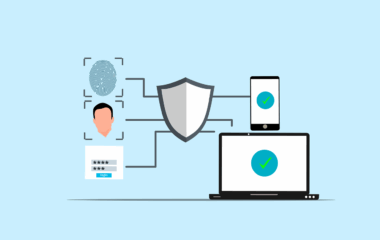
In the development of secure trading systems, several essential components enhance transaction integrity. These include encryption, authentication mechanisms, intrusion detection systems (IDS), and regular surveillance of activities. Encryption algorithms play a significant role in safeguarding the confidentiality of data exchanged between users and trading platforms. Additionally, utilizing public key infrastructure (PKI) ensures that both sending and receiving parties can verify each other’s identities. Authentication systems responsible for confirming user identities through various means, including biometric features or hardware tokens, play a pivotal role in preventing unauthorized access. Furthermore, IDS actively monitors network traffic for any suspicious activities that may indicate breaches. This proactive approach enables timely detection and response to potential threats. Implementing these components not only protects sensitive financial information but also enhances user trust in the platform. Regular audits and compliance checks ensure that these systems work as intended while adapting to emerging threats. By investing in technology and security protocols, trading platforms can mitigate risks effectively and maintain integrity while conducting financial transactions.
Another critical factor in maintaining transaction integrity in secure trading systems is compliance with regulations and standards. Regulatory bodies, such as the Financial Industry Regulatory Authority (FINRA) and the Securities and Exchange Commission (SEC), impose strict guidelines regarding data protection, reporting, and operational transparency. For trading platforms, adherence to these regulations not only safeguards against penalties but also enhances credibility among users. Establishing a framework that incorporates industry standards, such as PCI DSS for payment transactions, ensures that trading systems maintain a high level of security and user trust. It is essential for organizations to continuously review compliance requirements, as regulatory standards are dynamic and evolve with technological advancements and emerging threats. Regular training sessions for employees about these regulations can promote a culture of security awareness. Engaging third-party auditors is also an effective strategy for assessing compliance comprehensively and identifying potential vulnerabilities within the system. By merging compliance with security practices, trading platforms can create a secure environment that not only protects assets but also builds strong investor confidence over time.
The Role of Technology in Secure Trading Platforms
Technology profoundly shapes secure trading platforms, allowing for enhanced transaction integrity and risk management. Artificial Intelligence (AI) and Machine Learning (ML) are increasingly used to analyze transaction patterns and identify anomalies that indicate fraudulent activity. Moreover, AI can automate security processes to react swiftly to any suspicious activities. Blockchain technology also plays a vital role by providing an immutable ledger for all transactions, further enhancing transparency and trust between parties. By ensuring that transaction history cannot be altered, blockchain reduces the likelihood of fraud. Trading systems equipped with advanced technological solutions empower organizations to monitor transactions in real-time while facilitating compliance with regulatory standards. Furthermore, integration of risk management tools enables better assessment of market conditions, thus helping to mitigate potential risks before they escalate. Adopting innovative technologies can streamline operations and lead to the development of more resilient trading platforms. By carefully selecting and implementing these technologies, trading systems not only improve efficiency but also establish robust safeguards that protect user data and ensure secure transactions.
Further enhancing transaction integrity in secure trading systems involves developing a culture of security awareness throughout the organization. All employees, from top management to operational staff, must understand their roles in maintaining security protocols. Regular training sessions focus on identifying phishing attempts, managing passwords, and recognizing other cybersecurity threats. Moreover, creating a clear communication line for reporting suspicious activities can foster responsiveness among employees. Organizations should encourage a proactive stance on security by integrating it into their corporate culture. Utilizing user-friendly tools and resources can facilitate adherence to best practices while avoiding common pitfalls. Furthermore, organizations must establish incident response plans to minimize losses in case of a security breach. These plans should be regularly tested through simulations that help team members understand their responsibilities and improve reaction times. Continuous feedback loops can also be implemented to learn from past incidents, thus enhancing future responses. A steadfast commitment to building a security-literate workforce enables financial institutions to fortify their trading systems significantly, ultimately protecting both the organization and trading clientele from potential cyber threats.
Future Trends in Secure Trading Systems
The landscape of secure trading systems is rapidly evolving due to advances in technology and emerging cyber threats. As trading practices become increasingly digital, organizations must stay ahead of the curve by investing in adaptive security measures. One major trend involves the integration of biometric technology for authentication purposes. By leveraging fingerprints or facial recognition, trading platforms can enhance security while improving user experience. Furthermore, the rise of quantum computing presents both opportunities and challenges for data security. While quantum technologies can significantly boost encryption methods, they also pose risks, rendering current encryption approaches less effective. As a result, secure trading systems must prepare for future advancements by researching quantum-resistant algorithms. Additionally, embracing cloud technologies is becoming standard as they offer scalable solutions for secure trading environments. However, this requires organizations to maintain strict data protection protocols and choose reliable cloud service providers. Adopting a forward-looking perspective enhances resilience and enables trading platforms to remain competitive in a fast-paced market while prioritizing transaction integrity amid evolving cyber threats.
Lastly, partnership and collaboration play essential roles in reinforcing transaction integrity in secure trading systems. By engaging with cybersecurity experts and technology firms, organizations can gain access to the latest advancements, tools, and best practices. Collaborating enhances knowledge sharing while pooling resources to combat common threats. For instance, financial institutions might join forces to develop collective threat intelligence databases, allowing them to respond swiftly to emerging vulnerabilities in the industry. This kind of partnership enables businesses to stay informed about potential risks and fosters a sense of unity in securing their shared ecosystem. Additionally, sharing insights and findings from security incidents can lead to improved strategies and preventative measures for all involved. As cybercriminals continuously refine their tactics, the financial sector must prioritize cooperation and build an interconnected defense network. Ultimately, fostering a community of shared responsibility enhances the overall security posture of trading platforms, which not only protects individual organizations but also fortifies the entire financial ecosystem, ensuring sustained growth and stability.