
The Impact of Emotional Intelligence on Leadership Coaching and Mentoring
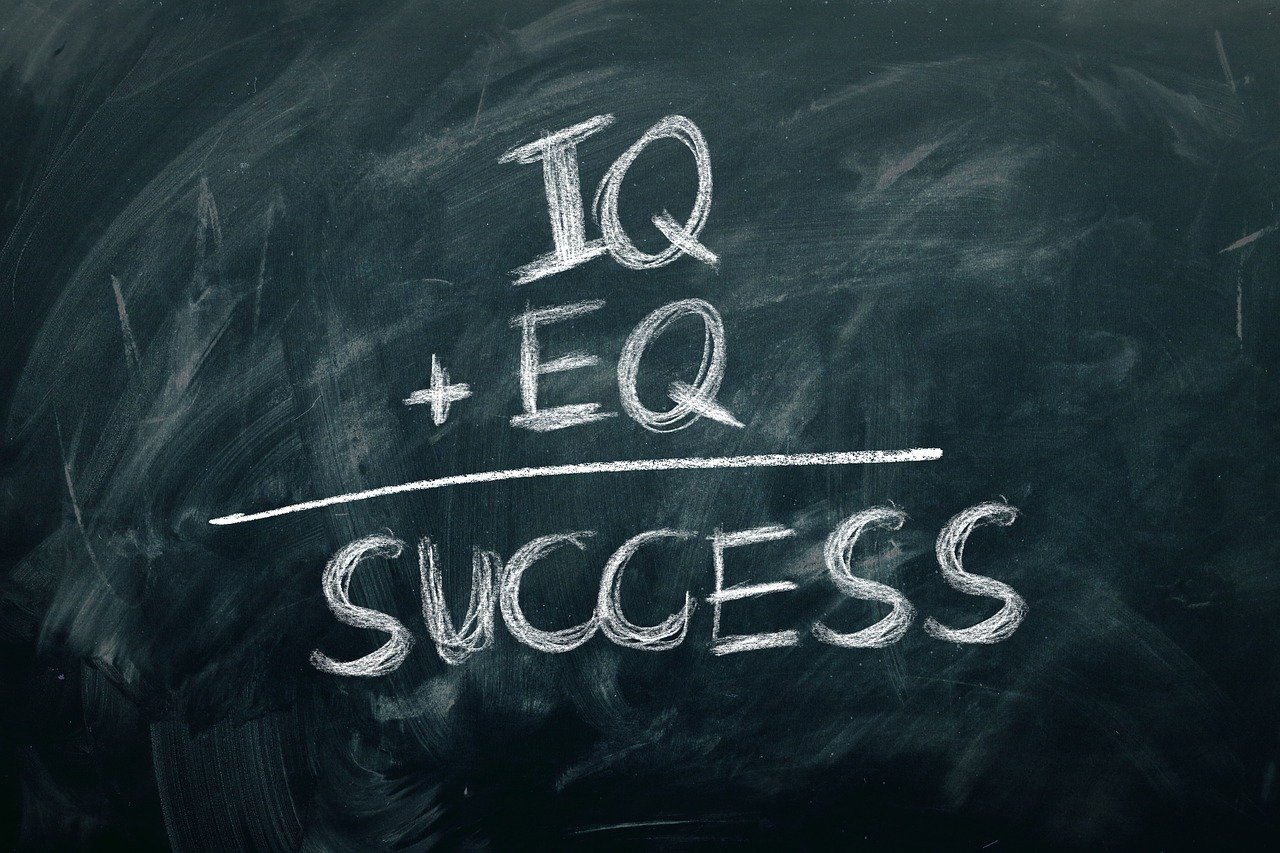
Emotional Intelligence (EI) plays a crucial role in effective leadership coaching and mentoring. Leaders with high EI can better perceive and manage their own emotions, as well as those of others. This enhanced awareness allows them to build stronger relationships with their coachees and mentees. An emotionally intelligent leader can create a safe space for individuals to express themselves and promote open communication. Consequently, this environment fosters trust and collaboration within the team. When coaching, emotionally intelligent leaders can tailor their approaches according to the emotional state and needs of the person they are helping. They recognize when someone is overwhelmed or stressed. By deploying empathetic listening and validating feelings, they help individuals navigate challenges more effectively. Furthermore, EI aids in conflict resolution as emotionally intelligent leaders remain calm and composed, helping diffuse tension. In this way, EI is not just about personal emotional control but also about using that ability to positively influence others. Thus, emotional intelligence enhances leadership skills, facilitating better outcomes in coaching and mentoring relationships.
Understanding Emotional Intelligence in Leaders
Emotional intelligence consists of several key components, including self-awareness, self-regulation, social skills, empathy, and motivation. For leaders, these traits are paramount as they navigate complex interpersonal dynamics. A self-aware leader understands their emotional triggers and how these affect their behavior and decision-making. With self-regulation, they can control impulsive reactions, ensuring they respond thoughtfully rather than emotionally. Moreover, leaders must exhibit strong social skills to build teams and inspire commitment. Empathy is critical for understanding the needs and feelings of team members, leading to supportive leadership. Motivation comes from within, often manifesting as a passion for achieving goals and driving others toward success. By integrating these components, leaders can cultivate a positive work atmosphere. Improved team morale often correlates with increased productivity and collaboration, establishing a culture where coaching can thrive. Furthermore, leaders can leverage their emotional intelligence to understand the non-verbal cues of their team, fostering an environment of acceptance. Ultimately, emotional intelligence is a foundational pillar in the realm of effective leadership coaching and mentoring initiatives.
In the realm of coaching and mentoring, emotional intelligence enhances the relationship between leaders and their followers. Leaders who practice emotional intelligence tend to establish supportive, respectful connections. When a leader demonstrates understanding and sensitivity toward the emotions of others, it fosters loyalty and encourages open dialogue. This two-way communication is crucial for effective mentoring, where the mentor can provide guidance, whereas the mentee shares their experiences and challenges. Leaders who possess high EI are skilled at reading the room, quickly identifying when team dynamics are off. This allows them to intervene before issues escalate. Additionally, such leaders can offer constructive feedback in a manner that promotes growth rather than discouragement. Recognizing different emotional states among team members enables leaders to adapt their coaching strategies accordingly. They may choose to utilize motivating language during challenging times while showing compassion when addressing personal struggles. These fluid strategies not only create a dedicated workforce but also instill fortitude in individuals, thus fostering resilience within teams. Therefore, mastery in emotional intelligence directly correlates to successful leadership coaching outcomes.
The Role of Empathy in Leadership Coaching
Empathy serves as a cornerstone of emotional intelligence, particularly in leadership coaching. One cannot underestimate its importance in understanding and effectively addressing the emotional needs of team members. Leaders displaying empathy can connect with individuals on a personal level, deeply understanding their motivations, struggles, and aspirations. This connection is paramount during mentoring sessions, where emotional nuances often dictate the outcome of discussions. When leaders empathize, they validate feelings and create a supportive atmosphere where mentees feel safe to explore their vulnerabilities. Moreover, empathetic leaders encourage openness and honesty, which cultivates trust and strengthens the mentoring bond. This understanding shapes feedback and guidance, allowing leaders to address specific concerns that mentees present. It is through this empathetic approach that challenge areas can be identified and effectively tackled. Acknowledging struggles while providing reinforcement ensures that team members are not only heard but also encouraged. Furthermore, leaders who model empathy inspire their followers to develop similar qualities, thus reinforcing a culture of understanding and respect. Such a culture becomes instrumental for ongoing development and mutual support within leadership coaching contexts.
The implementation of emotional intelligence in coaching requires commitment from leaders. Engaging in continuous self-reflection and seeking feedback facilitates growth. Leaders can utilize practical strategies to enhance their emotional intelligence. One effective method is mindfulness, which involves becoming more aware of thoughts and feelings in the moment without judgment. Mindfulness practices, such as meditation or journaling, enable leaders to clarify their emotions and their impact on others. Furthermore, engaging in training programs focused on emotional intelligence can provide valuable tools and techniques. These programs often cover aspects like conflict resolution, communication styles, and empathetic listening. Leaders may also benefit from role-playing scenarios that simulate challenging situations they may face with team members. Gathering input from colleagues or mentors about personal strengths and weaknesses can further aid in identifying areas for development. Such evaluations often highlight how emotional intelligence plays a role in various leadership situations. This holistic approach establishes a working framework through which leaders can continuously evolve, ultimately enhancing their effectiveness in coaching and mentoring processes.
Measuring the Impact of EI on Leadership Effectiveness
The impact of emotional intelligence on leadership effectiveness can be measured through performance metrics and feedback. Organizations that incorporate EI training often observe higher employee engagement and lower turnover rates. Engaged employees are more committed to their work and demonstrate increased productivity. Feedback from team members can provide insights into how leaders’ emotional intelligence influences morale and job satisfaction. Surveys that assess workplace culture may include questions about emotional climate and supportive leadership. This data can indicate the effectiveness of emotional intelligence in fostering positive work environments. Additionally, performance evaluations should consider leadership styles and collaboration skills that highlight emotional intelligence traits. Tracking team outcomes, such as project success rates and interpersonal relationships, provides further evidence of how EI impacts overall effectiveness. Emotional intelligence is linked with creative problem-solving and improved decision-making, enabling leaders to navigate challenges adeptly. Therefore, systematically measuring these aspects within a business context demonstrates the correlation between emotional intelligence, leadership performance, and organizational outcomes. Such evaluations ensure that the development of EI in leaders is recognized and valued for its contribution to holistic leadership effectiveness.
In conclusion, emotional intelligence is an indispensable asset for effective leadership coaching and mentoring. Leaders equipped with strong EI skills enhance communication, build trust, and promote collaboration within their teams. As they become more adept at recognizing the emotional states of their team members, they can tailor their coaching methods to encourage growth. Emotional intelligence facilitates a robust mentoring framework where both leaders and mentees can thrive. The development of empathy within leaders fosters deep connections and validation, while self-awareness allows them to engage in meaningful self-reflection. This ongoing commitment to understanding emotions paves the way for effective conflict resolution. Furthermore, a culture emphasizing emotional intelligence cultivates resilience in workers, preparing them to face challenges. It is evident that emotional intelligence significantly influences leadership effectiveness, team dynamics, and overall workplace culture. Organizations must prioritize EI development in their leadership training programs to maximize results and foster positive outcomes. As leaders promote and model emotional intelligence, they not only enhance their coaching capabilities but also contribute to professional growth within their teams. Ultimately, the integration of EI will lead to lasting improvements in leadership competency and organizational success.