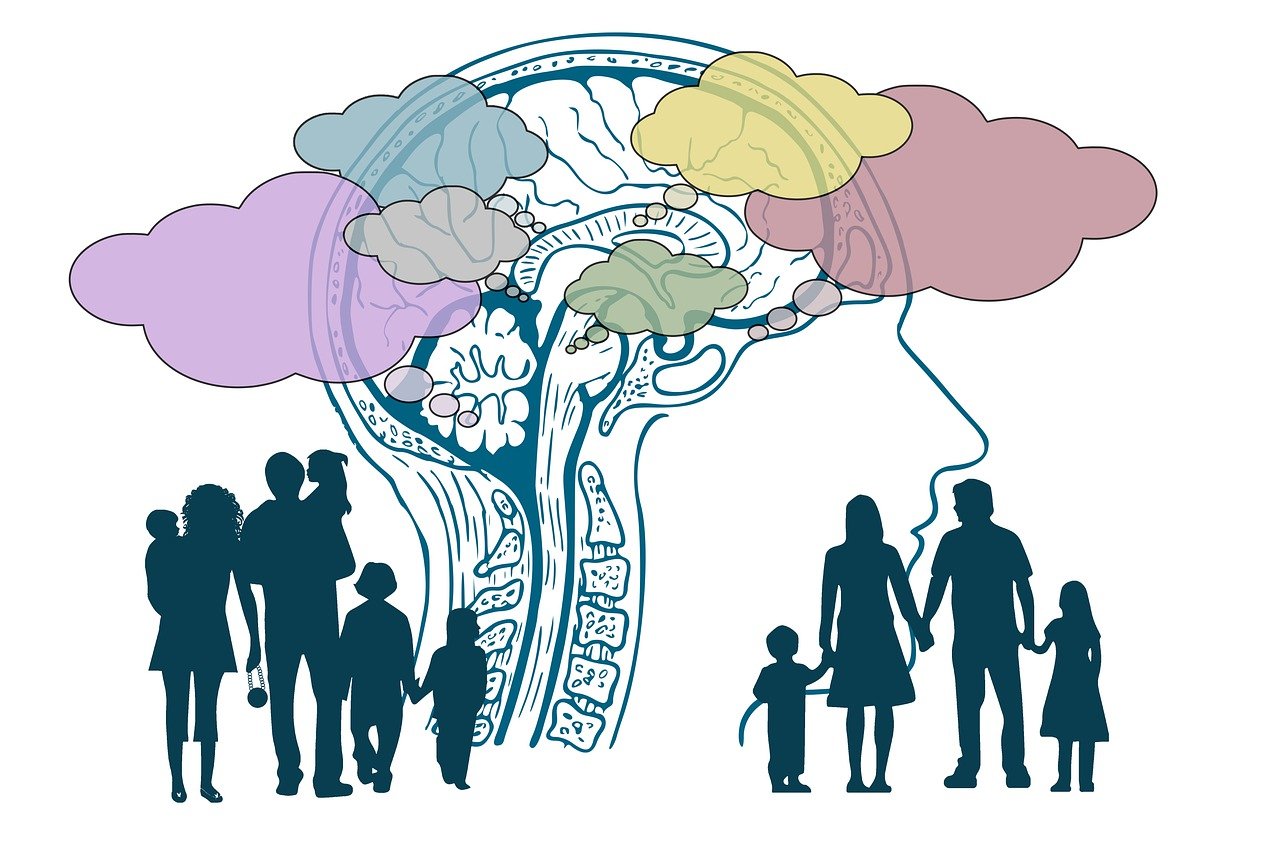

How to Communicate Your Estate Plan to Your Loved Ones
Effective communication about your estate plan is essential for ensuring your loved ones understand your wishes and intentions. Start by scheduling a family meeting where everyone can feel comfortable discussing sensitive topics. Make sure to choose a private, neutral environment that encourages open dialogue. It’s crucial to share your motivations behind your estate plan. Express why it’s important for you to have a designated plan in place, emphasizing how this decision aims to reduce potential conflict among family members after your passing. Be clear about the components of your estate plan, including wills, trusts, and medical directives, and illustrate the roles that each family member will play in executing your wishes. Answering questions during this discussion is vital, as it helps clarify doubts and reassures your loved ones of their roles. Reiterate your commitment to keeping lines of communication open in the future. Consider offering to review your estate plan regularly, allowing for updates as circumstances change. This proactive approach not only fosters understanding but also builds trust within your family.
Next, it’s important to address the topic of emotions during this dialogue. Estate planning can evoke strong feelings such as grief, guilt, and anxiety. Acknowledge these emotions, as this shows empathy and understanding toward your loved ones’ perspectives. Let everyone know that their feelings are valid and that it’s okay to express concerns or fears about the future. This can open pathways to discuss how they can manage these emotions and clarify the estate’s impact on their lives. Utilize visuals and written materials, such as charts or documents, that help outline your estate plan. This can make the information less overwhelming and easier to digest. Encourage active listening during your discussions, where each member can voice their opinions or questions without judgment. Be sure to set aside time for one-on-one conversations with individuals who may require more reassurance. These personal discussions can deepen your family’s bond and create a sense of unity. Share stories or examples where poor communication has led to family disputes to emphasize the importance of clarity now.
Understanding Family Dynamics in Estate Planning
Family dynamics play a crucial role in how discussions about estate planning unfold. Every family has unique relationships and histories that shape their communication styles. Recognize these dynamics when approaching the conversation. For instance, if certain family members are more assertive or opinionated, be prepared for differing viewpoints. Establishing ground rules for discussion can help maintain a respectful atmosphere. You might agree to speak one at a time to prevent interruptions or conflicts. Encourage every family member to express their views and concerns without fear of retribution. Keep in mind that some may be silent out of discomfort; actively invite those individuals to share. Also, consider involving an impartial third party, such as a family lawyer or financial advisor, to provide expert guidance. Professionals can facilitate conversations and ensure everyone stays focused on the main objective: understanding and respecting your wishes. This also helps reassure family members that their concerns are heard, which can alleviate tensions. Finally, ensure that the discussion is tailored to each member’s level of understanding regarding estate planning concepts.
Moreover, it’s vital to follow up after the family discussion. Communication shouldn’t end with a single meeting. Provide summary materials or additional resources so family members can further explore the nuances of your estate planning decisions at their own pace. They might have follow-up questions or require clarification about specific details. A subsequent check-in, whether it’s a phone call or another family gathering, can reinforce your commitment to transparency. It also allows family members to share their evolving thoughts over time. Consider setting a reminder to review your estate plan regularly and update family members when significant life changes occur. This could include new marriages, births, or changing financial circumstances in the family. Remind your loved ones that you are creating this plan out of love and care for them. Developing a culture of communication makes it easier for family members to discuss the inheritance of belongings or assets. It encourages a respectful and constructive approach rather than one marked by confrontation or anxiety. Consistency is key when communicating the delicate aspects of estate planning.
Cultivating a Legacy Conversation
When communicating your estate plan, consider framing the conversation around legacy. Discuss what kind of legacy you hope to leave for your loved ones. This might include shared values, such as generosity, education, or love of family traditions. Legacy discussions can shift the focus from material assets to the impact you wish to have on future generations. This approach often resonates more deeply with loved ones. Share anecdotes that reflect the importance of these values in your life, showing how you wish to carry them forward. Make sure every family member feels included in the conversation about legacy. Encourage them to share what matters to them and how they envision carrying forward family traditions or values. Strengthening these ideas can enhance family unity and relieve some of the tension typically associated with discussions about money or possessions. You could create a family mission statement to encapsulate your collective vision. Doing so can foster pride and a sense of shared responsibility. Empower every member to contribute their thoughts, as this collaborative process lays emotional groundwork essential for discussing the logistics of estate planning.
Additionally, consider the benefits of using technology to facilitate your communication about the estate plan. Virtual meetings can provide an excellent alternative for families separated by distance or those with hectic schedules. Tools like video conferencing software can make discussions more engaging and inclusive. You might share digital copies of your estate plan through secure means, allowing family members to review important documents ahead of time. Moreover, recording meetings can allow absent family members to catch up on what was discussed later. By emphasizing a digital approach, you also ensure that everyone has easy access to essential information. Protecting digital assets through passwords or secure files is essential. Make sure to inform your family members about how to access these digital assets and your wishes concerning them. Introduce the concept of online legacy platforms where they can store vital information securely. Consider providing training or guidance for family members less familiar with technology. This modern approach promotes ongoing discussions about your estate plan and fosters collaboration. Technology can bridge gaps and ease concerns as you communicate your estate wishes.
Final Thoughts on Communicating Your Estate Plan
Finally, reflecting on regular reassessment is vital as you discuss your estate plan. Needs and relationships evolve, so it’s essential to revisit your estate documents periodically. Discussing reassessments with your loved ones can foster transparency and maintain their trust, reinforcing the importance of having this ongoing dialogue. Establish a schedule for these checks, whether annually or whenever significant life changes occur. Encourage open conversations about any changes they feel might be necessary in the plan or the execution of your wishes. This ongoing trust-building exercise often alleviates anxiety associated with estate discussions and helps family members express their concerns more freely. Regular communication also prepares family members for the eventual transitions that may occur following your passing. A little preparation can significantly mitigate misunderstandings or disputes over your assets. Keeping communication lines open about your estate plan can prevent future conflicts and reinforce familial bonds. Sharing your reasoning and feelings fosters empathy among your loved ones, allowing them to see the estate as a plan rooted in care. Ultimately, communicating effectively will enrich family relationships and ensure your wishes are honored.
This is another paragraph with exactly 190 words…