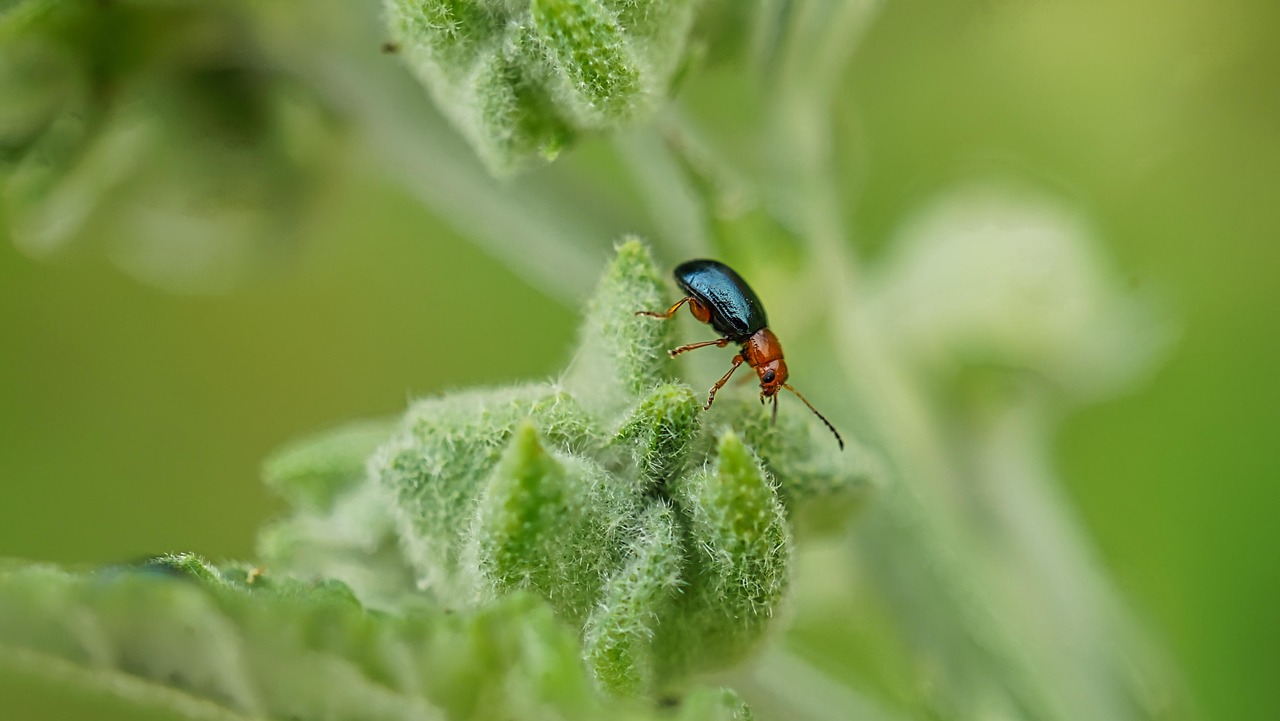

The Economics of Pest Control and Crop Management Practices
The agricultural sector relies heavily on effective pest control and crop management practices to ensure high yield and quality produce. Farmers face various challenges in pest management, including increased resistance to pesticides and the impact of climate change on pest populations. The introduction of integrated pest management (IPM) strategies helps balance pest control with economic considerations. IPM emphasizes monitoring pest situations and utilizing various control techniques, such as biological, cultural, or mechanical methods. Implementing IPM can lead to reduced chemical pesticide use, thus minimizing environmental impact while maintaining crop productivity. Farmers report increased profitability as they reduce reliance on expensive chemical inputs. Regional variations in pest prevalence necessitate localized management strategies, further complicating economic decision-making for farmers. Understanding pest life cycles and interactions with crops enables farmers to make informed decisions on the timing and methods of intervention. Additionally, collaborative efforts in pest management, including sharing knowledge and resources among fellow farmers, can enhance overall effectiveness. As economic pressures mount, sustainable practices become essential for the survival of farms.
Economic theories surrounding agricultural practices often revolve around the concept of supply and demand. The dynamics of these forces directly impact pricing and production decisions within the farming sector. Implementing sustainable pest control measures often leads to improved market prices for produce. This is particularly true for organic crops, which can command higher prices due to consumer preference for eco-friendly products. Understanding consumer behavior provides insights into how pest control influences market trends. To maximize profits, farmers must align their practices with market demand, making efficient pest management a priority. When pests threaten crop yields, farmers may face potential losses; effective management practices help mitigate these risks. Additionally, government policies play a significant role in shaping the economics of pest management. Subsidies for eco-friendly pesticides or financial incentives for adopting IPM practices can enhance farmer participation in sustainable programs. Investments in research and development also contribute to the creation of innovative, cost-effective pest control solutions. The economic viability of pest management practices hinges upon their ability to balance ecological sustainability with farmer profitability, maintaining crop quality while addressing the challenges posed by pests.
Impact of Pest Control on Crop Yield
The direct correlation between pest control measures and crop yield is well-documented in agricultural economics. Effective pest management leads to increased crop productivity, which directly translates to higher revenue for farmers. Pest infestations can cause significant crop losses, impacting not only individual farms but also whole agricultural sectors. For example, the cotton industry has historically suffered from pest damage, which has prompted the development of various management strategies, including genetically modified organisms (GMOs) designed to withstand pests. The acceptance of such technologies often depends on market perceptions and regulatory frameworks. Transitioning to pest-resistant crops may involve initial investments but can yield long-term economic benefits through enhanced yields. Additionally, effective pest control contributes to food security, which is a vital economic concern globally. Investing in research to develop pest management strategies that integrate technology can yield dividends for both farmers and consumers. Furthermore, the continuous evaluation of pest control practices aids farmers in adapting to ever-changing pest resistance patterns across various ecosystems. Balancing pest management techniques with crop diversity can improve ecosystem resilience and economic stability in agriculture.
Technology plays a pivotal role in modern pest management strategies. Innovations such as precision agriculture, remote sensing, and data analytics enhance decision-making processes for farmers. By utilizing automated systems, farmers can monitor pest activity in real-time, allowing them to respond promptly to threats. Employing technology reduces the reliance on chemical treatments by enabling targeted interventions, thus optimizing resource use. These advancements often lead to reduced operational costs, benefiting the farmer’s bottom line. Additionally, technology facilitates better communication among stakeholders in the agricultural supply chain, including suppliers, scientists, and market analysts. This collaboration produces more effective pest management solutions tailored to specific regional circumstances. As technology continues to evolve, so too do the economic implications tied to pest control practices. Training and accessibility for farmers are crucial for maximizing these technological advantages, particularly in developing regions. The integration of education and technology can empower farmers to adopt innovative practices that enhance productivity while conserving environmental resources. Furthermore, as consumers become more environmentally conscious, farmers who leverage these technologies are better positioned to meet market expectations, ultimately leading to improved economic outcomes.
Policy Frameworks in Pest Management
Government policies significantly influence the economics of pest control. Regulatory frameworks determine the availability and use of various pesticides, impacting farmers’ decisions on pest management. Policies that support environmentally friendly practices, such as reduced pesticide use incentives and funding for research, can enhance pest management strategies economically. Moreover, education and training programs supported by government agencies play a critical role in disseminating knowledge about sustainable pest control practices. Encouraging farmers to adopt such policies leads to long-term benefits for both the environment and agricultural productivity. As pest threats evolve, continuous assessment of regulatory frameworks remains essential to adapt to emerging challenges. Policies must also consider social and economic equity, ensuring solutions benefit all farmers, especially smallholders who may lack resources. Collaborative efforts between governments, research institutions, and the farming community foster a more resilient agricultural system, capable of enduring pest pressures while enhancing economic viability. Ultimately, effective policy frameworks are necessary for promoting sustainable pest management practices that generate positive economic and environmental outcomes.
Research and innovation are critical elements in the development of sustainable pest control strategies. Investment in agricultural research focuses on understanding pest behavior, developing resistant crop varieties, and exploring natural pest control methods. Collaborative partnerships between universities, governmental agencies, and the private sector can catalyze breakthroughs that benefit farmers economically. Funding for research projects can enhance pest management effectiveness while reducing the negative impacts of conventional pesticides. As farmers increasingly adopt integrated systems, they become more resilient to financial shocks caused by pest-related losses. Extending financial support for adopting innovative pest management practices can aid the transition to sustainability. By informing farmers about best practices and innovative solutions, research plays a vital role in bridging gaps in knowledge. Consequently, farmers are better equipped to make informed decisions impacting their economic results. Furthermore, knowledge-sharing platforms between farmers and researchers can enhance community-level understanding of best management practices. Overcoming challenges in pest management through research not only uplifts farmers economically but also drives collective efforts toward sustainable agricultural practices that future generations can inherit.
Future Directions in Agricultural Economics
The future of agricultural economics concerning pest control will likely focus on sustainability and resilience in the face of climate change and other challenges. Emerging technologies like biotechnology and artificial intelligence are expected to revolutionize pest management. These innovations will allow for the precise application of control measures tailored to specific pest populations and conditions. Farmers will increasingly need to adapt these technologies to maximize economic benefits while addressing environmental concerns. Furthermore, consumer preferences will undoubtedly shape the direction of agricultural practices. A shift towards sustainable, ethically produced food will drive innovation in pest management. As such, agricultural economists must keep pace with scientific advancements, ensuring that their recommendations align with current knowledge. Workshops, training sessions, and farmer consultations will be pivotal in fostering innovation in the agricultural sector. In addition, the demand for transparency in food production processes will necessitate improved communication between farmers and consumers. Commitment to sustainability, innovation, and education will become defining features of effective pest management strategies. Ultimately, the intersection of economics, technology, and sustainability will dictate the future landscape of pest control and crop management practices in agriculture.
In conclusion, the economics of pest control and crop management practices presents a complex interplay of challenges and opportunities. Farmers are at the forefront and must navigate economic pressures while embracing sustainability. By incorporating effective pest control strategies, producers can enhance crop yields while ensuring environmental stewardship. As both market dynamics and technological advancements evolve, the agricultural sector must adapt proactively. Strengthening partnerships between research institutions, policymakers, and farmers can create a robust ecosystem capable of addressing pest management challenges. Investing in sustainable practices will not only yield economic benefits but also contribute to food security and ecological balance. The emphasis on integrated pest management offers a promising pathway for future agricultural practices. Farmers must remain informed and engaged with emerging research to make the best decisions. Economic viability in agriculture increasingly hinges on the ability to manage pests sustainably. As consumers demand more from their food systems, putting sustainable practices at the forefront will be vital. The collective goal should be to ensure that farmers can produce healthy, quality food while supporting their communities and the environment.