
How to Use Stock Exchange Data for Financial Analysis
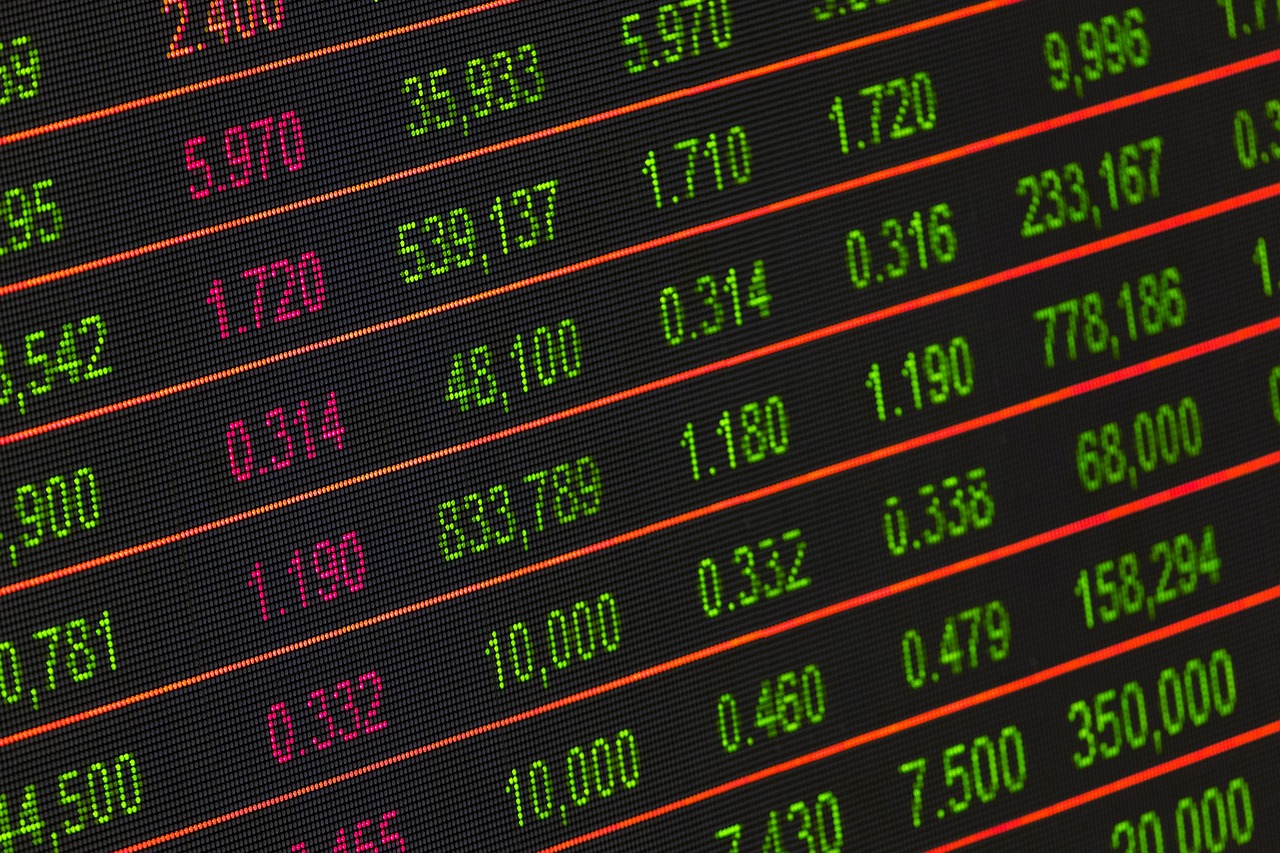
Utilizing stock exchange data for financial analysis is crucial for investors. This information can help in tracking stock performance, understanding market trends, and making informed investment decisions. To start, investors should familiarize themselves with key data points, such as stock prices, trading volume, and historical performance. By analyzing these indicators, one can gain insights into a stock’s volatility and potential growth. In addition, keeping up with financial news related to companies of interest is essential. Knowing how companies react to market changes and news can provide advantages. Using technical analysis tools like moving averages can further enhance understanding by highlighting potential entry and exit points. Analysts often use both fundamental and technical analysis to complete a well-rounded view. Fundamental analysis focuses on a company’s financial health, evaluating earnings reports, and financial ratios, while technical analysis examines price movements. By merging these approaches, investors can better predict future stock performance. Moreover, referencing expert analyses and reports can provide additional perspectives on market behavior.
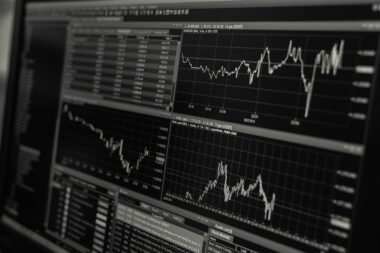
Incorporating stock exchange data analysis into investing strategies can significantly enhance decision-making processes. One effective method is utilizing software tools designed for parsing and visualizing financial data. These tools can transform raw stock exchange figures into more digestible formats, such as graphs and charts. For example, a line chart can visually represent price trends over time. This aids investors in quickly identifying patterns, which can inform their buying and selling strategies. Additionally, back-testing trading strategies against historical data is vital. It allows investors to evaluate how specific strategies would have performed in various market conditions. Furthermore, diversification is another key principle to understand when analyzing stock data. By not putting all resources into one particular stock or sector, the overall risk is minimized. Investors should examine correlation between selected assets, as low-correlation stocks can reduce volatility in a portfolio. As one delves deeper into the data, digging into sector performance and economic indicators can also provide insight into broader market trends. This macro perspective can align investment choices with economic cycles, ultimately leading to smarter financial decisions.
Leveraging Financial Ratios
Financial ratios derived from stock exchange data serve as critical benchmarks for evaluating a company’s performance. Ratios such as Price-to-Earnings (P/E), Debt-to-Equity, and Return on Equity (ROE) allow investors to assess a firm’s profitability, financial stability, and efficiency relative to its peers. The P/E ratio, for instance, indicates how much investors are willing to pay for a company’s earnings. A high P/E often suggests an overvalued stock, while a low P/E may indicate undervaluation. Debt-to-Equity ratio provides insights into how a company is financed, distinguishing between risk and stability. Conversely, ROE demonstrates how effectively a company generates profit from shareholders’ investments. Evaluating these ratios in conjunction with each other enables investors to obtain a clearer picture of their investments. However, context is paramount; comparing these ratios to industry averages or historical data enhances their relevance. Moreover, it’s essential to consider market conditions, as they can affect not only ratios but also their interpretation. Ultimately, solid understanding of financial ratios can bolster investment strategies and lead to sound financial decision-making.
Another important aspect of stock exchange data analysis is monitoring economic indicators that may impact market performance. Indicators such as GDP growth rates, unemployment figures, and inflation rates provide context for the overall economic environment. Changes in these indicators can lead to fluctuations in market sentiment, asserting pressure on stock prices. For instance, an increase in unemployment may lead to reduced consumer spending, consequently affecting corporate earnings. Investors who actively track these macroeconomic indicators can better anticipate market movements, aligning their investment strategies accordingly. Additionally, keeping an eye on central bank policies, interest rates, and regulatory changes can also inform investment choices. Central bank announcements often play a significant role in market behavior, as they signal future monetary policy. Speculative trading can arise before these announcements as investors react to anticipated outcomes. Analyzing the nuances of these interactions enriches an investor’s approach to financial data. Furthermore, developing a systematic method for reviewing economic indicators can help maintain objectivity in decision-making while reducing emotional responses to market changes.
Understanding Market Sentiment
Market sentiment is an essential factor to consider when analyzing stock exchange data. It encompasses the emotions and attitudes of investors towards a particular security or market. Sentiment can heavily influence buying and selling behaviors, resulting in price swings that may not align with fundamental analysis. Investors can gauge market sentiment through several indicators, including volatility indices and investor surveys. The VIX, often referred to as the ‘fear index,’ measures market expectation of future volatility. A rising VIX indicates increasing fear in the market, potentially signaling a market downturn. On the contrary, a falling VIX suggests investor confidence and bullish market conditions. Additionally, qualitative data from social media, financial news, and forums can elucidate prevailing market sentiments. By combining qualitative assessments with quantitative data, investors can enrich their analyses. Furthermore, staying aware of prevailing market trends fosters better investment decision-making. For example, during bullish trends, investor optimism could propel stock prices to unsustainable heights, while bearish environments might deter investments. These market dynamics demonstrate the importance of sentiment analysis in effective investment strategies.
Risk management strategies are integral to utilizing stock exchange data effectively for financial analysis. Understanding potential risks helps investors develop plans to mitigate financial losses. One common method is implementing stop-loss orders, which automatically sell stocks at a predetermined price to avoid further losses. Another strategy is position sizing, determining the amount of capital to allocate to each investment based on risk tolerance. Investors may also diversify their portfolios by including varied asset classes and sectors, lowering specific risks associated with individual investments. Moreover, regularly reviewing performance metrics is crucial for effective risk assessment, allowing investors to adapt strategies as needed. By employing performance review techniques, investors can identify underperforming assets and make necessary adjustments. Additionally, stress testing portfolios against market scenarios can uncover vulnerabilities. Simulation of potential crises enables investors to understand how their assets may react under extreme conditions. With that knowledge, they can take pre-emptive actions to protect their investments. Ultimately, managing risk through strategic frameworks and regularly updating analyses assures sustained financial growth and stability.
Conclusion
In conclusion, stock exchange data provides invaluable insights for financial analysis and investment decisions. Investors can harness a multitude of tools and strategies to analyze this data effectively, merging technical and fundamental approaches to gain a comprehensive understanding of market dynamics. By accurately interpreting financial ratios and monitoring economic indicators, one can predict market behaviors more reliably. Moreover, understanding market sentiment and implementing robust risk management strategies allows for better navigation through volatile market conditions. As the financial landscape continues to evolve, staying updated with the latest trends and data analysis methods becomes crucial. Continuing education through workshops, online courses, and investment groups can further empower investors. Thus, keeping informed not only enhances analytical capabilities but also fosters a disciplined investment approach. Building and maintaining an analytical framework will enable investors to achieve sustained success in stock markets. By leveraging insights from stock exchange data smartly, one paves the way toward making informed financial decisions, ultimately reaching personal investment goals. Therefore, an analytical mindset supported by sound data interpretation will lead to effective financial management.
To sum up, the coherent application of stock exchange data analysis can significantly enhance the overall investment strategy. With an aim to grasp the underlying patterns and market sentiments, investors must consistently analyze and adapt their methods. Fostering a mindset of continuous learning, checking for emerging trends, and being conscious of economic variables will collectively boost investment proficiency. By implementing the insights gained through comprehensive financial analysis, one can effectively tailor their portfolios to align with financial goals and risk tolerance. Emphasizing diversification, proper utilization of financial ratios, and incorporating macroeconomic indicators will further streamline the decision-making process. In an ever-fluctuating market, the ability to react swiftly and wisely to changes is paramount. A thorough analysis empowers investors to harness opportunities, manage risks, and navigate through uncertainties with confidence. Ultimately, the continuous engagement and integration of stock exchange data into functional portfolio strategies can result in fruitful returns and smarter investments. By fostering a balanced approach that incorporates both analysis and intuition, one can thrive in financial markets over the long haul.