
Security Challenges in Digital Payment Systems and How to Overcome Them
Digital payment systems have revolutionized the financial landscape, enabling quick and efficient transactions. However, these conveniences also introduce significant security challenges. One prevalent issue is the rise of cyberattacks, where hackers target payment gateways, seeking unauthorized access to sensitive financial information. Moreover, data breaches can leave users vulnerable to identity theft, further complicating trust in digital payment platforms. As fraud tactics evolve, such as phishing and malware attacks, payment systems must stay ahead of these threats. Regulatory compliance adds another layer of complexity, requiring providers to adhere to stringent guidelines such as the Payment Card Industry Data Security Standard (PCI DSS). Failure to comply can lead to severe penalties and loss of customer trust. Ultimately, businesses must take a proactive approach toward ensuring system security and user integrity. Balancing user convenience with stringent security measures poses a challenge for fintech providers. They must employ strong authentication measures, persistent monitoring, and consistent updates to safeguard against unauthorized access. By doing so, they can enhance user confidence and secure their digital payment solutions against emerging threats.
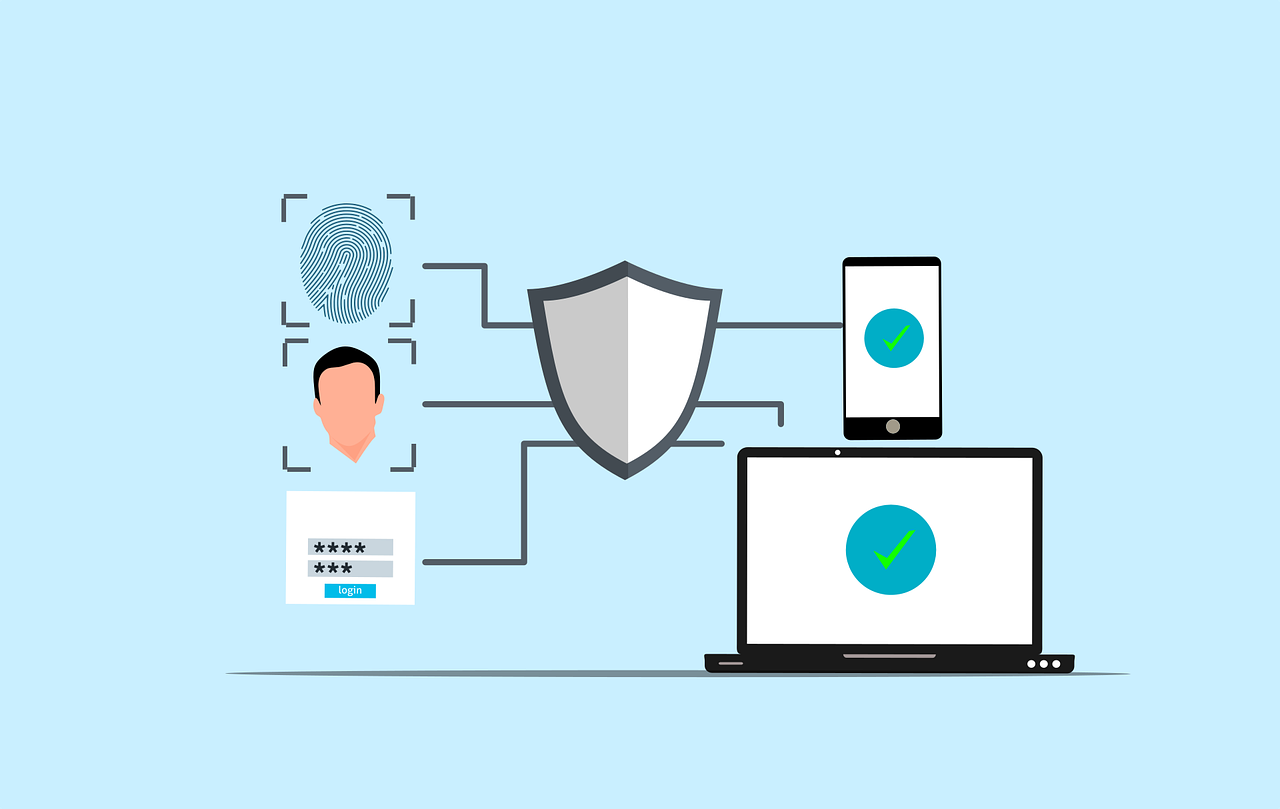
In addressing digital payment security challenges, effective encryption practices play a crucial role. Encryption protects sensitive data during transmission and storage, reducing risks pertaining to data interception. For instance, employing robust protocols like Transport Layer Security (TLS) ensures that information, such as credit card details, remains confidential and secure during transactions. Furthermore, implementing tokenization can significantly reduce the potential for fraud. Tokenization replaces sensitive data with unique identifiers, ensuring that even if hackers gain access to the system, they cannot easily exploit the information. This leads to a win-win situation, where users can transact securely without fear. However, it’s not solely about implementing a singular security measure; a multiple-layered security approach is essential. This approach might include using firewalls, anti-malware software, and regular system audits to identify vulnerabilities. Educating customers about safe practices is equally vital. Encouraging users to set strong, unique passwords and recognize phishing attempts empowers them to safeguard their accounts. In addition, implementing two-factor authentication adds an extra layer of security, which requires users to verify their identity through another device. By equipping users with knowledge and advanced tools, fintech companies can enhance overall system security.
Understanding User Threats
User-related security threats in digital payments present significant challenges as well. A common threat arises from social engineering tactics, wherein scammers manipulate individuals into revealing confidential information. Education is key to mitigating these risks; financial institutions must invest in user awareness campaigns. By providing clear instructions and tips to recognize scams, they can empower users to protect themselves. Additionally, vulnerabilities may stem from users’ ignorance surrounding software updates. Leaving applications unpatched exposes them to known threats, making awareness crucial. Providing a seamless user experience that incorporates regular update prompts can help. Users are often hesitant to use security features, such as biometrics or strong password policies. Ensuring that security measures are user-friendly and non-intrusive can significantly improve adoption. An intuitive design can encourage users to engage with security features without feeling overwhelmed. In helping users feel comfortable with security protocols, the likelihood of fraud attempts diminishes. Therefore, financial institutions must consider user experience as a critical element in implementing security measures. Establishing trust with customers is essential, and effectively addressing user-related threats goes a long way in enhancing financial safety while developing innovative digital payment solutions.
The integration of Artificial Intelligence (AI) is rapidly transforming digital payment security measures. Financial institutions leverage AI and machine learning to proactively identify suspicious activities and potential fraud. Machine learning algorithms can analyze transaction patterns in real time, allowing immediate detection of anomalies. This enhances response capabilities, allowing businesses to react quickly to emerging threats. For example, AI can flag unusual transactions that differ from a user’s typical behavior, triggering alerts for further investigation. Additionally, AI can streamline customer verification processes, making it easier to authenticate users during login or transactions. By using biometrics, such as facial recognition or fingerprint scanning, organizations can bolster security effectively. However, while AI can enhance security, it is not foolproof. Cybercriminals also employ AI in their tactics, creating a cat-and-mouse game in cybersecurity. Therefore, it’s crucial for companies to continuously update their security measures and adapt to emerging threats. As the domain of fintech evolves, innovative technologies must also be embraced. By investing in AI-based solutions, organizations can significantly reduce the risks associated with digital payments and maintain a competitive market edge in the industry.
Regulatory Compliance Essentials
Compliance with regulations is paramount in ensuring the security of digital payment systems. Institutions must be vigilant in adhering to rules established by governing bodies, such as financial regulatory agencies. Failure to comply not only increases vulnerability to fraud but can also lead to heavy fines and reputational damage. Relevant regulations include the GDPR and the PSD2 directive, which focuses on strengthening privacy and securing payment transactions within Europe. These regulations not only promote user safety but also enhance trust in digital payment platforms. Therefore, organizations should regularly audit their compliance with these standards to identify weaknesses. Furthermore, training employees on compliance requirements ensures that the entire organization remains informed about security practices and potential risks. This collective awareness promotes a secure work environment and safeguards user data. However, maintaining comprehensive compliance requires resources and a sustained commitment. Companies must establish dedicated teams or partnerships that specialize in compliance and risk management. By prioritizing compliance as an integral part of their security strategy, fintech organizations will secure user trust. Ultimately, effective compliance management encourages a sustainable trust-based relationship between users and service providers.
The future of digital payment security lies in collaboration and knowledge sharing among stakeholders. By working together, organizations can identify and mitigate security vulnerabilities more effectively. Fintech companies, merchants, and payment processors must unite in the fight against fraud and cyber threats. Sharing threat intelligence can drastically improve response strategies for all parties involved. For instance, organizations can collaborate on developing best practices, strategies for recognizing fraud, and insights on emerging threats. Additionally, forming partnerships with cybersecurity firms can provide access to advanced security solutions and resources. Involving authorities in discussions about security regulations can also lead to beneficial policy improvements. By engaging in open communication and collaboration, the financial technology sector can build a robust ecosystem resistant to security challenges. Furthermore, maintaining a focus on user-centered design ensures that security measures remain effective and user-friendly. Advocating a culture of security within the industry fosters a collaborative approach to address security challenges. By collectively adapting to the ever-evolving digital landscape, stakeholders can create secure digital payment channels. Investing in partnerships, training, and user education will pave the way for a secure financial future.
Conclusion and Future Directions
In conclusion, addressing security challenges in digital payment systems is vital for sustainable growth in the fintech sector. With the rapid advancement of technology, the threats will also become increasingly sophisticated. Therefore, stakeholders must remain proactive in adopting advanced security measures and updating existing protocols. Employing strong encryption, user education, AI applications, and compliance with regulatory standards can significantly mitigate risks. Additionally, fostering collaboration among organizations can strengthen defenses against potential cyber threats. Each participant in the digital payment ecosystem has a role to play in creating a secure environment for users. In doing so, they can enhance consumer confidence, paving the way for increased adoption of digital payment solutions. Continuous research and innovation will also be necessary to adapt to changing security landscapes. The fintech industry must remain agile to respond to emerging technologies and trends, ensuring that security measures evolve alongside them. Committing to a culture of security and a constant focus on user experience will cultivate trust within the sector. By facing these challenges head-on, fintech organizations can achieve lasting success while enhancing the security of digital payments in the financial technology landscape.
As the demand for effective solutions rises, addressing security challenges in digital payments must remain a priority. Future trends in fintech will require ongoing vigilance and adaptation to emerging technologies, especially concerning security measures. Strong encryption protocols, robust authentication methods, and user education will become even more critical, ensuring that financial institutions can respond to dynamic challenges effectively. By focusing on developing a culture of security and collaboration, fintech stakeholders can create resilient payment systems that prioritize user safety and privacy. Moreover, continuously evaluating and refining strategies to combat fraud and attacks will be necessary for fostering long-term trust between users and providers. Future-proofing digital payment systems will play an integral role in their success as reliance on these technologies grows. In doing so, organizations can safeguard consumer data while addressing evolving security threats effectively. By emphasizing education, encryption, and proactive measures, the financial technology sector can foster a safer environment. This will ultimately lead to greater adoption and acceptance of digital payments as consumers rely on innovative solutions for financial transactions.