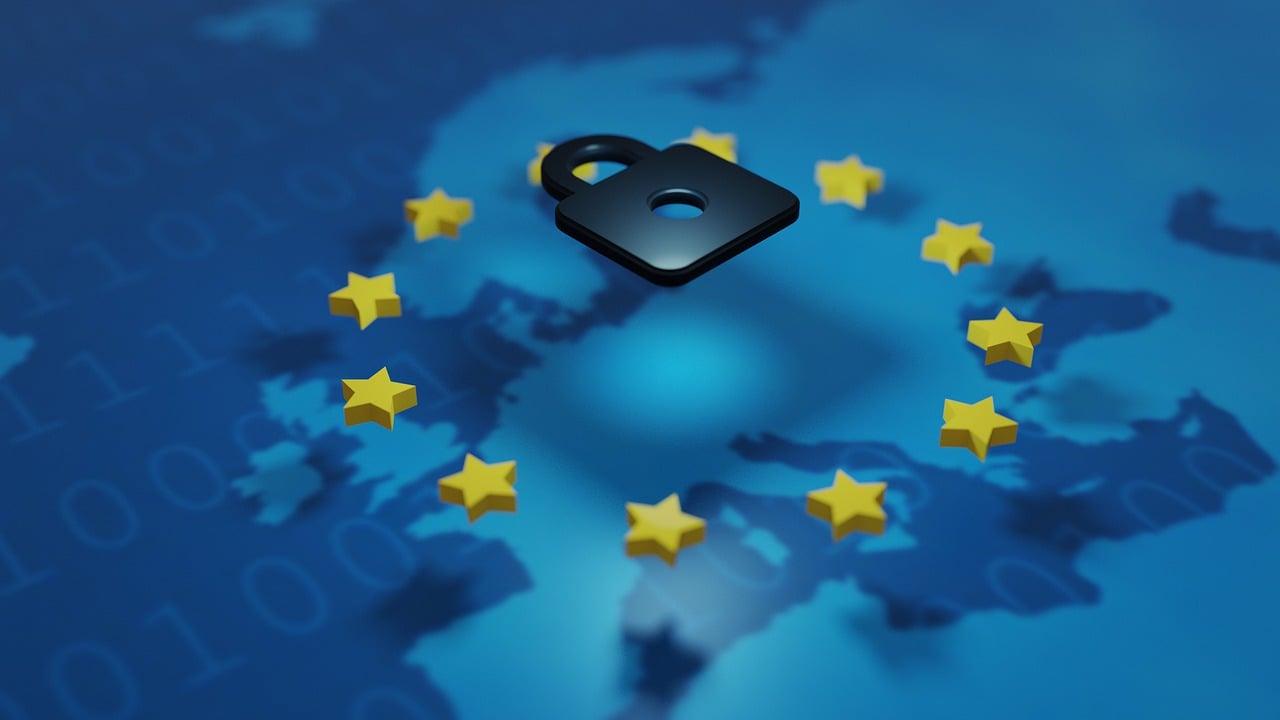

Understanding Consumer Rights Under Financial Data Privacy Statutes
In today’s digital era, consumers face numerous challenges regarding the privacy and protection of their financial data. Financial institutions collect vast amounts of personal data, making it imperative to understand the laws governing this information. Financial Data Privacy Laws exist to safeguard consumer rights, ensuring that personal data is used ethically and transparently. These laws dictate how companies must handle their customers’ information, offering essential protections. Consumers should be aware of their rights under these statutes, including how their information is accessed, shared, and revised. Additionally, understanding these regulations provides consumers with the power to hold institutions accountable for any violations or mishandling of their data. Violations can lead to severe consequences for companies, including hefty penalties and damaged reputations. Consumers are also encouraged to regularly review their financial statements and the privacy policies of institutions where they hold accounts. This vigilance can help prevent identity theft and unauthorized access to sensitive data. Knowledge is power when it comes to financial data privacy. Thus, informing oneself about rights and responsibilities regarding financial information is crucial. Ignoring these rights may lead to vulnerabilities.
One of the critical aspects of financial data privacy laws is their ability to adapt to new technologies and ever-evolving threats. As financial transactions increasingly occur online, regulatory bodies continuously revise existing laws to address these changes effectively. Many regions have enacted comprehensive privacy statutes, including the California Consumer Privacy Act (CCPA) and the General Data Protection Regulation (GDPR) in Europe. These regulations not only set standards for how consumer data is handled but also empower consumers with rights such as data access, correction, and deletion. They require companies to maintain transparency about data collection practices and provide consumers with straightforward ways to opt-out of data sharing. Furthermore, organizations must inform consumers how personal data will be used and for what purpose. Failure to comply can result in severe penalties, thus motivating businesses to prioritize consumer privacy responsibly. Companies must invest in robust data protection measures, including encryption and regular audits. This ongoing adaptation is pivotal in ensuring that financial data remains secure against evolving cyber threats. Educating consumers on these regulations reinforces the protection structure, fostering a more secure financial landscape for everyone involved.
Consumers’ Rights Under Privacy Laws
Financial data privacy laws grant consumers several essential rights aimed at protecting their personal information. One such right is the ability to access their data. Consumers can request information from financial institutions about what data is collected, how it is used, and why it’s necessary. Transparency is a fundamental principle in these laws, allowing individuals to scrutinize their data usage. Another vital right consumers have is the right to rectify erroneous data. If a financial institution inaccurately represents a consumer’s data, it is the consumer’s right to request corrections. This empowers individuals to ensure that they’re not adversely affected by incorrect information. Additionally, consumers possess the right to request the deletion of their data when it is no longer necessary for business purposes. These rights underscore the importance of data control, allowing consumers to maintain autonomy over their personal information. Moreover, individuals can exercise the right to opt-out of certain data sharing arrangements. Advocating for these rights positions consumers to hold financial organizations accountable when privacy lapses occur, enhancing collective security.
While understanding financial data privacy laws is essential, consumers must also take proactive steps in protecting their information. Regularly reviewing privacy settings on financial platforms is vital. Financial institutions often update their privacy policies and practices, which may affect how personal data is handled. Staying informed helps individuals manage their privacy preferences effectively. Another key step is utilizing strong passwords and enabling two-factor authentication wherever possible. These measures significantly reduce the risk of unauthorized access to financial accounts, ensuring sensitive data remains secure. Additionally, monitoring financial statements for unusual activity is crucial. Consumers should report any discrepancies immediately to their financial institution to mitigate potential issues. Furthermore, consumers should educate themselves about emerging privacy threats, including phishing scams and identity theft tactics, and employ measures to protect against them. Trusting reputable organizations with financial data is also essential, as it ensures compliance with established laws and regulations. Engaging in community dialogues about data privacy and advocating for stronger protective measures can also have broader societal impacts on consumer rights.
The Role of Regulatory Bodies
Regulatory bodies play a crucial role in enforcing financial data privacy laws and safeguarding consumers’ rights. These organizations oversee compliance, conduct audits, and handle consumer complaints regarding data privacy issues. The Federal Trade Commission (FTC) in the United States is instrumental in implementing privacy regulations and addressing violations. They ensure that financial institutions adhere to the established standards by investigating consumer complaints and levying penalties against violators. Moreover, regulatory agencies provide guidance and resources for both consumers and businesses. This information helps them navigate complex privacy regulations and emphasizes the importance of data protection. These bodies are also involved in educating the public about their rights, demonstrating the significance of compliance in maintaining public trust. As technology evolves, regulatory bodies must stay ahead by developing enhanced strategies and frameworks to adapt to new challenges in data privacy. Furthermore, international collaboration among regulatory bodies can bolster consumer rights and create more consistent data protection standards. Ensuring accountability among financial institutions fosters a safer environment for consumer transactions. By working closely with stakeholders, regulators can enforce robust protections for consumer data.
A key factor in evaluating the effectiveness of financial data privacy laws lies in consumer awareness and engagement. Understanding these laws is essential for consumers to exercise their rights effectively. Various educational initiatives focus on informing individuals about their privacy protections and encouraging them to take proactive measures in safeguarding their data. Financial literacy programs often include information about privacy laws and consumer rights. This education is vital for fostering informed decisions regarding data sharing and privacy within the financial sector. Additionally, industry collaboration with advocacy groups can amplify efforts to raise awareness, creating comprehensive campaigns that highlight privacy issues. Engaging consumers in discussions about their rights empowers them to assert themselves when faced with data breaches or privacy violations. Participation in forums and community outreach programs enhances public discourse on data privacy. Furthermore, consumers can encourage financial institutions to prioritize transparency by demanding clearer privacy policies and better data protection measures. By actively participating in these conversations, individuals can help shape a more secure financial environment. Ultimately, informed consumers drive the demand for better practices and stronger regulations.
Conclusion: Fostering a Secure Future
To effectively navigate the landscape of financial data privacy laws, both consumers and institutions must prioritize awareness and compliance. The evolving nature of technology ensures that data privacy remains integral in finance as transactions become increasingly digitized. As consumers become more aware of their rights under these laws, organizations are compelled to uphold higher standards for data protection. This mutual engagement promotes a culture of trust and responsibility crucial for fostering a secure financial future. Staying informed about changing regulations is vital for consumers as they adapt to emerging threats and challenges in data privacy. Comprehensive education and robust support from regulatory bodies significantly impact the effectiveness of these laws. Furthermore, consumer advocacy plays a significant role in shaping privacy policies, encouraging organizations to adopt more progressive and transparent practices. A collaborative approach between consumers, businesses, and regulators provides the foundation necessary to refine and strengthen privacy protections continuously. As education and awareness initiatives grow, so does the potential for individuals to safeguard their data effectively. In this dynamic landscape, everyone’s commitment to privacy and security will shape a better future for financial data protection.
It is equally important to acknowledge the potential challenges associated with the enforcement of financial data privacy laws, which can hinder their effectiveness. Diverse interpretations and implementations of these regulations often create inconsistencies across industries and jurisdictions. This lack of uniformity can lead to confusion among consumers and businesses, making it difficult for them to navigate the legal landscape. Moreover, organizations may face challenges in adhering to complex privacy laws, particularly when operating across state or national borders. When different laws apply, it may become difficult to comply fully with varying requirements. Companies may prioritize compliance in their home jurisdiction while neglecting obligations elsewhere. Furthermore, the rapid pace of technological advancements often outstrips the rate at which laws are updated, resulting in potential regulatory gaps. Such gaps can expose consumers to heightened risks if organizations exploit outdated regulations. It is crucial for stakeholders to work towards greater consistency and understanding around financial data privacy laws. Collaboration between regulators, businesses, and advocacy groups can help resolve various challenges while empowering consumers to assert their rights. Collectively, it ensures that financial data privacy remains a priority for all parties involved.