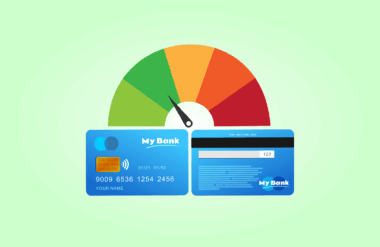

The Role of Segmentation in Credit Fraud Detection
In an increasingly digital world, credit fraud is a growing concern for institutions and consumers alike. Understanding the nuances of customer behavior is crucial in designing effective credit risk management strategies. Segmentation offers a powerful tool for identifying at-risk customers based on various factors. By leveraging data analytics and customer profiles, organizations can create targeted strategies. Profiling allows companies to categorize customers into distinct groups based on creditworthiness and risk levels. This categorization enhances decision-making processes and optimizes recovery efforts. By accurately segmenting customers, financial institutions can better allocate resources to high-risk accounts, potentially mitigating losses. Moreover, it fosters a preventive approach, allowing institutions to implement precautionary measures before fraud occurs. Segmentation can be based on demographic criteria, behavioral patterns, and credit histories. A deeper analysis of these segments facilitates tailored communication and personalized offers, which ultimately enhances customer relationship management. As a result, understanding customer segmentation is not merely a luxury; it is a necessity in today’s dynamic credit landscape. Robust segmentation strategies can significantly reduce instances of fraud and improve overall credit management efficiency.
Another critical aspect of customer segmentation in credit fraud detection involves the identification of patterns and trends. By analyzing historical data and monitoring customer behavior over time, institutions can detect anomalies that may indicate fraudulent activities. For instance, an increase in applications from a specific segment could indicate targeted fraud efforts. By recognizing these trends early, organizations can take proactive measures to prevent potential losses. Advanced data analytics and machine learning algorithms can streamline this process, allowing for real-time assessments of customer behavior. These tools can uncover suspicious patterns that traditional methods may overlook. Furthermore, segmentation allows financial institutions to create a more dynamic fraud detection system that adapts to changing customer behaviors. Institutions can adjust their risk models based on up-to-date data from segmented customer groups, ensuring their defenses remain robust against emerging fraud tactics. This adaptive approach not only enhances security but also fosters trust among customers. Consumers are more likely to engage with institutions that demonstrate a commitment to safeguarding their financial information. In conclusion, recognizing the dynamic nature of fraud trends through segmentation is essential in effective credit management strategies.
Benefits of Effective Segmentation
Effective segmentation in credit management brings numerous benefits to financial institutions striving to combat fraud. Firstly, it allows for more efficient resource allocation, ensuring that risk assessment teams focus on high-risk customer segments. By prioritizing resources based on risk level, organizations can minimize fraud-related losses. Additionally, segmentation paves the way for enhanced targeted marketing strategies. When institutions understand their customer demographics and behaviors, they can craft precise, tailored communications. This targeted approach not only improves customer engagement but also reinforces security protocols during the application process. Segmentation leads to more accurate risk assessments, empowering institutions to offer the right products to suitable customers. Ultimately, this benefits the institution’s bottom line by reducing losses and increasing customer satisfaction. Furthermore, informed segmentation practices contribute to compliance with regulatory frameworks. Financial institutions must adhere to policies that require them to mitigate fraud and promote consumer protection. By actively segmenting customers, organizations can uphold these guidelines more effectively. Thus, the role of segmentation goes beyond mere classification; it directly influences the organizational performance in countering credit fraud.
Moreover, implementing effective segmentation strategies can also foster collaboration among various departments within financial institutions. When finance teams regularly update segmentation models, insights can be shared with marketing, compliance, and operations. This collaborative approach cultivates a comprehensive understanding of customer behaviors, allowing for a unified front against fraud. In turn, improved communication and shared knowledge can result in developing more innovative fraud prevention techniques. When departments work together, they become more adept at deploying technology and analytics to combat fraud. Furthermore, real-time access to segmented data enhances responsiveness to emerging threats. Departments can quickly adjust their strategies based on the most current insights available, ensuring an agile approach to fraud management. Financial institutions that prioritize interdepartmental collaboration motivated by segmentation ultimately strengthen their defenses. For instance, marketing departments can leverage anti-fraud insights to better educate customers on securing their financial information. This awareness builds trust and promotes customer loyalty, making it harder for fraudsters to exploit vulnerabilities. Thus, an integrated approach enhances overall risk management, showcasing segmentation’s multifaceted value in credit fraud detection.
Challenges in Customer Segmentation
Despite its advantages, implementing effective customer segmentation can present significant challenges. One primary concern is data quality; inaccurate or incomplete data can lead to misinformed segmentation efforts. Financial institutions need to invest in strong data governance practices to ensure the information they analyze is both reliable and comprehensive. Without high-quality data, segmentation efforts may not yield the desired outcomes. Additionally, the constantly changing landscape of customer behavior poses another challenge. Customers evolve, and their preferences shift, making it crucial for financial institutions to continuously update their segmentation models accordingly. For instance, individuals may experience fluctuations in their financial status, which can alter their risk profile. Adapting to these changes requires constant monitoring and strategic adjustments to segmentation methods. Furthermore, technological limitations may hinder institutions from utilizing advanced analytics effectively. Organizational structures may not support agile responses to emerging trends, leaving institutions vulnerable to fraud. Thus, addressing these challenges is essential for financial institutions aiming to benefit fully from customer segmentation in credit risk management.
Another obstacle financial institutions face regarding customer segmentation involves balancing security and customer experience. Striking the right balance is crucial as overly stringent measures may alienate a portion of the customer base. Conversely, a lenient approach can open institutions to significant risks. Securing customer data while providing a seamless experience requires thoughtful segmentation strategies that take customer preferences into account. Institutions must consider ethical implications when deploying advanced analytics for segmentation purposes. Transparency is vital in building trust among customers, and organizations should communicate how their data will be utilized. This not only reassures customers but also aligns with regulatory requirements for responsible data use. Additionally, institutions must focus on educating their customers about the importance of their segmentation efforts. When customers understand the broader context of fraud efforts, they are more likely to support and comply with security measures. Building this relationship fosters an environment where customers feel valued and secure. Thus, addressing balance and ethical considerations is essential for implementing successful customer segmentation within credit management frameworks.
Conclusion
In conclusion, customer segmentation plays an indispensable role in the detection and prevention of credit fraud. By providing insights into customer behaviors and attitudes, segmentation enables financial institutions to create targeted strategies that optimize their responses to fraud. From improving resource allocation to fostering interdepartmental collaboration, the benefits of effective segmentation are multi-faceted. However, recognizing the challenges and addressing them proactively is essential for successful implementation. Institutions must prioritize data quality, technological capabilities, and ethical considerations when developing segmentation methodologies. Ultimately, a nuanced understanding of customer segments empowers credit management practices and enhances overall risk mitigation. As financial institutions embrace advanced analytics and machine learning solutions, segmentation will continue to evolve, offering new opportunities to combat fraud effectively. The dynamic nature of customer behavior will require constant adaptation and vigilance, emphasizing the need for ongoing exploration of this critical area in credit management. As organizations strive to protect consumers and themselves from fraud, segmentation will remain a pillar of successful credit strategies and sustainable growth.
In the realm of credit management, the integration of segmentation strategies with technological advancements presents a promising frontier. By utilizing machine learning algorithms and sophisticated analytics, organizations can transform segmentation from a static process into a dynamic, real-time assessment. These advancements allow for immediate identification of potential fraud risks as patterns emerge. Consequently, institutions that effectively harness data analytics can stay ahead of fraud trends, ultimately enhancing their overall credit management framework. This proactive approach not only minimizes losses but also promotes consumer confidence in financial systems. Moreover, as regulatory environments continue to evolve, leveraging technology in segmentation efforts becomes an essential aspect of compliance. Staying ahead of regulatory mandates requires institutions to demonstrate their commitment to effective fraud prevention strategies. As such, embracing advanced technology paired with robust segmentation methodologies positions businesses to thrive in a competitive credit landscape. Financial institutions will need to remain flexible and adaptable to these changes, ensuring that their strategies are both effective and compliant. Ultimately, staying informed about technological advancements will bolster credit management efforts and contribute to the mitigation of fraud risks in the future.