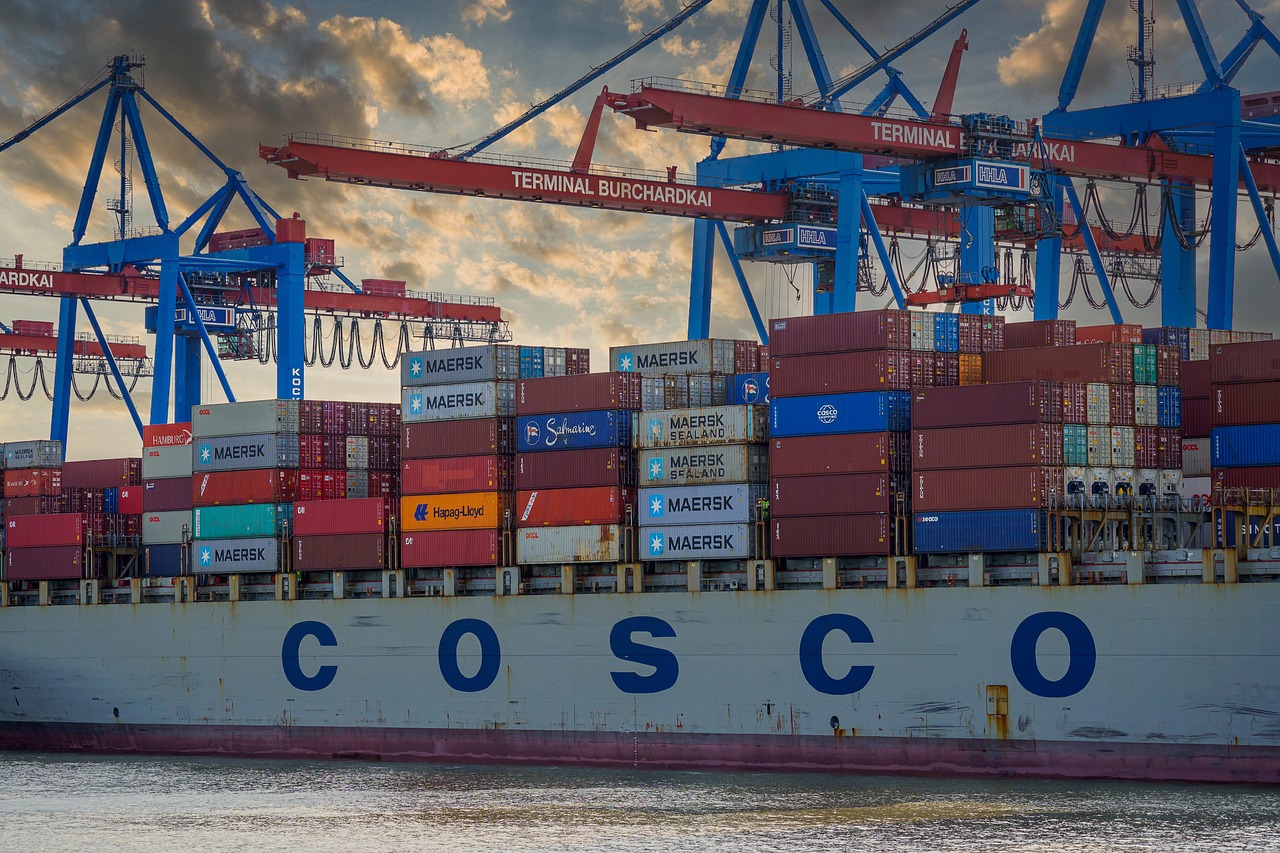

Trade Finance and Sustainability: Green Financing in Supply Chains
As global trade becomes more interconnected, the importance of trade finance in promoting sustainable practices has never been clearer. Trade finance facilitates not only cross-border transactions but also innovations that encourage environmentally friendly technologies within supply chains. By integrating sustainability criteria into trade finance frameworks, financial institutions can help businesses adopt greener practices and reduce their carbon footprints. This trend is critical because a significant percentage of global greenhouse gas emissions can be linked back to supply chain activities. Incorporating environmental, social, and governance (ESG) factors into financing decisions empowers lenders to support eco-friendly projects. Consequently, companies that focus on sustainability within their supply chains are likely to enhance their reputations and market competitiveness. Financial tools like green bonds or sustainability-linked loans can drive significant capital towards environmentally responsible initiatives. Overall, aligning trade finance with sustainability principles can create a win-win scenario, benefiting both financiers and businesses aiming to adopt green practices. This integration ultimately leads to stronger, more resilient supply chains that are aligned with the global imperative of sustainable development. As we advance, we can expect increased collaboration between trade finance providers and sustainable supply chain innovators.
Trade finance, particularly when oriented towards sustainability, plays a vital role in fostering the transition to low-carbon economies. Financial instruments tailored for sustainable projects enable companies to finance initiatives that meet certain environmental criteria. These may include renewable energy projects, waste reduction technologies, or sustainable agriculture practices. For instance, banks can offer preferential financing rates to businesses that implement sustainable methods, ensuring that financial support directly correlates with environmental benefits. This shift towards green financing not only promotes ecological responsibility but also opens new market opportunities for businesses that prioritize sustainability in their operations. Companies increasingly realize that integrating sustainable practices into their supply chains can lead to operational efficiencies and cost savings. Moreover, businesses adhering to such practices are often seen favorably by consumers, leading to enhanced brand loyalty. Furthermore, corporations are under increasing pressure from stakeholders to demonstrate commitment to sustainability. By utilizing trade finance to support green initiatives, firms can address this demand while contributing to global sustainability targets. Additionally, governments and international bodies are beginning to recognize the importance of green trade finance, offering incentives to institutions that prioritize eco-friendly projects.
The Role of Technology in Green Trade Finance
Technological advancements are redefining trade finance, particularly in the realm of green financing. Innovations like blockchain technology enhance transparency and traceability in supply chains, making it easier to verify the sustainability of products and practices. For example, blockchain can ensure that renewable resources are sourced ethically and that emissions are accurately tracked throughout production processes. This level of transparency not only boosts consumer confidence but also enhances the credibility of companies engaged in sustainable practices. Additionally, digital platforms streamline trade finance transactions, reducing the time and costs associated with obtaining traditional financing. Automated processes and algorithms can assess the sustainability credentials of a project quickly, improving investment decisions. Furthermore, artificial intelligence and machine learning can analyze vast amounts of data to identify profitable sustainable financing opportunities for trade finance institutions. This technological transformation supports the global push towards achieving international sustainability goals while enabling businesses to thrive in a competitive market. In summary, technology plays a crucial role in elevating green trade finance, creating mechanisms through which financing can align with sustainable development objectives while providing tangible benefits to all stakeholders involved.
Financial institutions can enhance their focus on sustainability through collaboration with businesses committed to implementing green supply chain practices. This partnership can manifest in shared objectives around sustainability, where trade finance institutions provide the necessary capital for greener technologies. By aligning financial resources with environmentally responsible initiatives, companies can gain access to innovative solutions that potentially reduce costs while improving their sustainability metrics. Additionally, collaboration allows for the aggregation of best practices, where insights from various industries can be shared widely. Sustainable supply chain initiatives can also benefit from knowledge transfer, ensuring that stakeholders are well-informed of their responsibilities. As more companies adopt sustainable practices, the demand for green trade finance is likely to grow, prompting banks and financial institutions to devise products that specifically cater to this need. The willingness of lenders to engage with businesses prioritizing sustainability will create a positive feedback loop that fosters further innovations in green financing. Companies willing to invest in environmental sustainability can also see improved access to larger pools of institutional capital as their initiatives demonstrate tangible impacts on sustainability metrics. Hence, collaboration becomes essential for both financial and corporate sectors.
Challenges in Implementing Green Trade Finance
Despite the progress made in integrating sustainability in trade finance, challenges remain. One substantial hurdle is the lack of standardized metrics for assessing the sustainability of projects across diverse industries. Without universally accepted benchmarks, financial institutions struggle to evaluate the environmental impacts of their investments accurately. Consequently, this ambiguity can hinder the allocation of funds to genuinely sustainable projects, as banks become hesitant due to potential reputational risks. Additionally, many smaller businesses lack the resources to implement sustainable practices, making it difficult for them to qualify for green financing. To counter these challenges, initiatives to develop comprehensive frameworks and guidelines are essential to streamline the evaluation of sustainable projects in trade finance. Furthermore, educational programs targeting both financial institutions and businesses must be implemented to raise awareness about the benefits of green financing and how to access it. As the industry evolves, collaboration between banks, technology providers, and governments is necessary to create an environment that encourages sustainable practices in trade finance. Only by addressing these challenges can we unlock the full potential of green financing and drive impactful change across supply chains.
Regulations and policies significantly impact the landscape of trade finance and sustainability, shaping how businesses incorporate eco-friendly practices into their operations. Governments worldwide are increasingly recognizing the importance of sustainable development, enacting policies that incentivize businesses to implement environmentally responsible practices. For instance, tax breaks, grants, or subsidies may be used to encourage companies that adopt sustainability initiatives. Additionally, international agreements like the Paris Accord promote collaboration among nations to set unified goals on reducing greenhouse gas emissions. These frameworks create an environment conducive to developing sustainable trade finance, as they signal to financial institutions the importance of aligning their investments with national and international sustainability goals. As compliance with environmental regulations becomes mandatory, businesses that remain ahead of the curve will increasingly find themselves with a competitive advantage in the market. In this context, trade finance can serve as a critical tool for financing the transition towards sustainable practices across industries. Financial institutions that proactively engage in constructing sustainable finance products stand to strengthen relationships with their clients, thereby facilitating a broader adoption of sustainable practices throughout the supply chain ecosystem.
Future Prospects of Green Trade Finance
The future of trade finance lies in its ability to adapt to the evolving demands of sustainability and environmental responsibility. As consumers become more environmentally conscious, companies will increasingly feel pressured to align their practices with sustainable principles. This shift will create a robust demand for innovative financial products that support green initiatives in supply chains. Financial institutions are already beginning to innovate by creating specialized green financing options, including sustainability-linked loans and green bonds tailored explicitly for environmentally responsible projects. Furthermore, as technology advances, the integration of digital solutions will enhance the efficiency of trade finance processes, making sustainable financing more accessible for businesses of all sizes. Moreover, collaboration among stakeholders, including governmental bodies, NGOs, and private-sector actors, will play a crucial role in scaling green trade finance solutions. The collective effort to define sustainability standards and frameworks will also enable greater accuracy in measuring the impact of sustainable financing. As the understanding of the importance of sustainability deepens, embracing a comprehensive approach to trade finance will not only mitigate environmental impacts but also drive economic growth in a resilient manner.
In conclusion, the relationship between trade finance and sustainability is vital for advancing global trade while addressing critical environmental issues. As businesses increasingly recognize the benefits of sustainable practices, trade finance mechanisms must evolve to support their greener initiatives effectively. By developing a framework that emphasizes sustainable financing options, financial institutions can bolster economic vitality while promoting environmental sustainability. Through collaboration, innovation, and a commitment to shared objectives, trade finance can become a catalyst for substantial positive change in supply chains worldwide. The integration of sustainability in trade finance will not only enhance the resilience of businesses but also foster accountability and transparency, leading to long-term success. As organizations and financial institutions work together to redefine the parameters of trade finance within the context of sustainability, we will witness the emergence of a more equitable and responsible economic landscape. The transition to a green economy requires concerted efforts, and trade finance can provide the necessary underpinning to facilitate this transformation. Ultimately, embracing sustainability in trade finance is crucial not only for current stakeholders but also for future generations who will inherit the consequences of today’s investment decisions.