
Does Paying Off a Debt Improve Your Credit Score Immediately?
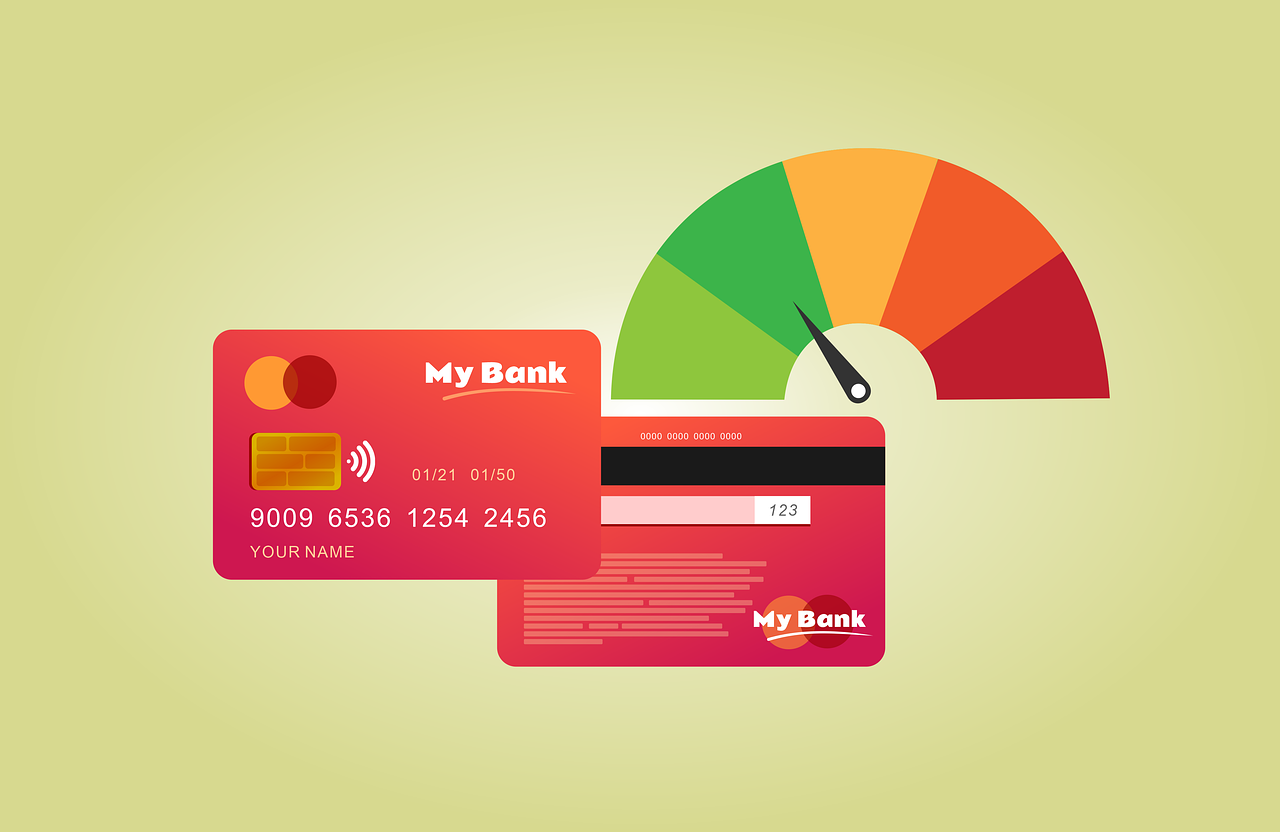
When considering the impact of paying off a debt on your credit score, it’s essential to understand how credit scores work. Credit scores generally range from 300 to 850, representing your creditworthiness based on your credit history. A higher score indicates better credit health and typically leads to more favorable lending terms. The components that make up your credit score include your payment history, credit utilization, length of credit history, types of credit accounts, and recent credit inquiries. These factors weigh in differently, and understanding them can help demystify whether or not paying off a debt improves your score promptly. The timing of when your credit score updates could vary based on your creditor’s reporting schedule. Moreover, significant changes like debt payoff may not get reflected instantly as the credit bureaus might take time to process updates. Therefore, while it’s known that eliminating a debt generally benefits your credit profile, the immediate effect on the score can sometimes be nuanced and requires a more comprehensive review of your complete credit picture.
After you successfully pay off a debt, one of the primary factors that can contribute to a positive change in your credit score is the reduction in credit utilization. Credit utilization is calculated by dividing your current revolving credit balances by your credit limits. Paying off a debt can lower your utilization ratio, which is critical since experts recommend keeping this ratio below 30 percent for optimal credit health. Reducing your utilization can have a rapid impact on your score, depending on how much debt has been paid off relative to your overall credit limit. However, it’s vital to monitor your credit report after making these payments to see when the updates are processed by your lender and reported to the credit bureaus. If you discover discrepancies or that updates are slower than expected, you can contact your creditors to ensure timely reporting. Additionally, using a credit monitoring service can help track changes in your score and report, giving you valuable insights into how your credit profile evolves over time.
The Importance of Payment History
Payment history is often considered the most significant factor in calculating your credit score, accounting for approximately 35 percent of your total score. When you pay off a debt, especially if it’s been outstanding for a while, it may reflect positively in your payment history section. On the other hand, if you have a history of missed payments or defaults on your credit report, it could take time for your scores to see significant improvements just from paying off one debt. This means that while eliminating a debt is a significant step toward a healthier credit profile, previous payment delinquencies may continue to have lingering effects. To maximize the benefits of paying off a debt, consider setting up automatic payments for future obligations. This can help you maintain a positive payment history without the risk of late payments, allowing you to recover and improve your credit score over time more effectively. Furthermore, diversifying your types of credit may also enhance your credit profile, which is beneficial in the long run.
The length of your credit history is another crucial factor that influences your credit score. Generally, older credit accounts lend more stability to your score. When you pay off an account but choose to close it, you may inadvertently shorten your credit history, potentially affecting your score negatively. It’s a common misconception that closing an account after paying it off will enhance your credit situation; however, keeping older accounts open can benefit the longevity of your credit history. Instead of closing accounts, it may be better to keep them open, showing active, responsible credit management. Over time, steady activity on these accounts can contribute to a better overall score. Additionally, consider re-evaluating your credit limits and retention policies if any changes occur in your financial status. Lastly, ensure that you review your credit report for any errors or inaccuracies that could misrepresent your actual credit behavior; these can also hamper potential credit improvements, including the effects of paying off debt.
Additional Considerations
While paying off debt is undoubtedly a positive action, it’s also essential to examine other factors that contribute to your overall credit landscape. Opening new lines of credit or applying for new cards shortly after paying off a debt could lead to hard inquiries on your report. Each hard inquiry can temporarily lower your score, thus counteracting the positive impact of your recent debt payoffs. Additionally, try to be cautious about taking on new credit within a short timeframe following debt payment. Even if you think new credit lines might help diversify your credit portfolio, they might not yield positive results if they occur too close to each other. Having a balanced credit portfolio, which includes the right mix of credit cards, installment loans, and secured loans, can substantially benefit your credit profile over time. Lastly, it’s always a good practice to maintain a well-structured budget to avoid accumulating bad debts, ensuring your credit score remains robust and improving gradually.
Monitoring your credit score and successfully managing your credit report goes hand in hand. Once you’ve paid off a debt, it’s crucial to monitor your financial situation closely. You might use resources like annualcreditreport.com to assess your credit report from various bureaus annually. Each report can provide insights into how your actions, such as paying off a debt, influence your score over time. This monitoring will allow you to catch any discrepancies or untimely updates from your lenders. You may also want to consider using credit score tracking tools available through many financial institutions or credit agencies. They can help you understand fluctuations in your score and what influences those changes. Moreover, understanding the difference between your FICO score and VantageScore will equip you with a broader view of how credit scores work. Armed with this information, you will better navigate your path toward stronger financial health while ensuring that timely payments and responsible credit management yield only positive outcomes for your situation.
Conclusion
In conclusion, paying off a debt is a crucial step toward improving your credit score but may not yield immediate results. Many facets of credit scores must be considered, including payment history, credit utilization, length of credit history, and recent credit inquiries. Each factor plays a significant role in shaping your overall score and creditworthiness. While it can be tempting to close accounts after settling a debt, it might be better to keep them open as a measure to maintain your credit history. Additionally, monitoring your credit report can help you stay informed about changes that occur post-debt payoff. As you continue to make responsible financial decisions, the strategic management of your credit profile will enhance your overall health, leading to better opportunities in the future. Being proactive and regularly evaluating your credit situation can also assist you in planning for significant purchases or loans. Finally, understanding the intricacies of credit scores allows you to navigate the financial landscape better, ensuring that each step taken leads you towards achieving and maintaining a positive credit score.
Additionally, remember that credit scores often take time to reflect changes, but being diligent in managing your debts will eventually lead to improved financial stability.