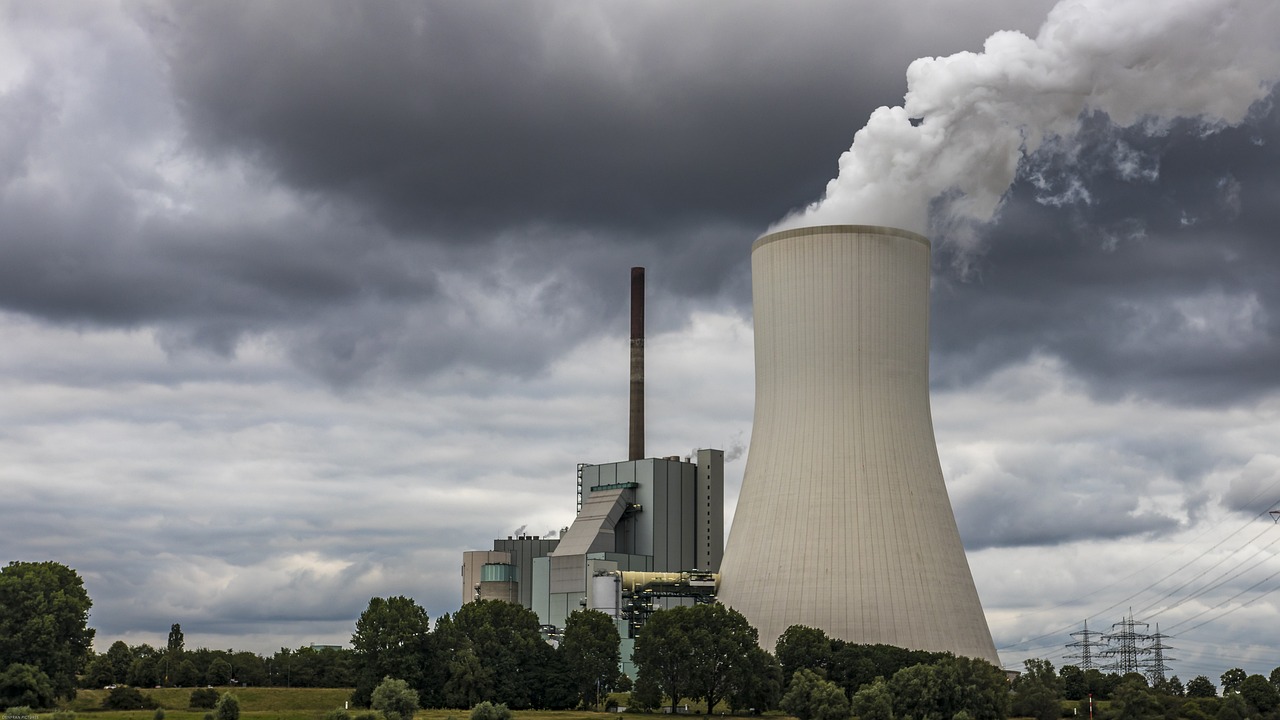

Introduction to Environmental Policy Instruments
Policy instruments for environmental management are critical in addressing ecological concerns in business contexts. These instruments aid companies in complying with environmental regulations while promoting sustainable practices. Various tools are available to businesses, including economic instruments, regulatory measures, and informational approaches. Each type has its unique characteristics and objectives. Economic instruments, such as taxes and subsidies, influence business behavior by creating financial incentives or disincentives. Regulatory measures enforce standards that businesses must adhere to, ensuring compliance with laws meant to protect the environment. Informational approaches focus on educating businesses about their environmental impact and encouraging sustainable practices through awareness and best practices. By utilizing a combination of these instruments, businesses can develop robust strategies for environmental management, balancing economic goals with ecological responsibilities. Understanding the role and effectiveness of these instruments is essential for businesses aiming to innovate and take a proactive stance towards environmental stewardship. Throughout this article, we will explore the various policy instruments available to businesses and analyze their implications for sustainable practice. Identifying and implementing effective policies are vital for any firm committed to enhancing its environmental performance in today’s competitive landscape.
One significant type of policy instrument is economic instruments, which can include both direct financial incentives and market-based mechanisms. These instruments aim to encourage businesses to adopt environmentally friendly practices by altering their economic considerations. For instance, carbon pricing is a well-known mechanism that assigns a cost to carbon emissions, thereby promoting reduced emissions among businesses. Additionally, subsidies for renewable energy can significantly lower the cost of adopting sustainable technologies, making them more appealing to businesses concerned about operational expenses. Moreover, tradable permits create a market for emissions allowances, offering businesses flexibility in how they meet environmental regulations. These economic instruments not only drive innovation but also help internalize external environmental costs into business operations. The implementation of such policies can vary by region and industry, reflecting local conditions and specific environmental goals. Ultimately, the effectiveness of these economic instruments relies on well-designed frameworks that maximize their potential benefits while minimizing negative consequences. Businesses looking to optimize their environmental performance should keep abreast of evolving regulations and take advantage of these economic opportunities to foster sustainability.
Regulatory Measures in Environmental Management
Regulatory measures form another essential category of policy instruments for environmental management. Regulations typically establish legally binding requirements for businesses to adhere to, thereby enforcing compliance with environmental standards. These measures can include permits, emission limits, and ongoing monitoring protocols. For instance, many industries must obtain permits that define acceptable levels of pollutants they can emit into the environment. Such regulations are crucial in mitigating businesses’ adverse environmental impacts. Failure to comply with these regulations can result in significant penalties, thereby incentivizing firms to maintain compliance. Additionally, regulatory approaches can be tailored to specific industries, ensuring that environmental protection measures align with the sector’s unique challenges and needs. This specificity encourages more effective monitoring and enforcement. While regulatory measures are often viewed as stringent and potentially detrimental to business growth, they can drive innovation by pushing firms to develop cleaner technologies and processes. In this way, regulations can spur competitiveness and open new markets. By aligning business practices with regulatory requirements, companies can enhance their reputation and gain a competitive edge while contributing to environmental sustainability.
Information-based instruments, the third major category of policy tools, aim to facilitate the flow of knowledge and resources between businesses and the public. Such instruments encompass various approaches, including labeling schemes, public reporting, and educational campaigns. For instance, labeling products as environmentally friendly can increase customer awareness and influence purchasing behavior. This transparency incentivizes businesses to improve their environmental accommodations in order to attract environmentally conscious consumers. Public reporting requirements, where businesses disclose their environmental impacts and sustainability efforts, can also foster accountability and encourage companies to set more ambitious sustainability goals. Furthermore, educational campaigns and workshops aimed at informing businesses about best practices and innovations can empower them to adopt greener technologies and methodologies. By creating a culture of transparency and open dialogue, information-based instruments can align business interests and environmental goals. These instruments benefit businesses by enhancing their marketability and reputation while also engaging customers and stakeholders in the sustainability conversation. Practicing information-based approaches can deepen relationships with customers who increasingly value environmental responsibility, leading to long-term brand loyalty.
Integrating Instruments for Effective Outcomes
Effective environmental management in business contexts often involves integrating various policy instruments to leverage their complementary advantages. For businesses to achieve meaningful sustainability outcomes, they must evaluate their operations and select the most appropriate mix of economic, regulatory, and informational tools. This integrated approach allows them to adapt to challenging regulations while capitalizing on ample market opportunities. For instance, a company could utilize carbon taxes as an economic instrument to motivate emissions reductions while simultaneously engaging in educational initiatives to raise employee awareness of sustainable practices. Additionally, adhering to regulatory requirements can be enhanced through the use of performance metrics drawn from public reporting initiatives. By blending these instruments, companies can create robust, multifaceted strategies that align environmental performance with organizational goals. Successful integration requires careful planning and ongoing assessment to ensure that the selected instruments yield the desired outcomes. Businesses need to continuously monitor their efforts, measure results, and adjust their approaches based on effectiveness and changing regulatory landscapes, reflecting a commitment to continuous improvement in both environmental and operational performance.
The role of leadership is pivotal in shaping how businesses approach the integration of policy instruments for environmental management. Strong leadership can foster an organizational culture that prioritizes sustainability and environmental stewardship. Leaders must distinctly communicate the importance of integrating various instruments and demonstrate a commitment to environmental responsibility. This buy-in from the top management ensures that sustainability is not viewed as mere compliance but rather a core business objective. Furthermore, fostering collaboration among various departments can enhance the effectiveness of chosen instruments. For instance, marketing can promote sustainability efforts to consumers, while operations can implement eco-friendly practices on the ground. Regular training, workshops, and stakeholder engagement strategies can help embed sustainability into the fabric of the company, positioning it as a leader in environmental management. Additionally, leaders must engage with external stakeholders, including policymakers and NGOs, to advocate for effective environmental regulations that support sustainable growth. In a rapidly changing ecosystem, companies must embrace leadership that is informed, proactive, and collaborative to navigate the complex challenges of contemporary environmental management.
The Future of Environmental Management Tools
As environmental issues become increasingly pressing, businesses must anticipate and adapt to the evolving landscape of policy instruments for environmental management. The future of these tools is likely to be shaped by advancements in technology, changing consumer preferences, and heightened regulatory scrutiny. Emerging technologies, such as artificial intelligence and blockchain, present innovative opportunities to enhance sustainability practices within various industries. For instance, AI-driven analytics can help businesses track their environmental impact in real time and streamline compliance processes. Furthermore, as consumers become more eco-conscious, there will be a greater demand for transparency and ethical practices within supply chains. Businesses will need to explore new ways to meet these demands and leverage technology to communicate their sustainability efforts effectively. The role of government cannot be understated in this evolution, as robust and flexible regulations can provide the framework within which businesses can innovate. Forward-thinking companies should actively engage in discussions around upcoming regulations, positioning themselves to adapt and thrive in a dynamic environmental management landscape that puts sustainability at the forefront of business strategy.
The implications of adopting various policy instruments in the context of environmental management extend beyond compliance and sustainability. Companies that effectively utilize these policies can also approach a competitive advantage by fostering a deeper connection with their stakeholders. For instance, by embracing sustainability and demonstrating corporate responsibility, businesses can enhance their brand image. Consumers increasingly prefer to support companies that prioritize environmental stewardship, and this preference only serves to amplify the potential impact of adhering to effective policy instruments. Moreover, businesses that lead in sustainability can inspire their competitors to follow suit, cultivating an industry-wide shift towards greener practices. This collective movement might influence market dynamics, pushing noncompliant businesses to adapt swiftly or risk losing their competitive edge. As industries undergo transformation, those firms that leverage the right combination of policies will likely emerge as leaders in their respective fields. Ultimately, engaging with environmental management not only fulfills a corporate obligation but also nurtures innovation, improves stakeholder trust, and fosters long-term success. Companies need to be forward-looking in their environmental approach, recognizing that integrated management policies will define their sustainability journey going forward.