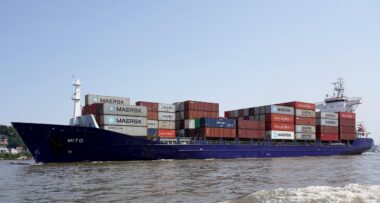

Protectionism vs Free Trade: Historical Perspectives and Modern Implications
Throughout history, the debate between protectionism and free trade has shaped economic policies across nations. Early practices of protectionism emerged to protect nascent industries against foreign competition. Tariffs and quotas were implemented to shield local production while generating revenue for governments. In contrast, the free trade movement gained traction during the 18th and 19th centuries, advocating for minimal restrictions on trade to foster economic growth. The Industrial Revolution highlighted the benefits of market expansion, leading many nations to embrace free trade policies to enhance efficiency and innovation. Economic thinkers like Adam Smith and David Ricardo championed the notion that specialization and comparative advantage could create wealth. Their writings laid the groundwork for modern theories of trade. However, as global dynamics evolve, questions arise regarding the sustainability of free trade. Economic crises, rising nationalism, and inequities stemming from globalization fuel the resurgence of protectionist measures. Nations often resort to safeguarding domestic industries, a move seen as necessary to preserve jobs and economic stability. This ongoing tug-of-war continues to influence international relations and economic strategies in the 21st century. The ideological clash remains pivotal in shaping trade policies worldwide.
Protectionism manifests in various forms, including import tariffs, export subsidies, and non-tariff barriers. These measures aim to elevate domestic producers by making foreign goods less competitive. Tariffs raise the price of imports, consequently encouraging consumers to purchase locally manufactured products. Among the notable proponents of protectionist policies, the United States experienced notable shifts throughout its history, reflecting the evolving economic landscape. During the Great Depression, protectionism peaked with the Smoot-Hawley Tariff Act of 1930, which drastically raised tariffs on hundreds of goods. Though intended to support domestic industries, this act negatively impacted international trade relations, leading to retaliatory tariffs and a significant decline in global commerce. Conversely, periods characterized by free trade agreements, such as the North American Free Trade Agreement (NAFTA), illustrate an inclination toward reducing trade barriers. NAFTA allowed for increased trade between the United States, Canada, and Mexico, reinforcing the economic interdependence among these nations. As countries navigate the complex interplay between protectionism and free trade, their policies reflect their priorities while acknowledging the interconnectedness of the global economy. This balancing act between competing ideologies continues to shape international trade dynamics.
Economic Theories Surrounding Trade Policies
The discourse surrounding protectionism versus free trade is deeply rooted in economic theory. Classical economists, advocating free trade, argue that it leads to greater efficiency and innovation from the competition of diverse markets. According to the principle of comparative advantage, countries should specialize in producing goods in which they have an efficiency edge. In theory, this specialization enhances overall economic welfare. However, critics of free trade highlight the potential dangers, including job loss in vulnerable sectors and increased inequalities. The argument posits that while the overall economy may benefit, certain groups may bear disproportionate costs. Protectionist supporters claim that safeguarding domestic industries allows for the preservation of jobs and security against volatile global markets. The fallout from economic crises serves to validate their concerns, prompting governments to reassess their trade strategies. Emerging economies often grapple with these issues, caught between the desire to integrate into the global economy and the need to shield local industries from adverse effects. As new trade agreements are negotiated, economic theories will undoubtedly influence policy formulations while addressing pressing issues such as climate change and labor standards.
The modern implications of the protectionism versus free trade debate are particularly pertinent in light of recent geopolitical tensions. Trade disputes between global powers, most notably between China and the United States, arise from a clash of interests rooted in both styles of trade. Such disputes have not only affected tariffs but also have raised questions about the future of global supply chains increasingly reliant on interconnected markets. The COVID-19 pandemic further exemplified these vulnerabilities as countries scrambled for essential goods, pushing some regions to reconsider their dependency on global manufacturing hubs. Moreover, populism has surged in various nations, leading to a resurgence of nationalist sentiments and calls for protectionist measures that prioritize domestic welfare over international commitments. Economies previously embracing free trade suddenly face pressures to adopt more protective stances, illustrating an inherent instability in global trade practices. This landscape demands that policymakers adapt their strategies, recognizing the intricate balance of national interests and global responsibilities. As countries reassess their trade relationships, the outcome may alter future economic policies and the structure of international trade.
Trade Agreements and Their Impact
Trade agreements are instrumental in shaping the free trade landscape. Treaties such as the World Trade Organization (WTO) agreements aim to facilitate international commerce, advocating for minimal trade barriers among member nations. These agreements typically encompass a range of issues beyond just tariffs, including intellectual property rights and dispute resolution mechanisms. The endeavor is to create a level playing field, fostering competitiveness and economic growth. However, the effectiveness of such agreements is often questioned amidst rising sentiments for protectionism. Critics argue that these treaties sometimes neglect the implications for labor standards and environmental concerns, raising concerns about equitable benefits across all nations. Moreover, smaller nations may find themselves at a disadvantage in negotiations with larger economic powers, exacerbating existing inequalities. In contrast, regional trade agreements, such as the Comprehensive and Progressive Agreement for Trans-Pacific Partnership (CPTPP), illustrate attempts to establish collaborative frameworks while addressing regional issues specific to members. The ongoing evaluation of trade agreements highlights the complexities and necessary adjustments in trade policies, as countries balance their domestic interests with their obligations to uphold international commitments. The evolution of these agreements will continue to significantly influence global trade dynamics.
In conclusion, the protectionism versus free trade debate is an ever-evolving narrative intrinsically tied to historical events, economic theories, and contemporary issues. As nations encounter new challenges, their approaches to trade will remain vital in determining their economic prosperity and stability. Policymakers grapple with the need to foster economic growth while ensuring equitable outcomes for their citizens. The dynamic nature of global trade demands that countries find innovative solutions to navigate the complex interplay of protecting domestic interests while reaping the benefits of international partnerships. Considering this evolving landscape, the lessons gleaned from history can offer valuable insights into navigating future trade policies. Stakeholders, including businesses, consumers, and governments, must engage in meaningful dialogue to craft strategies that address the multifaceted nature of international commerce. Societal priorities including sustainability, labor rights, and economic inclusion must be factored into trade discussions. The ongoing discourse surrounding protectionism and free trade will play a pivotal role in shaping the global economy, highlighting the need for collective action toward a more equitable and sustainable trading environment as international relations deepen.
Ultimately, the trends seen in protectionism and free trade are manifestations of broader economic, social, and political narratives. By scrutinizing these complexities, stakeholders can better understand the implications of their choices on the global stage. Engaging in informed discussions and considering the historical context of trade policies can foster a more nuanced understanding of the ongoing debates and their far-reaching implications. Economically, the lessons learned can guide countries toward adopting trade policies that embrace equitable benefits while addressing pressing societal concerns. Collaboration among nations with shared objectives can pave the way for innovative trade agreements that can benefit all parties involved. Balancing the interests of domestic producers with the advantages of international commerce demands thoughtful consideration. Furthermore, creating frameworks that prioritize social responsibility can help mitigate the adverse effects of both protectionist and free trade measures. In examining the future of global commerce, adaptive strategies will play a critical role as nations respond to the complexities of globalization and strive for economic resilience. The journey ahead will require collaboration, negotiation, and a commitment to fostering sustainable practices within international trade arenas.
In sum, the debate between protectionism and free trade serves as a reflection of the global economic landscape, continuously influenced by historical precedents and contemporary challenges. As nations grapple with their roles in a rapidly changing world, they must navigate the tensions between national interests and global responsibilities. Understanding this interplay is crucial as global commerce evolves, reflecting shifts in priorities, values, and societal needs. Both protectionist and free trade policies present unique advantages and drawbacks, with the potential to reshape economies spanning local to global scales. Moving forward, the task for policymakers and stakeholders will be to embrace a balanced approach that fosters innovation and inclusivity within trade relationships. Strengthening international cooperation, ensuring fair practices, and addressing global challenges will be imperative for crafting resilient economic structures. Ultimately, the ongoing dialogue surrounding protectionism and free trade will remain relevant in the increasingly interconnected world, influencing future policies that aim to strike a balance between competitiveness and social well-being. Fostering transparency and an ongoing commitment to collaboration will further support these ideals, ensuring that the evolving narrative of international trade aligns with the aspirations of global citizens.