
The Role of Savings and Investment in Economic Growth
Savings and investment are fundamental components of economic growth, influencing the speed and sustainability of development. When individuals save money, they increase the available funds for investment, which can lead to capital formation. Capital formation is essential as it involves investing in physical assets, like machinery, infrastructure, and technology. These investments directly impact productivity, allowing economies to grow and expand their output. Furthermore, higher savings can lead to lower interest rates, making it easier for businesses to borrow and invest in expansion projects. Ultimately, increased investment activity spurs a cycle of growth, leading to higher employment and income levels. As people earn more, they tend to save a larger portion of their income, fueling further investment. However, achieving a balance between savings and consumption is crucial because excessive savings with low consumption can stall economic growth. Therefore, policymakers often aim to encourage an optimal level of savings while ensuring that consumer spending also drives demand for goods and services, making both elements essential for a robust economy.
Understanding Savings and Its Impact
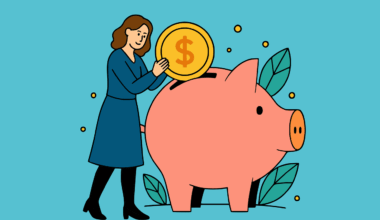
Savings refer to the portion of income that individuals set aside rather than spend immediately. They are crucial in any economy as they provide necessary resources for investment. When the level of savings increases, it creates a pool of funds that can be directed towards various sectors, such as businesses, real estate, and infrastructure development. A robust savings rate indicates a healthy economy, as it reflects the public’s confidence in the future and their capacity to plan financially. Furthermore, savings provide individuals the means to manage unexpected circumstances or investment opportunities, promoting economic stability. On a national level, savings can enhance the resilience of an economy to shocks and downturns, facilitating long-term growth. Investment derived from savings often leads to technological advancements, enhanced productivity, and job creation. Governments may encourage savings through tax benefits or savings programs, reflecting the recognition of their importance. In summary, a strong culture of savings positively impacts overall economic growth and serves as a pillar for investment, which is needed for sustained prosperity.
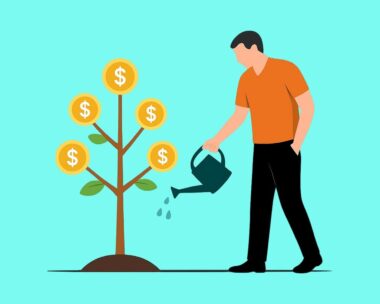
Investment is the process of allocating resources, typically financial capital, in order to generate a return or profit. It plays a vital role in expanding an economy’s productive capacity. By channeling savings into productive ventures, investments contribute effectively to economic growth. These investments can occur in various forms, including stocks, bonds, real estate, and direct ownership of businesses. The key is that these investments should yield a return over time, enabling reinvestment and further expansion. The nature and success of investments can vary significantly, influenced by factors such as market conditions, governmental policy, and technological advancements. Moreover, when businesses invest, they enhance their capacity to produce goods and services, stimulating demand and leading to job creation. This, in turn, augments the income of households, contributing to higher savings levels. Therefore, the interlinkage between savings and investment forms a crucial cycle within the economy. Policymakers often focus on creating an environment conducive for investment through favorable regulations, incentives, and stable economic conditions to drive growth and sustainable development.
The Savings-Investment Relationship
The relationship between savings and investment is a cornerstone of economic theory, illustrating how these two components interact to stimulate growth. Higher levels of savings typically lead to increased investment, as businesses find more available capital for expansion. This positive relationship goes both ways; increased investment can generate higher income that ultimately boosts savings. Economies that promote savings typically see a corresponding uptick in investments, driving growth. In essence, the funds accumulated through savings provide the necessary liquidity for investments. Economists argue that a higher savings rate contributes directly to the country’s ability to finance development and improve living standards. Nevertheless, it is essential to remain aware of the potential for diminishing returns as investment efforts escalate, emphasizing the need for quality over quantity in investment strategies. Furthermore, government policies can significantly influence this relationship by either incentivizing savings through tax breaks or encouraging investment through infrastructure development. Thus, understanding this dynamic is crucial for implementing effective economic policies that foster sustainable growth.
Investment Efficiency and Economic Growth is closely tied to how efficiently savings are transformed into productive capital. Not all investments are equally effective; thus, optimal allocation of resources is critical. When investments are targeted towards high-impact areas such as R&D, education, or renewable energy, they yield better outcomes for economic growth. The efficiency of investments is often assessed through their return on investment (ROI) metrics, helping determine their value relative to the resources committed. Efficient investments boost productivity and innovation, driving further economic development. Moreover, the investment climate within a country heavily impacts efficiency. Stable political environments, robust financial institutions, and transparent legal frameworks generally foster efficient investments, maximizing the potential benefits of savings. This highlights the importance of governance in the relationship between savings and investment, as well-structured financial systems can channel savings more effectively into productive uses. Strategies that focus on enhancing investment efficiency can help ensure that the growth generated is sustainable and equitable, thus reducing economic disparities within society. In conclusion, both high savings and their optimal investment play crucial roles in driving economic growth.
Challenges to Savings and Investment
Despite the clear importance of savings and investment for economic growth, several challenges may hinder their effectiveness. One significant challenge is the fluctuating economic environment, which can lead to uncertainties and hesitation in both savings and investing. High inflation rates may deter people from saving, as the purchasing power of their savings diminishes over time. Similarly, concerns about economic downturns can lower investment levels, as businesses may be reluctant to commit resources when future conditions are uncertain. Additionally, insufficient financial education among the public can lead to poor saving and investment decisions, impacting long-term economic outcomes. Structural issues in the financial system, such as inadequate access to credit for small businesses, can also restrict investment opportunities. Furthermore, demographic shifts may pose challenges, as aging populations tend to save more yet invest less, impacting overall growth prospects. Policymakers face the tasks of addressing these hindrances to strengthen savings and investment, ensuring an environment conducive to sustainable economic growth. Thus, it is essential to recognize and actively manage the challenges to harness the full potential of savings and investment for economic development.
In conclusion, savings and investment are intertwined components that influence economic growth significantly. Understanding their dynamics not only helps economists and policymakers craft better fiscal strategies but also informs individuals about the importance of sound financial practices. Adequate savings provide the foundation for investments, which in turn lead to capital formation and productivity enhancements. This relationship sets in motion a cycle where economic activities flourish, jobs are created, and living standards improve. However, for the benefits to be realized fully, there needs to be an efficient allocation of resources, and barriers must be addressed. A concerted effort from both individuals and government institutions is necessary to cultivate a culture of savings alongside attractive investment opportunities. This holistic approach can lead to a healthier, more resilient economy capable of withstanding challenges. Thus, promoting a balance between savings and investment emerges as an essential priority for sustainable development in any economic system. Embracing this concept fosters the understanding that individual decisions collectively influence national economic progress.