
The Future of Stock Trading Platforms with Blockchain Technology
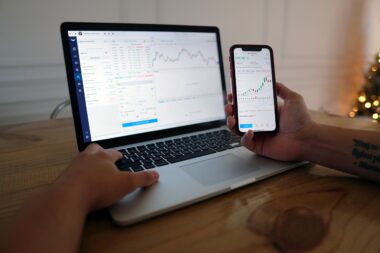
The landscape of stock trading is transforming rapidly, especially with the advent of blockchain technology. Stock trading platforms leverage blockchain’s decentralized ledger, enhancing security and transparency in transactions. These platforms enable peer-to-peer trades without the need for traditional intermediaries, reducing operational costs. Furthermore, the seamless integration of smart contracts automates the execution of trades, facilitating faster settlement times. Users gain access to real-time data while retaining control over their assets. With greater market efficiency and enhanced trading capabilities, investors can make informed decisions. Additionally, blockchain provides an immutable record of all transactions, minimizing the risk of fraud and ensuring integrity. The potential for fractional ownership further democratizes access to investments, allowing more individuals to participate. Regulated exchanges are beginning to embrace this technology to respond to the demands of a changing market. As regulatory frameworks evolve, the adoption of blockchain will likely grow, reshaping the future of stock trading. Continuous innovations in this field promise an exciting future, bridging traditional finance and technology to create more inclusive platforms.
The integration of blockchain technology in stock trading platforms presents numerous benefits and opportunities for investors. Security is one of the primary advantages, as blockchain ensures that all data is encrypted and protected from unauthorized access. Users enjoy increased privacy while trading, encouraging more individuals to engage in the stock market. Moreover, blockchain allows for reduced transaction fees as it eliminates the need for middlemen, making trading more cost-effective. Increased liquidity is another crucial benefit, as blockchain facilitates easier access to markets and global investor participation. This shift enables smaller investors to trade more frequently, creating a more vibrant market. Transparency becomes the norm when all transactions are recorded on a public ledger, allowing users to verify and audit trades effortlessly. As liquidity and transparency rise, trust in platforms will increase, promoting widespread adoption. Additionally, innovative trading strategies can emerge through the combination of blockchain and advanced analytics, providing unique insights for traders. Overall, embracing this technology will enable a more dynamic and accessible trading environment for everyone.
Challenges and Road Ahead
Despite the numerous advantages, the transition to blockchain-based trading platforms does pose some significant challenges. One of the primary hurdles is regulatory compliance; ensuring that these platforms adhere to existing financial regulations is crucial. Governments and regulators must create guidelines that ensure consumer protection while allowing the benefits of blockchain to flourish. Furthermore, there’s a need for standardization within blockchain implementations to ensure interoperability among different platforms. Investors require a unified framework for trading across various exchanges without confusion. Additionally, the technology itself must mature; scalability remains a prominent issue requiring further research and development to handle high transaction volumes efficiently. Education and awareness among investors and traditional institutions are essential for a smoother transition. As users become more familiar with blockchain, they will overcome skepticism and embrace the advantages of this emergent technology. Collaborations between traditional financial institutions and blockchain startups could pave the way for prototype trading systems. A strategic approach is vital for addressing these challenges, as it will determine the robustness and adaptability of future platforms.
Technology continues to advance, and blockchain is no exception; advancements in decentralized finance (DeFi) will further influence stock trading platforms. The rise of DeFi signifies a paradigm shift in how investments operate, emphasizing user autonomy and reduced reliance on centralized entities. DeFi allows investors to establish their own terms for trading and access financial services directly on the blockchain. As more platforms begin to integrate DeFi protocols, we can expect significant disruption in traditional stock market paradigms. These changes will likely lead to the emergence of tokenized assets, reshaping how stocks are perceived and traded. Tokenization allows assets to be divided into smaller units, making investment more accessible to a wider audience. As innovative financial products develop in the DeFi landscape, they will provide further opportunities for diversification and risk management. In parallel, the education of retail investors on these advanced trading methods will become crucial. Thus, training programs, educational materials, and community engagements could enhance users’ understanding of these platforms, laying the groundwork for the future of stock trading. A collaborative effort among industry participants, regulators, and educators will ensure the progressive growth of this sector.
The Role of Smart Contracts
Smart contracts are vital elements of blockchain technology that enhance stock trading platforms’ functionality. These self-executing contracts contain coded agreements that automatically trigger actions when specific conditions are met. This automation streamlines transaction processes, eliminating delays caused by intermediaries in traditional trading. Smart contracts ensure that all parties are held accountable, reducing the risk of fraudulent activities. Moreover, they increase transparency by enabling users to verify contract terms before trading, fostering a sense of trust among investors. The advent of programmable money further enhances smart contracts, allowing for creative financial innovations such as automated dividend distributions or the utilization of yield farming strategies. Additionally, smart contracts can facilitate complex financial instruments that traditional systems struggle to manage. The flexibility offered by such technology may encourage more users to trade on blockchain platforms as they experience a seamless and efficient environment. Educational initiatives devoted to smart contract functionalities can further empower investors. Overall, the rise of smart contracts represents a significant leap towards creating stable, transparent, and efficient stock trading platforms.
As blockchain technology continues to evolve, its impact on stock trading platforms will significantly shape investor behavior and market dynamics. Increasing adoption may lead to a substantial shift away from conventional trading practices. Investors will develop a preference for decentralized platforms that provide enhanced security and better control over their assets. Transparency will be a primary concern, as users seek platforms that offer verifiable trade history and transparent pricing structures. These factors will help in building confidence among participants and contribute to a healthier market ecosystem. Additionally, interoperability initiatives among neighboring blockchain networks could create a unified trading landscape. Such a world would enable seamless asset transfers, enhanced liquidity, and improved trading experiences. The design of user-friendly interfaces will also play a crucial role in attracting a wider audience; the focus on accessibility cannot be understated. Ultimately, stock traders will gravitate towards platforms that offer safety, ease of use, and access to innovative tools. Continuous improvements in blockchain technology and its applications for stock trading will shape a more organized, equitable, and future-ready trade environment.
Conclusion: Embracing Innovation
In conclusion, the integration of blockchain technology into stock trading platforms heralds a new era of investment opportunities. With numerous benefits, including enhanced security, reduced costs, and increased transparency, blockchain stands to redefine how stock markets function. It provides a much-needed solution for existing challenges faced by traditional trading systems, making trading more inclusive and accessible. As the landscape continues to change, stakeholders must remain adaptable and proactive in embracing this technology’s potential. Collaboration between regulators, developers, and investors will be crucial for harnessing blockchain’s full capabilities. Continuous research, education, and community engagement can drive widespread acceptance and foster a secure environment for trading. By staying ahead of emerging trends and collaborating across sectors, we can pave the way for future developments in stock trading platforms. The climb towards a more efficient, transparent, and accessible stock market seems promising, and as we enter this new realm, innovative solutions will create endless opportunities for all participants. The future is bright for those willing to embrace change and actively engage in shaping the next chapter of stock trading.