
The Impact of Credit Reports on Debt Consolidation Decisions
Understanding the role of credit reports in debt management is crucial for consumers navigating financial challenges. Credit reports provide detailed insights into an individual’s credit history, which includes payment history, outstanding debts, credit inquiries, and accounts. These reports significantly influence lenders’ decisions regarding loan approvals and conditions. When considering debt consolidation, a potential borrower must first review their credit report to understand their score and overall credit profile. A higher credit score typically leads to better terms, lower interest rates, and improved chances of loan approval. Therefore, it is essential for consumers to regularly monitor their credit reports and work towards maintaining a high credit score. Strategies to improve credit scores include making timely payments, reducing overall debt levels, and ensuring that all information in the credit report is accurate. In this way, consumers can position themselves favorably when seeking debt consolidation options. Knowing what lenders see when they access credit reports allows individuals to make informed decisions regarding debt management and consolidation strategies to achieve financial health.
When considering consolidating debt, consumers should be aware that their credit report will be scrutinized by potential lenders. This is because lenders rely heavily on credit reports to assess risk. A high credit score may not guarantee loan approval, yet it certainly enhances the likelihood of favorable loan terms. To avoid surprises, borrowers need to carefully examine their credit history, specifically focusing on errors or discrepancies that could negatively impact their scores. If inaccuracies are found, it is vital to dispute them promptly with the relevant credit bureau. Additionally, understanding how credit utilization affects scores is essential. Keeping credit card balances low relative to credit limits demonstrates responsible borrowing behavior. This aspect significantly influences credit scoring models, helping consumers to improve their chances of securing debt consolidation loans. Educational resources available online offer valuable insights into effective credit management. By capitalizing on these tools, individuals can enhance their financial literacy, which ultimately aids in navigating the complexities of debt consolidation. Armed with knowledge, consumers can make better choices that align with their financial goals, promoting a more stable economic future.
The Relationship Between Credit Scores and Debt Consolidation
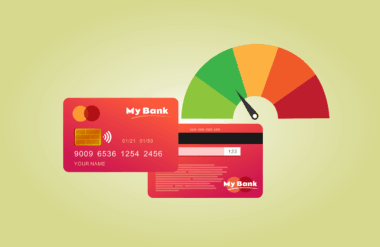
The relationship between credit scores and debt consolidation is intricately connected. A potential borrower’s credit score directly impacts their ability to secure favorable consolidation loan terms. Typically, lenders categorize scores into ranges, allowing them to gauge the risk associated with lending. Those with higher scores are deemed less risky, which translates into lower interest rates and more accessible repayment conditions. On the contrary, individuals with lower scores might face higher rates or even loan denials. This reinforces the importance of proactively managing credit throughout the year. Regularly checking credit scores can help individuals gauge their current standing and understand how various financial decisions affect their scores. Before applying for a consolidation loan, consumers should engage in strategies to improve their scoring, such as paying off small debts or reducing utilization rates. Additionally, financing offers tailored to borrowers with different credit profiles can be explored. Researching these options ensures individuals can find the best products available, catering to their financial situations. Ultimately, the knowledge gained from understanding credit management lays the groundwork for successful debt consolidation plans.
Upon considering debt consolidation, potential borrowers must recognize the influence of credit reports in shaping lender perceptions. A comprehensive credit report can showcase not only positive attributes, such as stable payment habits and low debt utilization but also negative factors that could hinder loan acquisition. Therefore, individuals contemplating debt consolidation should strive to resolve outstanding issues before proceeding with their application. Timely payments, clearing outstanding collection accounts, and managing existing debt effectively are essential strategies that can polish a credit profile and enhance overall borrowing potential. It may be beneficial to seek guidance from financial advisors or credit counseling services to navigate credit improvement methods tailored to specific circumstances. Adopting a proactive approach empowers consumers to take charge of their finances, minimizing reliance on consolidation loans as a quick fix. In addition, doing so helps build a score that reflects discipline and responsibility. Education about available credit products and lender requirements is paramount to making informed decisions. A good credit report will undoubtedly serve as an ally in obtaining the best consolidation options available, ensuring a strong position in debt management efforts. Evaluating debt consolidation options becomes a significant consideration in light of one’s credit score. Once armed with a clear understanding of their credit profile, consumers should explore various forms of available consolidation loans, including secured and unsecured loans. Traditional banks, credit unions, and online lenders provide differing benefits and drawbacks for potential borrowers. Secured loans, typically having lower interest rates, require collateral, whereas unsecured loans come without collateral demands but may carry higher interest rates. Additionally, understanding terms and fees associated with individual loan products is essential. Borrowers must recognize that many lenders disclose rates and fees after evaluating their credit reports, making an exceptional credit profile beneficial in this aspect. Reading loan agreements carefully ensures that borrowers are aware of any hidden costs or unfavorable terms. With the information gathered, borrowers can make informed comparisons, facilitating better choices aligned with their financial goals. All things considered, it’s valuable to examine all options available to meet diversity in financial needs. When properly evaluated, debt consolidation serves as a viable tool for managing existing debts effectively. The impact of credit reports on debt management illustrates the importance of financial education and awareness. While many consumers understand the concept of credit scores, few grasp how reports influence their day-to-day financial decisions. For instance, a significant amount of credit inquiries may show up in reports during the debt consolidation process. Each inquiry can slightly lower a credit score and potentially impact lending decisions negatively. Consumers should limit the number of inquiries by researching products before submitting multiple applications. Instead, they can consider using prequalification tools offered by reputable lenders. This approach encourages exploratory processes without adversely affecting their credit report. Understanding the distinctions between soft and hard inquiries can aid in making informed choices. Furthermore, tracking credit scores over time allows for better insight into how different strategies affect overall financial health. Continuous learning about credit management and its nuances leads to improved decision-making abilities. Addressing credit issues early on prevents long-lasting repercussions, allowing individuals to pursue debt consolidation effectively when necessary. Ultimately, this proactive stance can yield significant financial benefits and lead to a successful debt management journey. In conclusion, understanding the role of credit reports in debt consolidation decisions is essential for effective debt management. Consumers must acknowledge the pivotal relationship between their credit profiles and their borrowing capabilities. Striving for accurate credit reports and maintaining high credit scores can drastically influence loan options and terms. By actively monitoring financial health and engaging in responsible borrowing practices, individuals can leverage their credit reports effectively to secure favorable debt consolidation solutions. Financial education is paramount as consumers navigate their unique financial landscapes. Access to reputable resources enables individuals to seek assistance when faced with credit-related dilemmas, ensuring each decision made aligns with their long-term financial aspirations. A comprehensive understanding of personal finances can typically lead to healthier credit behaviors and positive economic outcomes. Active participation in credit improvement strategies fosters financial resilience, ultimately increasing the likelihood of successful consolidation. Furthermore, as consumers become adept at managing their credit, they empower themselves to make sound financial choices throughout their lives. Embarking on the journey of understanding credit reports will cultivate stronger control over financial futures.
Conclusion