
The Role of Customer Journey Mapping in Product Design
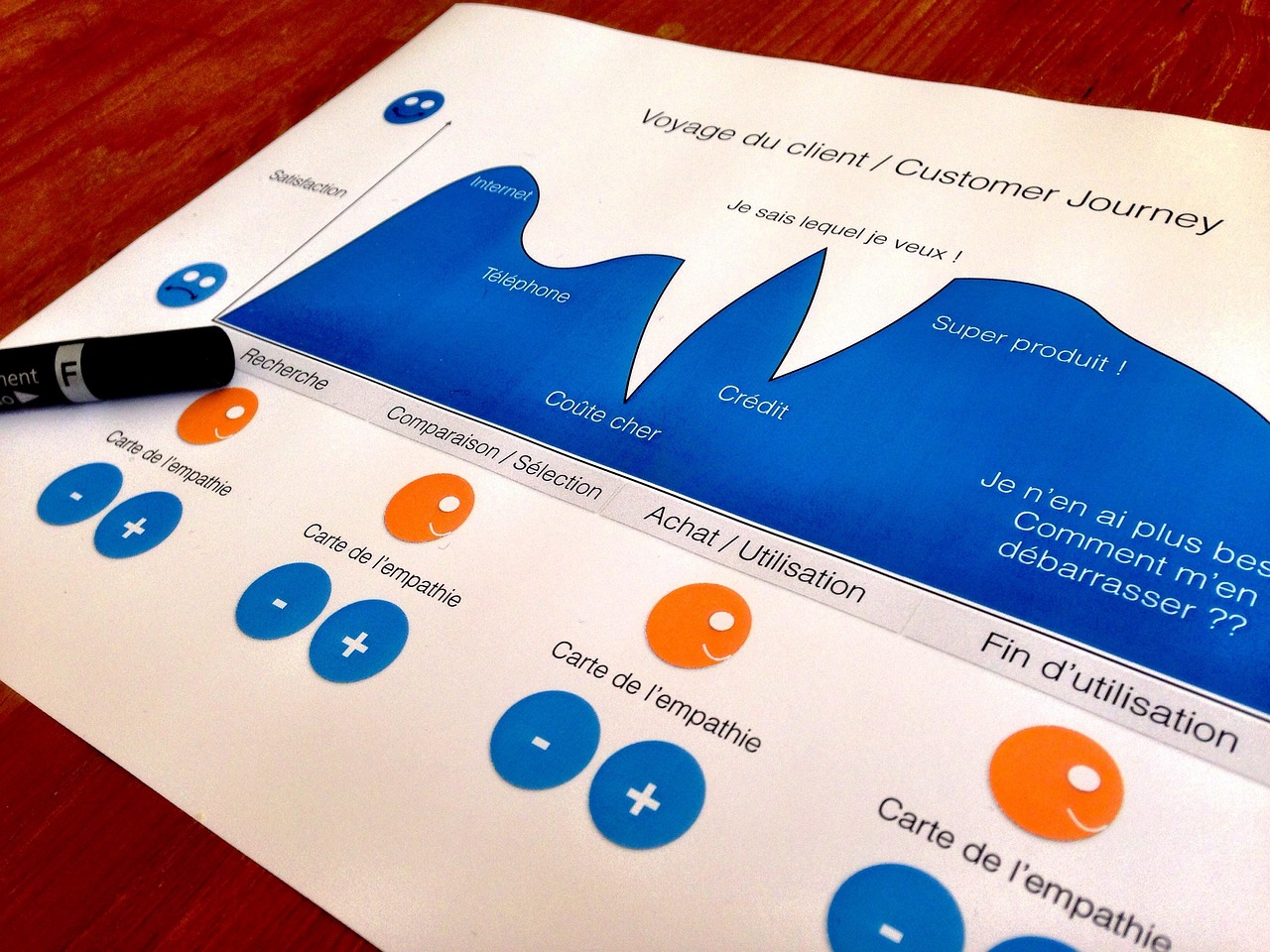
Understanding customer journey mapping is crucial for product development. This approach enables businesses to analyze all interactions that a customer has with their product. By outlining each touchpoint, teams can identify pain points and opportunities for improvement. Creating a visual representation of the customer’s journey can highlight the gaps in the user experience. These gaps often lead to frustration and dissatisfaction, impacting retention rates. Research shows that when companies prioritize customer experience, they significantly enhance customer loyalty. A well-executed customer journey map aligns product features with user needs, leading to greater product efficacy. When stakeholders from various teams contribute to this process, they bring diverse perspectives that enrich the mapping experience. Moreover, journey maps can serve as valuable communication tools that demonstrate customer-centric strategies. This ultimately leads to more informed decisions. In an interconnected marketplace, understanding user behavior through mapping can be a game changer. Companies like Airbnb and Spotify illustrate how effective customer journey mapping can tailor products to varying user preferences. This strategic alignment is essential for any successful product design initiative, ultimately driving growth and profitability for businesses.
The second phase of product design involves specifying customer emotions. Context plays a significant role in how users experience products. Customer journey mapping tools can help translate emotional responses into actionable insights. Research indicates that emotional reactions significantly influence purchasing decisions. By capturing the emotional aspects, teams can identify what users truly desire from their products. Mapping these emotions against the journey stages allows teams to optimize interaction points effectively. The goal is to produce touchpoints that evoke positive feelings while minimizing negative ones. For instance, designing an onboarding process that delights users can increase engagement rates. Such proactive approaches reduce drop-offs in the early stages of usage. Additionally, integrating feedback loops enables organizations to continually refine their product based on user emotions. Listening to customer feedback offers insights that pure data might miss. By focusing on user sentiments, companies prepare themselves to adapt the evolving marketplace dynamics. Empathy becomes the foundation of product design, leading not just to usability, but also a fulfilling experience. Ultimately, companies should consider emotional mapping a crucial part of their journey maps, ensuring every touchpoint bolsters brand loyalty and efficacy.
Integrating Customer Insights into Product Development
Incorporating customer insights into product development is not just beneficial; it’s essential. Customer journey mapping provides invaluable data that guides product features and design. By analyzing how users navigate through various stages, companies can understand their challenges better. Each interaction becomes a data point that sheds light on user behavior, expectations, and frustrations. Companies that excel in using this data can anticipate needs and customize their offerings accordingly. Effective integration of insights can be accomplished through various methodologies including surveys, interviews, and usability testing. This iterative process allows for continuous improvements based on real-world feedback. Delving into customer perspectives fuels innovation, pushing teams to think beyond conventional boundaries. Products that resonate with users typically outperform their competition. Journey maps can also identify trends when analyzed over time, offering strategic foresight. Companies can make proactive changes rather than reactive adjustments. It is also critical for cross-functional teams to collaborate in interpreting these insights. Integration of customer feedback into design systems supports cohesive product development. The end goal is always to design products that align closely with what customers genuinely want and need, ensuring long-term success.
Visual representations of customer journeys can illustrate complex processes simply. Tools such as flowcharts and graphs make data easier to digest. Creating engaging visuals can foster better discussions among stakeholders, making the journey maps more actionable. Visualization also aids in highlighting inconsistencies in user experience which might otherwise go unnoticed. Identifying these inconsistencies allows teams to formulate targeted solutions, thus refining the product. For effective visual storytelling, it is essential to focus on key metrics. Graphs illustrating drop-off points can demonstrate where users disengage, prompting urgent attention. Additionally, creating personas can contextualize the data, making it relatable. Personas help teams empathize with users, facilitating a better understanding of their choices. As part of the mapping process, involving customers can enhance the quality of the visuals. Workshops can be conducted to gather insights directly from users, thereby enriching the visuals created. With visual data representation, the process of analyzing customer journeys becomes more intuitive. Stakeholders are more likely to advocate for necessary changes, driving the company toward customer-centric solutions. Ultimately, effective visual mapping nurtures alignment across departments, paving the way for cohesive product strategies.
Benefits of Collaborative Mapping in Product Design
Collaboration is at the heart of effective customer journey mapping. When teams from different spheres come together, the output is invariably more comprehensive. Diverse perspectives enrich the mapping process, allowing for thorough exploration of customer journeys. This collaboration leads to innovative ideas that might not emerge in siloed environments. Each department, from marketing to design, contributes unique insights that enhance the understanding of customer needs. Furthermore, fostering a collaborative approach establishes a culture of innovation. Teams become more adept at envisioning products that meet real user requirements. Involving multiple stakeholders also ensures that the journey map considers various customer segments. This holistic view aids in identifying key focus areas when designing product features. Regular collaborative mapping sessions can deepen communal knowledge about customer pain points. By working together, teams can prioritize opportunities that yield high impacts on user retention. Additionally, cross-functional teams are better positioned to act quickly, efficiently responding to user feedback. Ultimately, collaboration not only sharpens the quality of design but also solidifies teamwork. The end result is a product that truly reflects user needs and expectations, reinforcing brand loyalty.
Transitioning from mapping to actual implementation is where challenges often arise. Despite extensive customer journey mapping, organizations sometimes falter in applying insights effectively. This gap frequently arises from a lack of clear communication between teams. Ensuring that insights gleaned from customer journeys translate into actionable items requires strategy. Tools such as project management software can bridge communication divides effectively. Transparency in how insights influence product development keeps everyone aligned. Additionally, setting clear goals based on journey maps helps in fostering accountability. Regular check-ins can monitor progress, ensuring teams remain focused on user-centric goals. Companies should also track key performance indicators (KPIs) to assess the effectiveness of implemented changes. By measuring performance against established goals, teams can refine approaches in real-time. This adaptability allows businesses to pivot when necessary, creating products that more accurately meet evolving user expectations. Documentation of journey insights in a central repository makes it easier for future teams to reference. A knowledge base rich with historical data fosters continuous improvement in product development efforts. In essence, translating mapped insights into tangible results is critical for long-term success.
Future Trends in Journey Mapping for Product Innovation
The future of customer journey mapping is bright, with emerging technologies shaping its trajectory. Artificial intelligence and analytics will enhance capabilities in understanding user behavior patterns. Predictive analytics can foresee customer needs before they even explicitly express them. Imagine journey maps that evolve in real-time based on user interactions and feedback. Such dynamic mapping can significantly improve the relevance of product design. Additionally, integrating virtual and augmented reality can bring mapping to life. Users will be able to visualize their interactions more vividly, making feedback richer and more actionable. Social listening tools will also play an integral role in gathering insights from conversations happening online. This social dimension adds another layer of understanding user desires and pain points. Companies will increasingly adopt agile methodologies to keep pace with rapidly changing market demands. Fast iterations and continuous feedback loops will be paramount to maintaining customer focus. As organizations strive for innovation, journey mapping will become pivotal in harnessing customer insights. Ultimately, blending technology with traditional mapping techniques will revolutionize product design, fostering creativity and enhancing user satisfaction.
The insights gained from customer journey mapping can profoundly alter product strategies. Companies can identify which stages of the customer experience require specific interventions. With targeted marketing and a focus on product features that enhance usability, businesses can see higher conversion rates. Specifically, the ability to gather qualitative and quantitative data allows businesses to refine their offerings more precisely. As the market evolves, tracking progress through periodic journey map updates is essential to stay connected with customers. Additionally, recognizing the diversity of users through segmentation adds an extra layer of depth. Collaborating with analytics teams enables organizations to create more refined and personalized experiences. Integrating multiple data sources from various customer touchpoints brings holistic insights to the forefront. These insights highlight not just customer preferences, but the context in which they make decisions. The design teams can then pivot their strategies based on this comprehensive understanding of customer behavior. Thus, journey mapping does not merely inform product features; it shapes overall business strategy. Companies that approach mapping holistically and collaboratively are better equipped to thrive in competitive landscapes, ultimately ensuring lasting customer engagement and loyalty.