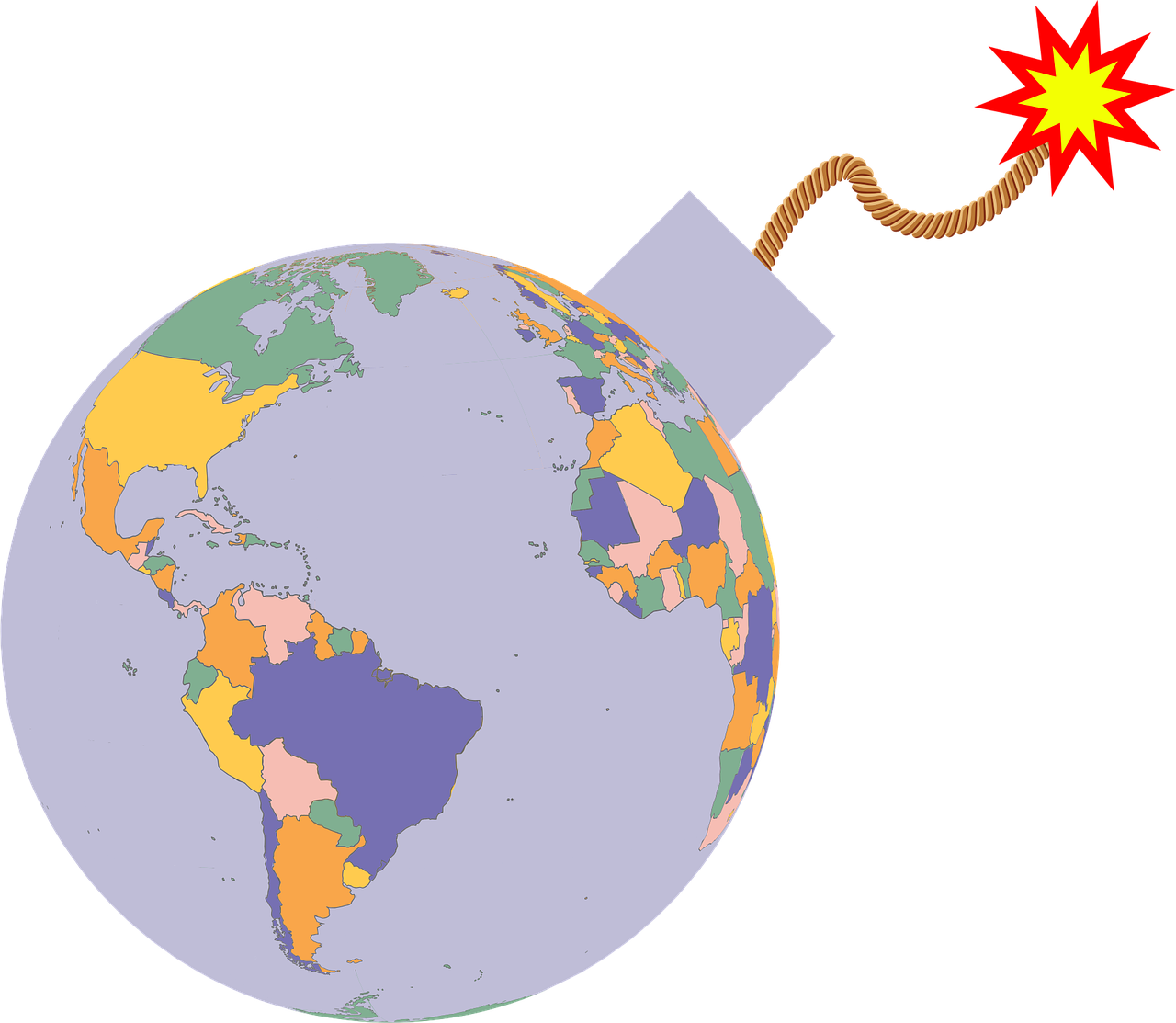

Forecasting Political Risk: Methods and Challenges
Forecasting political risk involves evaluating various factors that may impact business activities. It requires a systematic approach to identify instability arising from different political environments. The implications of political risk are far-reaching, influencing decisions made by investors, businesses, and governments. Businesses must comprehend the potential effects of political turbulence on investments. Analysts utilize numerous methods for forecasting political risk. These include qualitative assessments, quantitative measures, and hybrid approaches that blend both techniques. Each of these methods provides distinct insights into potential risks. Moreover, qualitative approaches focus on expert opinions and historical data. Meanwhile, quantitative methods employ statistical models to quantify potential risks and their impact. Some challenges arise in this field. Political landscapes change, often unpredictably, rendering forecasts uncertain and challenging to validate. Additionally, the subjective nature of qualitative data can lead to issues with reliability. Thus, balancing qualitative insights with reliable quantitative data is crucial for effective political risk forecasting. Stakeholders must remain vigilant about emerging trends and disruptions. This vigilance enables them to adapt accordingly and address challenges in evaluating political risks. Understanding these dynamics is vital for formulating risk mitigation strategies and ensuring informed decision-making.
Effective political risk evaluation necessitates analyzing diverse sources of information. Primary data often comes from local stakeholders, news reports, and issue-specific analysis. Additionally, secondary data sources, such as research reports and government publications, provide valuable insights. Analysts must also consider international relations, as these affect domestic political climates significantly. Incorporating knowledge of geopolitical events fosters a more comprehensive understanding of potential political challenges. Another critical aspect of political risk assessment is context. The same political event may have varying implications across different countries. For instance, protests might signal instability in one nation but be part of a democratic process in another. This relates to the importance of cultural factors that influence public perception and governmental response. Analysts should, therefore, grasp local contexts while evaluating political risk. The use of models and frameworks can aid this understanding. For example, frameworks such as the PESTLE analysis highlight critical political, economic, social, technological, legal, and environmental influences. Such tools can streamline the systematic evaluation process, leading to more thorough assessments. However, the challenge remains in accurately interpreting data from these varied sources. Thorough analysis aids businesses in crafting tailored political risk strategies that align with their objectives.
Challenges in Political Risk Evaluation
Despite advancements in methods for political risk evaluation, significant challenges persist. One major challenge is the unpredictability of political events and their consequences. Political decisions can be influenced by spontaneous public actions, making it difficult to anticipate outcomes reliably. Moreover, evaluating political risks often involves navigating incomplete information. Analysts may lack access to reliable data, leading to challenges in making informed forecasts. Additionally, biases in data interpretation can skew results. Analysts must strive for objectivity while evaluating subjective elements in political events. Variables impacting political risk can also evolve rapidly over time, further complicating assessment efforts. Changes in leadership, social movements, and international relations all contribute to an unpredictable political landscape. As governments attempt to adapt to changing scenarios, their effectiveness can also influence business environments. Analysts must, therefore, track global transformations that could trigger sudden shifts in risk levels. Furthermore, the interdependent nature of global economies increases the complexity. Economic crises can provoke political instability, making it imperative to consider interconnected risks. Businesses must address these complexities through comprehensive analyses while developing flexible strategies to mitigate risk effectively. Regularly revisited assessments allow organizations to stay abreast of changes in the political climate.
Another challenge in assessing political risks lies in the globalized world’s complexities. Political events often cross national boundaries, creating ripple effects influencing multiple regions. The interconnectedness of economies means one country’s unrest might adversely affect global markets. Thus, understanding these cross-border implications becomes essential. Analysts must broaden their scope to account for international factors impacting domestic political stability. Events in one nation may influence investor confidence in neighboring states. Moreover, technological advancements have given rise to new dimensions of political risk, including cybersecurity threats. Rapid technological changes can shift the balance of power, complicating the political landscape further. Social media can amplify political dissent, modify public opinion, and provide platforms for mobilization. Therefore, neglecting technology’s impact may result in an incomplete risk evaluation. Similarly, the rise of populism and nationalism across various nations presents additional complexities. These trends can disrupt established political alliances and create instability in trade relationships. Businesses should consider these ideological shifts when conducting political risk assessments. Incorporating these considerations allows more thorough evaluations. Continuous monitoring of political trends facilitates the identification of early warning signals and the formulation of proactive strategies to navigate uncertainties.
The Importance of Sensitivity Analysis
To counteract challenges in forecasting political risk, analysts often employ sensitivity analysis. Sensitivity analysis involves understanding how different variables impact the outcomes of political risk assessments. By analyzing best-case and worst-case scenarios, analysts can provide stakeholders with a range of potential outcomes impacting investment strategies. Moreover, integrating sensitivity analysis aids in identifying key drivers of political risk. This approach helps prioritize risks based on their probability and potential impact, allowing businesses to allocate resources wisely. Incorporating diverse scenarios into strategic plans enables organizations to develop flexible responses to fluctuating political climates. However, it is essential to ensure the scenarios analyzed are realistic and grounded in credible data. Regularly reassessing assumptions used in sensitivity analysis helps in maintaining relevance. Additionally, stakeholder engagement is crucial in this process. Including insights from local experts helps refine predictions rooted in social and political nuances. Ultimately, sensitivity analysis contributes to a robust decision-making framework. By anticipating potential risks and formulating contingency plans, businesses place themselves in advantageous positions. Implementing these strategies facilitates informed decision-making, increases resilience, and enhances adaptability in a volatile political landscape.
Communication plays a crucial role in managing political risk effectively. Establishing clear channels of communication fosters transparency both internally and externally. For businesses, communicating risk assessments helps align stakeholder expectations with reality. This alignment is key to ensuring that risks are understood and addressed appropriately. Furthermore, collaborative efforts across departments enhance the overall quality of political risk management. Combining expertise from various fields, such as legal, financial, and geopolitical knowledge, strengthens assessments significantly. Consistent updates and analyses must be shared with stakeholders to keep everyone informed about evolving risks. This practice also aids in fostering trust and mitigating concerns among employees and investors alike. Additionally, engaging with local communities and government representatives can enhance awareness of regional political climates. Building relationships with local players helps businesses gain insights into potential risks early on. By understanding local dynamics, companies can respond proactively to political changes. Awareness of cultural factors and local sentiments enables businesses to navigate political environments more effectively. Continuous evaluations and adaptations in communication strategies can yield favorable outcomes. Ensuring ongoing dialogue among all stakeholders ultimately lays the foundation for better preparedness and resilience against political risks.
Conclusion: Navigating Political Risks
Navigating political risks effectively requires a comprehensive understanding of diverse evaluation methods and their associated challenges. Businesses and stakeholders must recognize the necessity of awareness and adaptability in their approaches. By leveraging qualitative and quantitative techniques, analysts can enhance their assessments and better anticipate fluctuations in political landscapes. As political environments become increasingly complex, exploring innovative methods for analysis remains vital to achieving successful outcomes. Thus, avoiding pitfalls inherent in political risk assessments depends on cultivating a culture of continuous learning and adaptability. Organizations must remain flexible to meet emerging challenges and evolving risks. Continuous engagement and communication with stakeholders ensure alignment and maintain relevance. Evaluating political risk should also be a proactive process rather than reactive. Incorporating analysis into strategic planning allows businesses to forecast potential risks and implement mitigation strategies efficiently. Ultimately, organizations that prioritize understanding and navigating political risks find themselves significantly better positioned for success. Achieving this involves frequent reviews, stakeholder collaboration, and innovation in risk management practices. By embracing these principles, businesses can foster resilience in a world where political uncertainties persist and shape operational environments continually.