
Corporate Governance Transparency and Investor Trust
Corporate governance plays a critical role in fostering investor trust, particularly in today’s dynamic business environment. Companies that demonstrate transparency in their operations are more likely to establish robust relationships with their investors. Transparency ensures that stakeholders are informed about corporate decisions, objectives, and financial performance, which mitigates potential risks associated with investments. Clear communication regarding corporate governance structures and practices helps establish credibility with investors, making them more likely to view the organization favorably. Furthermore, transparency encompasses not just financial disclosures but also information about business ethics, compliance, and risk management practices. By presenting a clear picture of its corporate governance framework, a company builds investor confidence, which can lead to increased capital inflows. Investors are more inclined to support organizations with proven records of ethical governance and transparency. As market participants demand higher ethical standards, corporations are now held accountable for their governance practices, prompting many to adopt more transparent policies. Companies that successfully navigate these requirements foster long-term relationships with their investors, stabilize their market positions, and enhance their reputation among stakeholders over time.
Investor trust is fundamentally intertwined with the concept of corporate governance. Effective governance frameworks minimize conflicts of interest and ensure that management acts in the best interests of the shareholders. When companies implement strong governance principles, it directly translates into the assurance of ethical conduct and accountability. Investors are more inclined to place their confidence in firms that adhere to rigorous governance standards. Consistent application of such principles facilitates stronger financial performance and reduces instances of corporate fraud, which can devastate shareholder value. The perception of risk diminishes when societies view corporations as responsible stewards of capital. Additionally, organizations committing to ethical practices often benefit from enhanced stakeholder relations, as stakeholders recognize their efforts to maintain compliance with both legal and ethical standards. This dual obligation to shareholders and society promotes a sustainable corporate ecosystem. Institutional investors, in particular, are increasingly focused on environmental, social, and governance (ESG) factors, noting their significance when making investment decisions. They advocate for boards to prioritize transparency and ethical leadership to safeguard their portfolios against unforeseen risks. Thus, a company’s approach to governance impacts its overall desirability to investors.
The Role of Regulatory Frameworks in Governance
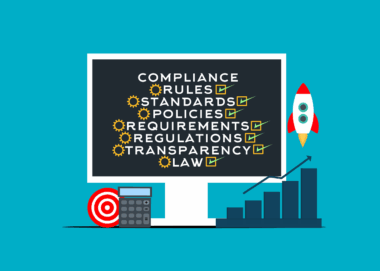
The regulatory environment surrounding corporate governance emphasizes transparency and ethical conduct, shaping investor perceptions. Regulatory agencies enforce rules that promote disclosure of pertinent governance information, thus addressing potential gaps that could mislead investors. Compliance with regulations signals a company’s commitment to ethical governance and enhances competitiveness in the market. Regulatory frameworks not only govern financial disclosures but also establish guidelines for ethical behaviors and corporate responsibility measures. As a result, investors gain critical insights into the operational integrity of businesses, especially when international regulations are involved. These regulations often extend the principle of accountability beyond mere compliance to encompass comprehensive governance structures. Companies striving for compliance present information related to their governance practices, conflict resolutions, and executive compensation clearly, promoting trust among investor communities. Furthermore, robust regulatory frameworks compel organizations to engage in continuous improvements of their governance practices, leading to a culture of best practices being adopted across industries. As a direct consequence of effective regulations, corporations that observe governance norms tend to attract long-term investments, reinforcing that transparency is vital to achieving sustainable growth and protecting stakeholder interests.
Additionally, companies aiming to enhance governance transparency often employ technology to streamline their disclosure processes. Technologies such as blockchain and artificial intelligence (AI) facilitate efficient and accurate reporting by automating data collection and analysis. This technological shift enables companies to deliver real-time updates regarding their governance practices to investors, thereby strengthening the trust relationship. Enhanced data visibility translates into reduced information asymmetry, allowing investors to make more informed decisions. Technology not only fosters transparency but also bolsters compliance with ever-evolving regulations. Companies can more easily track their adherence to regulatory standards, ultimately minimizing the risk of non-compliance penalties. Investors actively seek firms that leverage technology to enhance their governance structures, as it reflects a proactive approach toward management accountability. Furthermore, engaging digital platforms allows for direct communication between companies and their investors, enriching dialogue on governance matters. As digital transformation continues to reshape industries, businesses that adopt these innovations will likely lead the way in establishing higher standards of transparency and ethical practices. In turn, this places them in a favorable position to inspire investor confidence in an increasingly scrutinized economic landscape.
Stakeholder Engagement and Trust-Building
Effective stakeholder engagement is essential for establishing trust in corporate governance practices. Companies that actively engage with their investors demonstrate a commitment to transparency by fostering open dialogues and encouraging feedback. Through regular communication, organizations can provide updates on governance policies, ethical practices, and corporate performance. By soliciting input from stakeholders, firms strengthen their governance structures and align their strategies with investor expectations. Incorporating stakeholder perspectives into governance practices leads to informed decision-making and community-oriented policies. Engaging with stakeholders through forums, surveys, or meetings allows businesses to build trust and reflects a willingness to listen to their concerns and aspirations. Moreover, companies can leverage social media platforms to enhance their commitment to stakeholder engagement, delivering real-time updates and fostering collaborative discourse. Trust is built over time, and organizations that prioritize stakeholder involvement often experience increased loyalty and investment retention. This reinforces their reputation in the marketplace and ensures long-term sustainability. Thus, stakeholder engagement serves as a critical mechanism for promoting a culture of transparency and ethical governance practices, instilling deeper confidence among investors.
In enhancing transparency, organizations can also benefit from adopting sustainability initiatives that resonate with both investors and consumers. Sustainability has become a focal point in the modern investment landscape, as investors seek companies that prioritize social responsibility alongside financial performance. By integrating sustainability into the corporate governance framework, companies can showcase their ethical commitment while simultaneously appealing to a growing demographic of responsible investors. When companies transparently report their sustainability efforts and outcomes, they build credibility with stakeholders who value environmental and social ethics. Clear communication around sustainability goals not only strengthens trust but also enhances corporate reputation in competitive markets. Additionally, companies that focus on their corporate social responsibility (CSR) initiatives tend to notice positive effects on their governance practices as they align their objectives with broader societal values. These initiatives often create a more engaged workforce and foster loyalty among consumers, ultimately benefiting the company’s bottom line. As a result, companies embracing sustainable practices will likely enhance their governance frameworks, thereby driving better transparency and trust with their investors amidst evolving market demands.
Conclusion: Cultivating a Trustworthy Governance Environment
Ultimately, cultivating a trustworthy corporate governance environment is essential for fostering investor trust and confidence. Companies must prioritize transparency in their operations and actively engage with stakeholders regarding governance practices. Implementing rigorous regulatory compliance measures, leveraging technology, and promoting sustainability are all integral components of a holistic governance framework. By adopting these principles, organizations can effectively mitigate risks while enhancing their reputations in the eyes of investors. Furthermore, ethical governance serves as the foundation for long-term success, as companies with strong governance frameworks are better positioned to navigate challenges and achieve sustained growth. Investor trust is not built overnight; rather, it requires continuous effort, openness, and accountability on behalf of corporate leaders. As businesses face increasing scrutiny from various stakeholders, they must emphasize their commitment to ethical practices and transparent operations from a strategic viewpoint. A company’s ability to foster genuine trust ultimately impacts its market value, financial stability, and attractiveness to investors. Therefore, integrating transparency into corporate governance must become a strategic priority for firms aspiring to thrive in today’s competitive and rapidly evolving business landscape.