
Credit Scoring Models and Their Role in Financial Inclusion
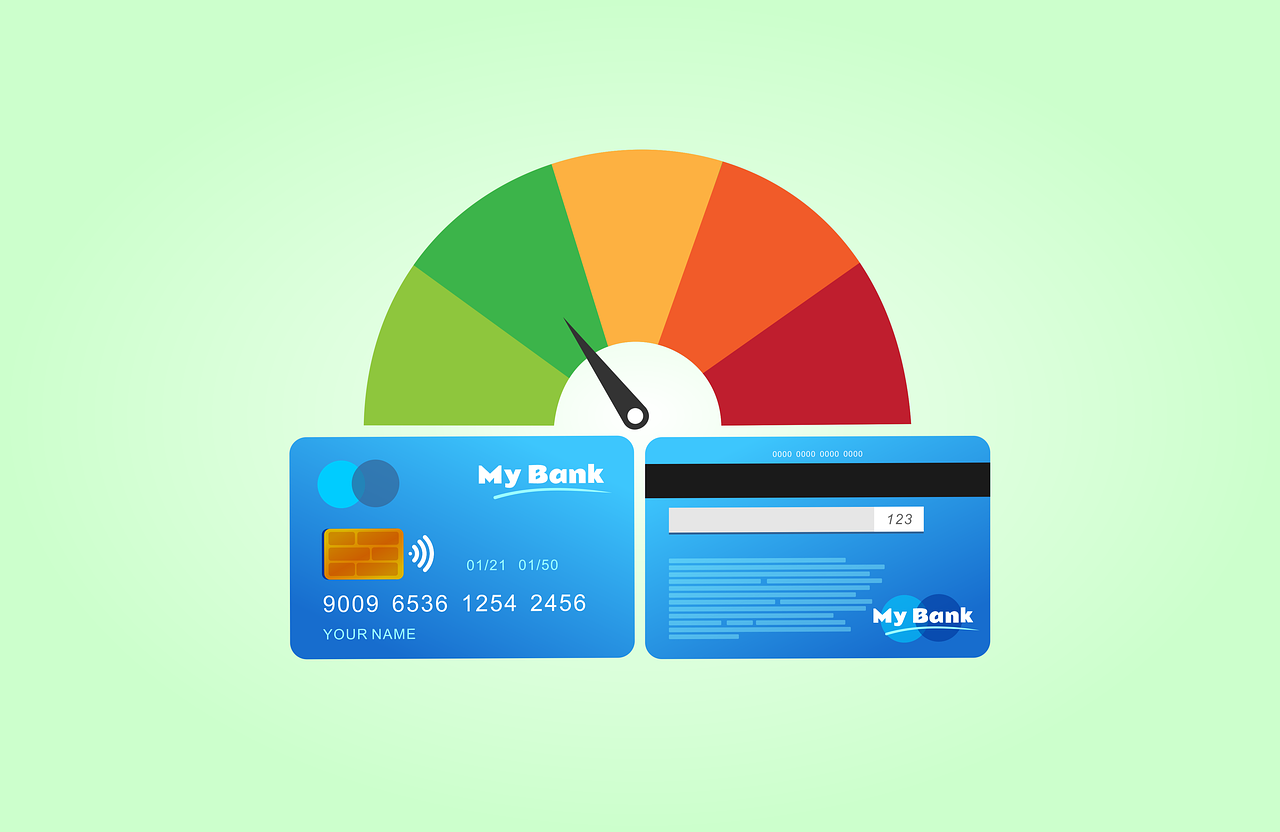
Credit scoring models are essential tools for assessing an individual’s creditworthiness. They aggregate various data points to generate a score that quantifies the risk of lending. These models typically consider factors such as payment history, credit utilization, length of credit history, types of credit in use, and new credit inquiries. The outcome is a score that lenders use to determine eligibility for loans, credit cards, and other financial products. The models vary, incorporating traditional credit data and emerging metrics like alternative data sources. This presents an opportunity for those without rich credit histories and supports financial inclusion. However, some models may inadvertently maintain inequality by relying on standard metrics that exclude certain demographics, like underbanked communities. Financial institutions must consider how nuanced scoring can empower borrowers left out by conventional methods, ensuring equitable access. Studies reveal that inclusive practices yield better repayment rates. These models provide valuable insights for both lenders and clients, balancing risk assessment with the need for social equity. The ongoing evolution in credit scoring could potentially reshape financial landscapes for diverse populations, bridging gaps previously marked by economic disparity.
The Importance of Credit Scoring Models
Credit scoring models play a significant role in the financial sector by helping lenders make informed decisions. They provide an objective framework for evaluating potential borrowers based on statistical data rather than subjective judgments. Consequently, lenders can assess the likelihood of timely repayments, which minimizes the risk of loan defaults. Furthermore, these models help streamline the loan approval process, leading to quicker funding for borrowers. In turn, this efficiency supports businesses and individuals in achieving their objectives. As such, they also promote economic stability by maintaining lender confidence. The interpretation of scores varies across different lending institutions, leading to a diverse range of approval standards. Nevertheless, credit scoring models typically affect not only loan eligibility but also the interest rates offered. Borrowers with higher scores usually qualify for lower rates, allowing them to save on borrowing expenses. This encourages responsible financial behavior as individuals aim to enhance their scores. Additionally, understanding how these models work can empower consumers. They can learn strategies for improving their credit scores, thus facilitating greater access to financial products and services aligned with their needs.
As technology advances, credit scoring models are also evolving with new methodologies. Traditional credit scoring relies heavily on historical data but incorporating alternative data is becoming increasingly popular. This includes non-traditional metrics such as utility bill payments, rent payments, or even banking transaction history. By utilizing these alternative data points, lenders can gain a more comprehensive view of a potential borrower’s financial behavior. This shift aims to provide opportunities for individuals who have limited or no credit history, particularly those from marginalized communities. Enhanced models are designed to paint a fuller picture of a borrower’s financial reliability, improving their chances of obtaining credit and increasing financial inclusion. Furthermore, these innovative models must still uphold fairness and accuracy to avoid biases. Misuse of alternative data can lead to reinforcing existing inequalities if not carefully monitored. Ongoing assessments and adaptation will be crucial to ensure that these models facilitate rather than hinder access to financial services, allowing equitable opportunities across all demographic groups. As this area continues to grow, constant evaluation and education will empower individuals regarding their options and financial health.
Challenges in Credit Scoring
While credit scoring models serve significant functions, they also face numerous challenges affecting their reliability and effectiveness. One primary concern is data privacy; consumers must trust that their information is managed responsibly, as financial information is sensitive. Furthermore, a growing population is using alternative data, but insufficient regulations and concerns about bias in algorithms can lead to unfair outcomes. This could inadvertently disadvantage marginalized groups who are overrepresented in low credit categories. Additionally, the algorithms used in scoring models are often complex, leading many borrowers to misunderstand how their scores are calculated. Education around credit scores is vital to ensure individuals can improve their financial literacy and make responsible choices. Transparency in how scores are derived must be prioritized, allowing consumers to identify areas of improvement. Moreover, traditional scoring models can overlook individuals who may not reflect creditworthiness through mere data metrics. Incorporating a holistic approach, such as considering behavioral patterns or localized economic conditions, could yield fairer assessments, fostering inclusivity in the financial sector. Recognizing these challenges offers a pathway for the development of credible and equitable credit scoring systems.
In alignment with the evolution of credit scoring, fintech companies are emerging as key players, employing technology to enhance accessibility. By leveraging big data and artificial intelligence, these companies can develop innovative credit scoring solutions that promote financial inclusion. Their methodologies may not solely focus on credit scores but include behavioral scoring, rewarding positive financial behaviors with better borrowing terms. Consequently, this approach benefits both lenders and consumers as it establishes a credit profile rooted in responsible financial habits. Fintech’s flexibility could foster personalized lending experiences that adapt to the unique circumstances of individuals, reinforcing their experience within the financial ecosystem. Collaboration between traditional financial institutions and fintechs can lead to comprehensive solutions addressing inclusion gaps. It is crucial that such partnerships prioritize ethical practices and transparent operations to build trust. Increased digital literacy will empower consumers to engage meaningfully with these platforms and leverage them to their advantage. Access to credit is vital for the growth of small businesses, education, and homeownership; therefore, fostering these relationships can create pathways to prosperity and economic stability for all. Such innovation can evolve the financial landscape, ensuring equitable access to financial opportunities.
Future Outlook for Credit Scoring Models
Looking ahead, credit scoring models are predicted to become more inclusive as consumer demands evolve and technology continues to advance. There is increasing recognition among financial institutions of the need to incorporate a wider array of data to accurately reflect individual creditworthiness. Emerging practices favor personalized approaches, shifting away from one-size-fits-all scoring systems. Innovations will likely focus on continued integration of alternative data sources, behavioral insights, and machine learning techniques, enhancing predictive accuracy without compromising fairness. Additionally, ethical considerations will drive the advancement of scoring models, with a heightened focus on mitigating bias. Understanding the social implications of financial data will become paramount, pushing stakeholders to adopt more responsible practices. Education will remain a key priority, ensuring consumers comprehend evolving credit scoring landscapes and how they can optimize their scores effectively. Moreover, as collaboration between various sectors strengthens, more tailored solutions addressing unique borrower profiles will likely emerge. The goal is to create a robust credit ecosystem that prioritizes access and fairness, contributing to a more stable financial future for diverse populations. As credit scoring models refine themselves, they hold the potential to transform lives by facilitating access to critical financial resources.
The relationship between credit scoring models and financial inclusion underscores the importance of responsible lending practices. It is essential for lenders to balance their desire to mitigate risk with the need for equitable access. When consumers with unique financial profiles are assessed fairly, it can lead to greater financial stability and consumer confidence. Additionally, financial education initiatives are vital in promoting better understanding of creditworthiness. Knowledge empowers individuals to make informed decisions about their financial paths. Furthermore, as societies increasingly recognize the benefits of inclusion, support for policies encouraging fair lending practices is crucial. Advocating for ethical data usage, credit education, and transparent assessment standards can help reshape the narrative surrounding credit scoring. Continuous dialogue among stakeholders, including consumers, lenders, and regulators, will be key to sustaining progress in this area. The financial landscape is constantly evolving, and staying proactive in addressing potential issues will enable it to adapt to changing needs. Enhancing credit scoring processes does not solely benefit the financial institutions but also contributes to the overall well-being of individuals and communities. Such efforts will ultimately support a future rooted in economic equity and opportunity, bringing comprehensive benefits to all stakeholders involved.
The landscape of credit scoring models is wide-ranging, and understanding its dynamics is essential for effective participation. These models influence access to financial products, yet their complexities may alienate potential borrowers. Deciphering how scoring works can bridge this gap, empowering consumers to take control of their financial choices. Clearing misconceptions about credit scores and promoting transparency about scoring criteria enhances trust in the system. By addressing these issues, we can promote a more inclusive economic environment and foster trust among various stakeholders. Financial services can then adapt to the needs of diverse individuals, shaping a future where access to credit is equitable. Encouragingly, innovators are developing solutions that account for various life circumstances, thus creating more opportunities for individuals and families. Maximizing financial literacy is key; education enables individuals to navigate the credit landscape confidently. Financial institutions need to invest in outreach and support initiatives that educate borrowers on improving their credit profiles. This holistic approach will help create a more robust understanding of credit systems, eliminating harmful stereotypes linked to creditworthiness. In conclusion, addressing the intersections between credit scoring and financial inclusion can pave the way for enhanced opportunities and economic growth for historically marginalized populations.