
The Future of Payroll Management: Integrating IoT Time Tracking Devices
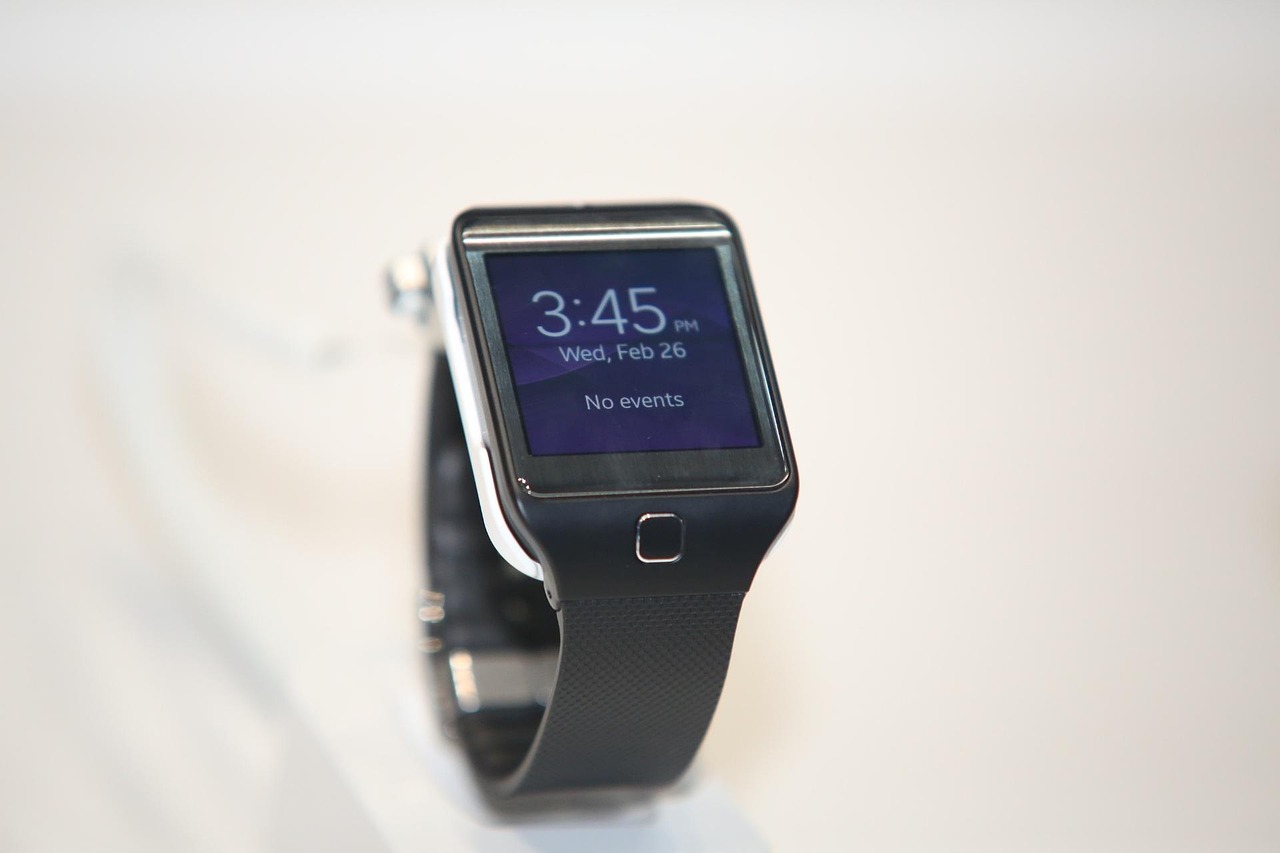
The landscape of payroll management is rapidly evolving with the advent of cutting-edge technologies, particularly the integration of Internet of Things (IoT) devices. These technologies hold the promise of revolutionizing how businesses track employee hours and manage payroll processes. By leveraging IoT time tracking devices, organizations can automate timekeeping and ensure that they accurately capture attendance. This technology can eliminate common issues associated with traditional time-tracking methods, such as inaccurate reporting and time theft. The ease of integrating these devices into existing payroll systems enables seamless data transfers, allowing organizations to save time and reduce administrative burdens. Employees equipped with wearable devices can input their hours effortlessly, thereby enhancing overall productivity. Furthermore, companies can implement instant notifications for scheduling changes or overtime requirements, positively impacting workforce management. By harnessing data analytics through IoT, employers can gain insights into employee attendance patterns, facilitating better resource allocation and improving workforce efficiency. In addition to these benefits, integrating IoT devices fosters a culture of accountability and transparency within the organization, which can enhance employee morale.
Benefits of IoT Integration in Payroll
Integrating IoT time tracking devices into payroll management offers numerous advantages that can significantly enhance efficiency in human resource operations. One of the main benefits is real-time data collection, which facilitates immediate access to employee hours worked. This instantaneous reporting can lead to timely payroll processing, reducing delays and ensuring employees are paid accurately and promptly. Moreover, businesses can minimize the risk of human errors linked to manual time entry, which often lead to payroll discrepancies. Additionally, IoT devices enable companies to implement geo-fencing features, allowing them to monitor where work is performed and ensuring compliance with labor regulations. This feature is particularly valuable for organizations with remote or field workers, as it ensures that time tracking is systematically safeguarded. The integration also opens avenues for innovative reporting and analytics capabilities, allowing HR to optimize scheduling and understand employee behavior trends. Overall, these factors contribute to an improved return on investment as companies can spend less time managing processes related to payroll and more time focusing on strategic initiatives that drive growth.
The implementation of IoT time tracking devices can significantly enhance employee satisfaction and engagement, factors that are crucial for any organization’s success. Employees are more likely to trust a system that provides accurate, real-time tracking of their hours worked. When employees feel that their time is adequately monitored, they can focus entirely on their job responsibilities without the worry of inaccuracies. Moreover, automation in tracking time frees up employees from tedious tasks of manual time entry, allowing them to devote more time to productive activities. Additionally, IoT devices can send notifications regarding time-off requests and approvals, ensuring that the communication line remains open and efficient. The transparency and accuracy that come from IoT integration build a stronger relationship between employees and management, fostering a positive work environment. It also enhances accountability as both parties can reference the same accurate data. This sense of security not only boosts morale but also decreases turnover rates, as employees are more likely to stay with an organization that values their time and provides modern resources to manage it effectively.
Challenges of IoT Time Tracking Devices
While the benefits of integrating IoT time tracking devices into payroll management are numerous, organizations must also navigate potential challenges associated with implementation and operation. One primary concern is data privacy and security. With the collection of sensitive employee information through these devices, organizations must ensure that their systems are robust and compliant with regulations such as GDPR. Failure to adequately protect this data can lead to severe consequences, including financial penalties and reputational damage. Additionally, the initial setup costs for IoT systems can be substantial, particularly for small businesses that may have limited resources. There is also a learning curve associated with the adoption of new technology among employees and management alike. Resistance to change can hinder the effectiveness of implementation unless employees receive thorough training and support. Maintenance and support are additional considerations, as IoT devices require regular updates and may also experience technical issues that need immediate attention. Organizations must weigh these challenges against the benefits to determine the best approach for integration.
To successfully navigate the challenges associated with the integration of IoT time tracking devices in payroll management, conducting thorough research and planning is paramount. Organizations must start by assessing their existing payroll systems to identify compatibility issues, ensuring seamless integration with new IoT solutions. Engaging with technology vendors can provide valuable insights into which devices best fit specific organizational needs and budget constraints. Furthermore, organizations should implement a pilot program, deploying the technology in phases before a full-scale implementation. This approach allows for the identification of unforeseen issues and provides opportunities for user feedback. Clear communication regarding the benefits of the new system and ongoing training can significantly enhance employee buy-in and ease any resistance to change. Establishing policies around data security and privacy will also help reassure employees about how their information is handled. Collaborating with IT professionals can aid in addressing maintenance and support needs effectively. These proactive measures are essential for fostering a successful transition and maximizing the long-term advantages of IoT integration in payroll management.
Future Trends in Payroll Management
The future of payroll management is likely to be shaped significantly by innovations and advancements in technology, particularly through the use of IoT devices. Automation will continue to rise, leading to more streamlined processes across payroll departments. For example, incorporating machine learning algorithms alongside IoT data can lead to predictive analytics, enabling companies to forecast workforce needs based on historical data trends. This predictive capability helps organizations manage labor costs effectively while ensuring that staffing levels align with operational demands. Furthermore, we can expect the evolution of real-time payroll systems, where employees will have access to instantly calculate their earnings based on hours tracked, taking flexibility to a new level. Such advancements will facilitate real-time adjustments for overtime or shift changes. Additionally, integrating artificial intelligence with IoT devices can help in recognizing patterns and enhancing compliance with labor regulations, increasing the accuracy of payroll processing. As a result, payroll management will evolve into a far more strategic function, allowing organizations to transform payroll professionals into strategic business partners.
In summary, the integration of IoT time tracking devices within payroll management is not just a trend; it is a pivotal development that is set to reshape the future of human resources. The transition offers numerous benefits including increased efficiency, reduced errors, enhanced employee satisfaction, and data-driven insights. However, addressing challenges like data security and employee resistance is crucial for effective implementation. Moving forward, organizations that embrace these technologies will likely gain a competitive edge in the market. With continuous advancement in technology, businesses that remain agile and adaptive to these changes will be able to optimize their payroll processes while ensuring employee needs are met. As companies invest in IoT solutions, learning and adapting to new systems will become a fundamental aspect of workforce management. By harnessing the benefits of IoT, payroll management can become a streamlined and proactive function, aligning closely with overall business goals. This transformation not only enhances operational efficiency but also fosters a positive workplace culture, making organizations more attractive to current and prospective employees.