
Bankruptcy Timeline: What Happens to Your Credit Score at Each Stage
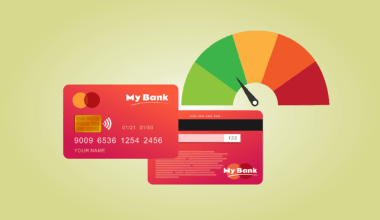
When you consider filing for bankruptcy, one of your biggest concerns might be the impact on your credit score. Initially, before you file, your credit report may showcase signs of financial distress, such as late payments or high credit utilization, which can already lower your score. The moment you officially file for bankruptcy, this marks a pivotal moment in the process and will be recorded on your credit report. This event typically causes an immediate drop in your credit score, reflecting the credit bureaus’ assessment of your financial behavior. While how much your score drops can vary based on overall financial history, these initial stages set a challenging tone. Typically, individuals may see a decline of anywhere from 130 to 240 points, depending on several variables. If you have a high score, the drop might be less severe compared to someone with a lower score. It’s essential to prepare for dealing with this initial stage, as it can affect future credit opportunities significantly.
Post-filing, after your bankruptcy case has been established, the chain of events continues to evolve. A bankruptcy filing generally stays on your credit report for seven to ten years, depending on the type of bankruptcy you file. During this period, your credit score is likely to remain low as creditors and lenders may view you as a higher risk. It’s crucial to understand that although your financial situation appears dire at this point, there are constructive steps to mitigate the damage done to your credit score. For instance, beginning to rebuild credit immediately can positively influence how lenders perceive you over time. Adding secured credit cards or credit builder loans to your financial portfolio can help. Maintaining timely payments on these credit devices is critical. The goal here is to demonstrate responsibility and a commitment toward rectifying past financial missteps, which will reflect better on your credit report and help to alleviate the negative implications of bankruptcy over time.
Rebuilding After Bankruptcy
As the months pass after filing for bankruptcy, taking proactive measures is pivotal for rebuilding your credit score. Access to new credit may still pose challenges due to previous bankruptcy notations on your report; however, it is important to approach rebuilding with optimism and a strategic plan. Start small and gradually increase your credit line as your financial stability improves. It’s vital to keep credit utilization low—a common recommendation is to not exceed 30% of your available credit limit. Paying bills on time is crucial for re-establishing a solid payment history. Even regular utility payments can help demonstrate your reliability. Monitoring your credit report for errors that might further derail progress is equally essential. Taking a good look at your report ensures you can dispute inaccuracies that undoubtedly reduce your credit score further. Each positive step taken during this rebuilding phase contributes to improving your creditworthiness and can lead to better financing opportunities down the line.
Two years after filing, if you have actively taken steps to improve your financial situation, you may start noticing positive fluctuations in your credit score. Your score should improve as the impact of bankruptcy begins to diminish. By now, any federal bankruptcy filings will begin to weigh less heavily on your credit score calculations. On average, individuals report an easier time securing credit lines after a couple of years post-bankruptcy. Having manageable debt, healthy credit habits, and a consistent payment history will significantly aid you in this phase. Moreover, the ability to obtain new credit means that you begin to reunite with financial opportunities previously thought unreachable. In this stage, adequately balancing your renewed credit with sound financial practices creates a space for increased credit opportunities. It may take diligence and perseverance, but consistent efforts lead to relieving the bankruptcy burden and can contribute to a significantly improved credit score over time.
Long-Term Effects of Bankruptcy
After several years have passed since the formal declaration of bankruptcy, the long-term effects on your credit score gradually tend to lessen. In fact, as previously mentioned, while the bankruptcy remains on your credit report, it begins to have a diminished role in affecting your credit score after the immediate aftermath. Most individuals notice that their credit profile evolves towards a more positive outlook, particularly if responsible credit management practices have been maintained throughout the period following bankruptcy. Lenders often reassess risk during this stage of rebuilding and may be more inclined to view you favorably, provided your credit history has improved. Their assessments can adjust if they see you’ve demonstrated financial responsibility, paving the way for better loan terms or credit accessibility in the future. The fact remains that patience is vital during this process, as it can take years of consistency in managing your credit to fully recover from the bankruptcy experience.
Once the bankruptcy has been discharged and recorded on your report, it’s essential to comprehend how much time has passed. Generally, individuals begin to fully recover their credit scores approximately three to five years post-discharge. If your credit score is improving, you might find offers for mortgages or other loans becoming available once more. However, keeping in mind that interest rates may be higher than average for a period helps you prepare for these financial products’ true costs. Financial education plays a vital role during this stage; understanding how to manage your finances can prevent future pitfalls. Enrolling in credit counseling or financial literacy programs can aid in this journey, providing you with vital knowledge about budgeting and spending habits. Surrounding yourself with an improved financial framework grounds you in a positive path that supports your desire for a stable financial future moving forward.
Avoiding Future Bankruptcy
In conclusion, navigating through the bankruptcy timeline greatly depends on these multifaceted stages affecting your credit score. Utilizing strategies for rebuilding credit post-bankruptcy plays a prominent role in restoring your financial health. Adopting positive financial habits and seeking professional guidance can guide you through late payments and financial pitfalls. Engaging with community resources or financial mentors can also contribute to prosperity that avoids repeating previous mistakes. Ultimately, achieving your financial goals revolves around commitment and discipline in managing credit responsibly. Avoiding heavy debt, practicing budgeting, and remaining informed about your fiduciary responsibilities significantly reduce the risk of future bankruptcies and can help secure a brighter financial future. The journey may be challenging, but with time, lessons learned can turn past experiences into invaluable insights that foster financial wellness leading to financial independence.
Be diligent in monitoring your credit report regularly and always be proactive in contacting lenders when financial strains occur, as early intervention can prevent worse scenarios. Your financial resilience is possible, and overcoming bankruptcy is achievable, provided you stay committed to improving your credit health.