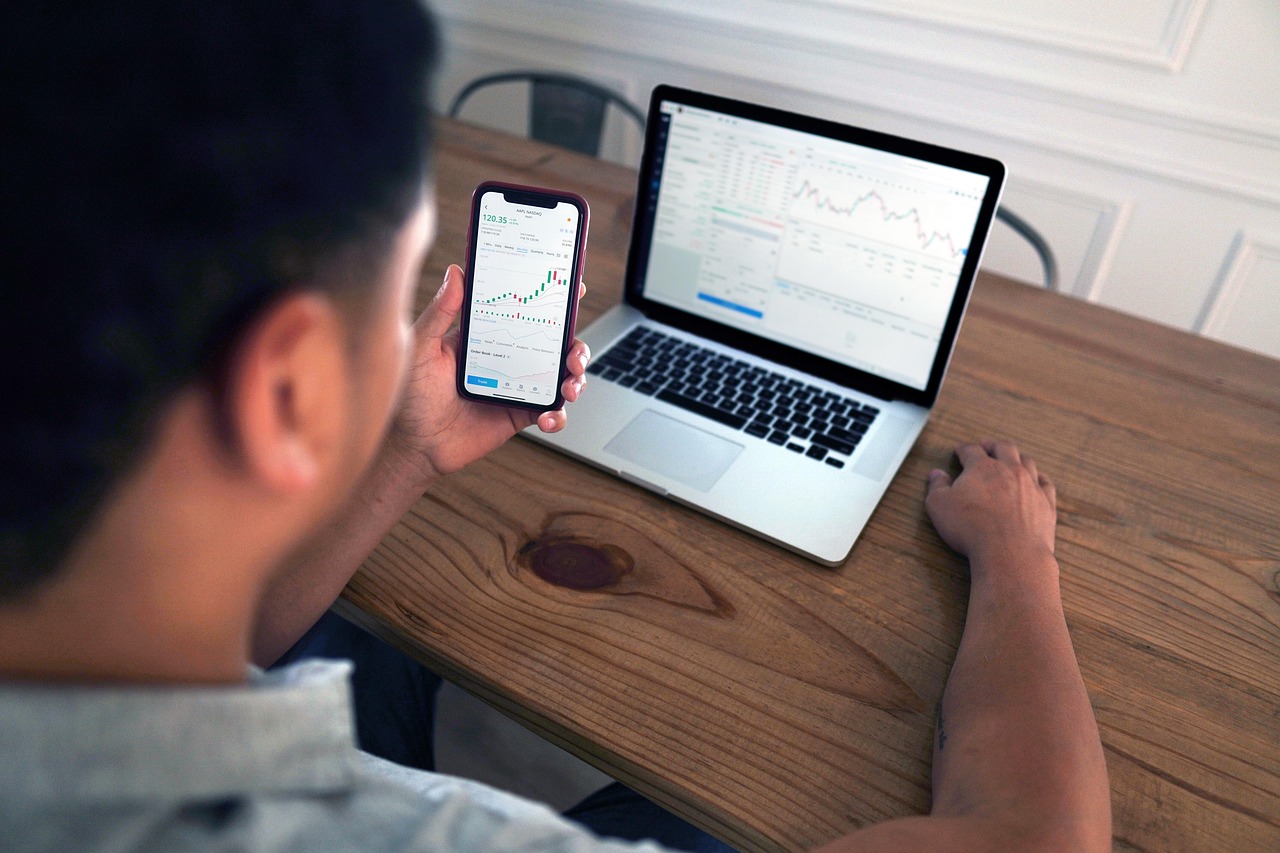

Understanding Day Trading
Day trading involves buying and selling financial assets within a single trading day. Traders engage in this practice to capitalize on small price movements, often leveraging large amounts of capital. Successful day trading requires quick decision-making, extensive research, and market knowledge. One key aspect is timing. Identifying when to enter and exit trades is crucial for profitability. This often involves analyzing charts to track prices in real-time. Many traders use a combination of technical analysis, indicators, and market news to inform their decisions. It is also essential to develop a trading strategy that suits your personal risk tolerance. Managing your emotions is equally important, as impulsive decisions can lead to significant losses. Furthermore, setting realistic profit targets and adhering strictly to your trading plan can help minimize risks. Continuous learning is vital, as market conditions change frequently, and strategies that work today may not work tomorrow. This dynamic nature of markets contributes to both the risks and the rewards associated with day trading. Traders must stay disciplined to follow their set plans, ensuring that every move is calculated rather than reactive. Always remember, patience is key in making successful day trades.
Techniques for Timing Day Trades
When it comes to timing, traders should pay attention to several techniques that can enhance their performance. First, using moving averages can help identify trends in stock movements. Traders commonly apply short-term moving averages, such as the 5 or 10-day ones, to fine-tune their entry and exit points. Second, the Relative Strength Index (RSI) stocks incorporates momentum into decision-making. An RSI above 70 might indicate that a stock is overbought, while below 30 suggests it is oversold. Third, using volume indicators can reveal the strength behind a price move. High volume on a breakout signal indicates strong interest, making it a reliable entry point. Fourth, implementing pre-market or post-market analysis helps traders gauge potential price movement before the day opens or after it closes. This information can provide insight into how stocks may open the next trading day. Additionally, traders should follow key economic reports like employment numbers or inflation data, given that they often have market-moving impacts. Incorporating all these techniques into a cohesive trading strategy can improve chances of successful trades and yield higher returns over time.
Another vital practice for day traders is to establish a strict risk management strategy. Knowing how much you are willing to lose on each trade helps to protect your capital. Many seasoned traders recommend risking only 1-2% of your total trading account on a single trade. This helps you endure losing streaks without severely impacting your account. Additionally, implementing stop-loss orders can automatically limit your losses in volatile markets. Setting a take-profit order is equally crucial; it allows you to lock in profits during favorable movements without second-guessing your exit. Traders should also analyze their open positions throughout the trading day. Regularly evaluating your trades can provide insight into what works and what doesn’t. Adjusting risk-reward ratios makes trades more favorable over time, enhancing overall success. Adopting such discipline within your trading system not only builds confidence but also fosters a positive trading mindset. In many cases, beginners overlook the importance of setting limits beforehand, which can lead to emotional trading. Emotions often cloud judgment, causing traders to deviate from their strategies. Establishing a clear plan minimizes these pitfalls and promotes a systematic trading approach.
Monitoring Market Indicators
Monitoring various market indicators is crucial for a day trader aiming for success. The first step is to stay informed about market sentiment by analyzing news headlines and economic updates. Traders who understand how global events affect market conditions can position themselves ahead of moves. For instance, news about interest rate changes can impact currency and stock valuations dramatically. Additionally, understanding sector performance is vital. An asset may perform differently based on its sector dynamics, so recognizing trends across similar stocks could offer valuable insights. Utilizing advanced charting platforms can also significantly enhance your trading strategy. Those charts provide numerous technical indicators to signal potential buy or sell opportunities. Familiarizing yourself with tools like Fibonacci retracement levels helps outline possible areas of support and resistance. Engaging in social trading platforms can provide fresh perspectives and ideas from fellow traders. Platforms often allow sharing insights, strategies, and firsthand experiences. Ultimately, the more informed a trader is, the increased likelihood that they will make precise trades. Knowledge is an invaluable asset in day trading, and incorporating information from diverse sources can significantly improve trading outcomes for both novice and experienced traders.
Practicing disciplined entry and exit strategies can greatly enhance your day trading outcomes. Many successful traders utilize predefined entry and exit points based on technical indicators and market analysis. Prior to executing any trade, a trader should identify these levels to avoid emotional reactions during trading hours. Another popular strategy involves utilizing breakout trading techniques, where traders enter a position when a stock price breaks above resistance or below support. This indicates momentum and can lead to substantial gains if timed correctly. Conversely, taking profits at predefined targets ensures that traders do not hold onto losing trades longer than necessary. More often than not, emotional attachments to trades lead to poor decision-making and can amplify losses. Adopting various exit strategies based on market movements further allows traders to align with market dynamics effectively. Finally, regular reflection on completed trades can highlight what strategies worked or failed in the past. Learning from mistakes is essential for growth in any trading strategy. Hence, continuously refining your approach minimizes risks and heightens the chances of long-term success in the fast-paced landscape of day trading.
The Importance of Continuous Learning
In a rapidly changing market environment, day traders must emphasize continuous learning. Markets are influenced by numerous factors, including economic news, technological advancements, and geopolitical events. Staying updated with these changes can provide a competitive advantage. Enrolling in trading courses or participating in workshops can provide structured education. Regularly reading books, attending webinars, and engaging with industry experts can deepen traders’ understanding of market fundamentals. Furthermore, trading simulators offer valuable practice without the fear of financial loss. Testing different strategies in simulated environments allows traders to find what works best for them. Networking with experienced traders can also foster learning. Joining trading communities online allows for the exchange of insights, strategies, and lessons learned from past mistakes. Additionally, maintaining a trading journal encourages self-reflection and enhances discipline. Reflecting on each trade—whether successful or not—provides critical insights into decision-making processes. Consequently, ongoing education and self-evaluation set the foundation for consistent profitability. Adaptability is crucial for surviving market fluctuations, and those who invest time in learning are more likely to thrive in this demanding landscape.
Finally, developing a well-defined trading plan is the cornerstone of effective day trading. A trading plan outlines your trading goals, risk management strategies, and analytical methods. Including specific criteria for entering and exiting trades ensures that you remain disciplined even during market fluctuations. Having a pre-established plan minimizes impulsive decisions and fosters consistency. Traders should regularly review and adjust their plans based on performance and changing market dynamics. Additionally, setting aside dedicated time for trading helps to manage distractions and enhance concentration. Ideally, focus solely on trading during active hours when the market is most volatile, as this is when opportunities arise. Furthermore, incorporating financial goals within your trading plan creates motivation and accountability. Regular assessments of your trading performance can offer perspective on what needs improvement. Equally important is acknowledging and celebrating your successes to maintain a positive mindset. This reflective practice can motivate you to stay the course with your trading plan. Ultimately, a structured approach to trading significantly enhances your potential for profitability while minimizing emotional distress in the high-stakes world of day trading.
Many traders tend to overlook the psychological aspects of trading, but emotional resilience is critical. Day trading can be mentally exhausting due to the fast-paced nature of the market. Developing a strong psychological foundation allows for clearer decision-making. Stress can lead to impulsive trading, causing traders to deviate from their disciplined strategies. Techniques such as mindfulness or meditation can help maintain focus and reduce anxiety. Setting clear and achievable goals can also enhance motivation and provide clarity during the trading process. Monitoring your performance over time helps identify emotional triggers and patterns in trading behavior. Keeping a journal that includes reflections on your emotions during trades can reveal valuable insights, helping you recognize when to step back and re-evaluate. Additionally, practicing patience is essential; sometimes holding back is smarter than entering a trade impulsively. Recognizing that losses are part of the trading process can lead to healthier perspectives. Embracing a growth mindset helps maintain motivation and creates an environment for learning. Lastly, surrounding yourself with supportive communities of fellow traders who share insights and overcoming challenges can be beneficial. Building emotional resilience takes time and intentional effort, ultimately enhancing your trading experience and outcomes.